Since the introduction of Bangladesh’s new primary dealer policy, returns on Treasury Bills (T-Bills) have shown a notable upward trend. The revised framework is designed to invigorate both the primary and secondary government securities markets, while shaping investor bidding behaviour and overall investment activity.
According to the latest auction results, the effective return on 91-day T-Bills rose from 10.05% to 10.40%. Similarly, the 182-day T-Bill return increased from 10.23% to 10.34%, while the 364-day T-Bill yield climbed from 10.34% to 10.49%. Through this auction, the government successfully raised BDT 75 billion, providing partial support to meet the national budget deficit.
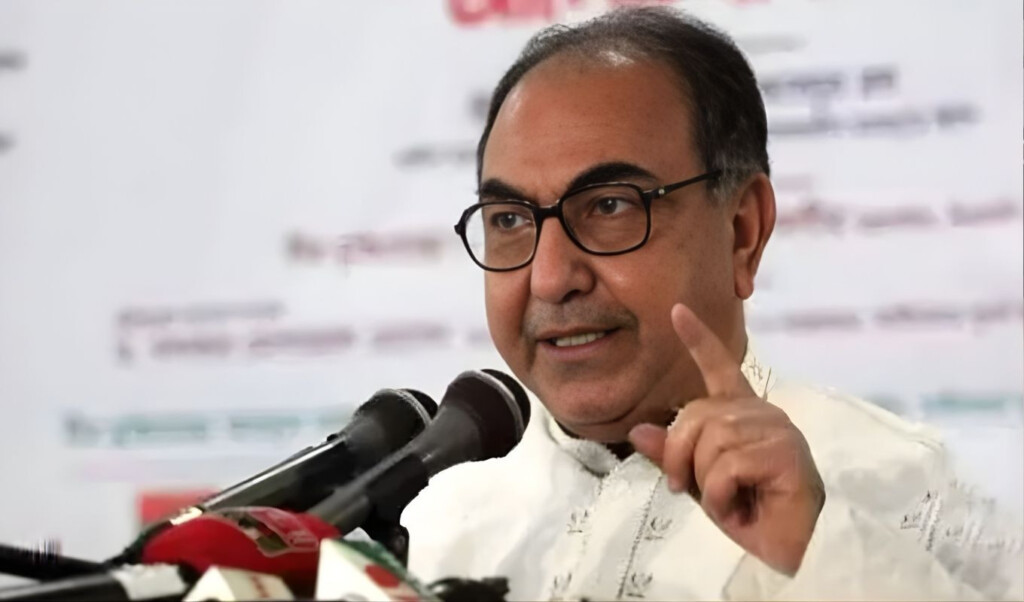
A senior official from Bangladesh Bank explained, “Under the new primary dealer framework, only designated primary dealer banks are eligible to participate in auctions. This restriction has exerted upward pressure on T-Bill returns.”
Earlier, the central bank had selected 24 primary dealers to participate in government securities operations. These institutions play a pivotal role in enhancing liquidity and efficiency in the secondary market, stabilising market conditions, and facilitating the government’s debt management process.
At present, the government regularly issues four types of short-term T-Bills. In addition, five government bonds with maturities ranging from two to twenty years are actively traded, providing banks and institutional investors with longer-term investment alternatives.
Recent T-Bill Auction Results
| T-Bill Type | Previous Return | Current Return | Maturity |
|---|---|---|---|
| 91 days | 10.05% | 10.40% | 3 months |
| 182 days | 10.23% | 10.34% | 6 months |
| 364 days | 10.34% | 10.49% | 12 months |
Market analysts suggest that the new primary dealer structure encourages competitive bidding, improves transparency in auctions, and enhances the pricing mechanism for government securities. Observers are closely monitoring whether this upward trend will continue in subsequent auctions.
Compared with last year, this recent rise highlights how stricter participation rules and active debt management can strongly influence the market. Consequently, Bangladesh’s T-Bill market is expected to become increasingly dynamic and active in the coming months, signalling clearer short- and long-term investment opportunities for investors.