In a watershed moment for the crisis-stricken South American nation, the Venezuelan authorities have released at least thirty political prisoners. This significant move follows a period of seismic political upheaval that saw the detention of President Nicolás Maduro by United States special forces and the subsequent installation of Delcy Rodríguez as the country’s interim president.
The release has been confirmed by prominent local human rights monitoring groups, who view this as a potential olive branch from the new administration. The prisoner release programme is widely interpreted as an initial step towards restoring domestic political stability and repairing Venezuela’s fractured international reputation.
High-Profile Releases
Among those granted their freedom is Javier Tarazona, one of the nation’s most respected human rights defenders. Tarazona, the director of Fundaredes—an organisation dedicated to exposing the activities of armed groups along Venezuela’s borders—had been languishing in custody since July 2021. His release, after nearly five years of incarceration, is being hailed as a monumental victory for civil society.
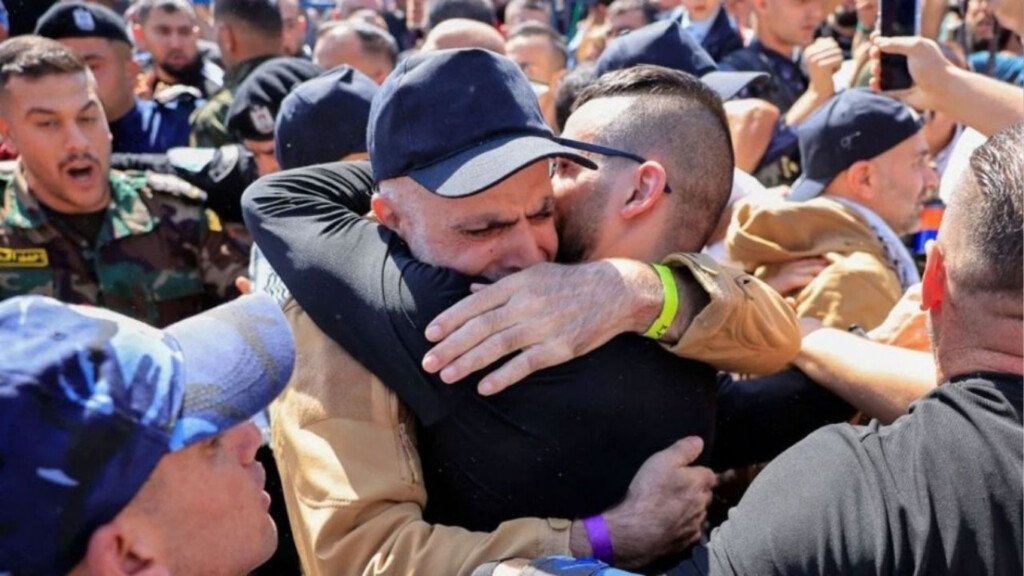
Alfredo Romero, head of the human rights NGO Foro Penal, confirmed that as of Sunday afternoon, thirty individuals had been verified as released from various detention centres across the country. As the news spread, emotional scenes unfolded at prison gates, where families and activists gathered in tears to welcome their loved ones back into the fold of society.
A Strategic Pivot in Governance
The interim government, led by Rodríguez, appears to be using these releases to signal a departure from the previous regime’s hardline tactics. Political analysts suggest that this strategy is essential for several reasons:
Economic Recovery: Stabilising the political climate is a prerequisite for renegotiating the nation’s crippled economy.
Sanctions Relief: The release of high-profile detainees is a key demand from Washington and Brussels for the lifting of crippling international sanctions.
Legitimacy: Moving towards a more democratic framework helps the interim administration gain recognition from neighbouring Latin American states.
Summary of Recent Political Shifts in Venezuela
| Key Event | Details | Impact |
|---|---|---|
| Leadership Change | Removal of Nicolás Maduro; Delcy Rodríguez appointed Interim President. | Shift towards potential democratic transition. |
| Prisoner Release | 30 political detainees freed, including Javier Tarazona. | Easing of domestic tensions and international pressure. |
| Human Rights Status | Hundreds still remain in custody according to Foro Penal. | Continued advocacy required for full judicial reform. |
| International Reaction | United States and regional neighbours welcome the move. | Potential for renewed diplomatic and trade talks. |
The Path Ahead
Despite the celebrations, the humanitarian community remains cautious. Activists have pointed out that while thirty individuals have been freed, hundreds of “ghost prisoners” and political dissenters remain behind bars. The demand from the international community and domestic opposition remains clear: the unconditional release of all remaining political prisoners as a foundational step toward genuine justice and free elections.
For the interim government, the challenge lies in balancing the demands of the military—which remains a potent force—with the need to satisfy international observers. Whether this release marks a true turning point or a mere tactical pause remains to be seen.