Friday, 21st August 2026

Khabor Wala Desk
Published: 5th February 2026, 2:13 PM
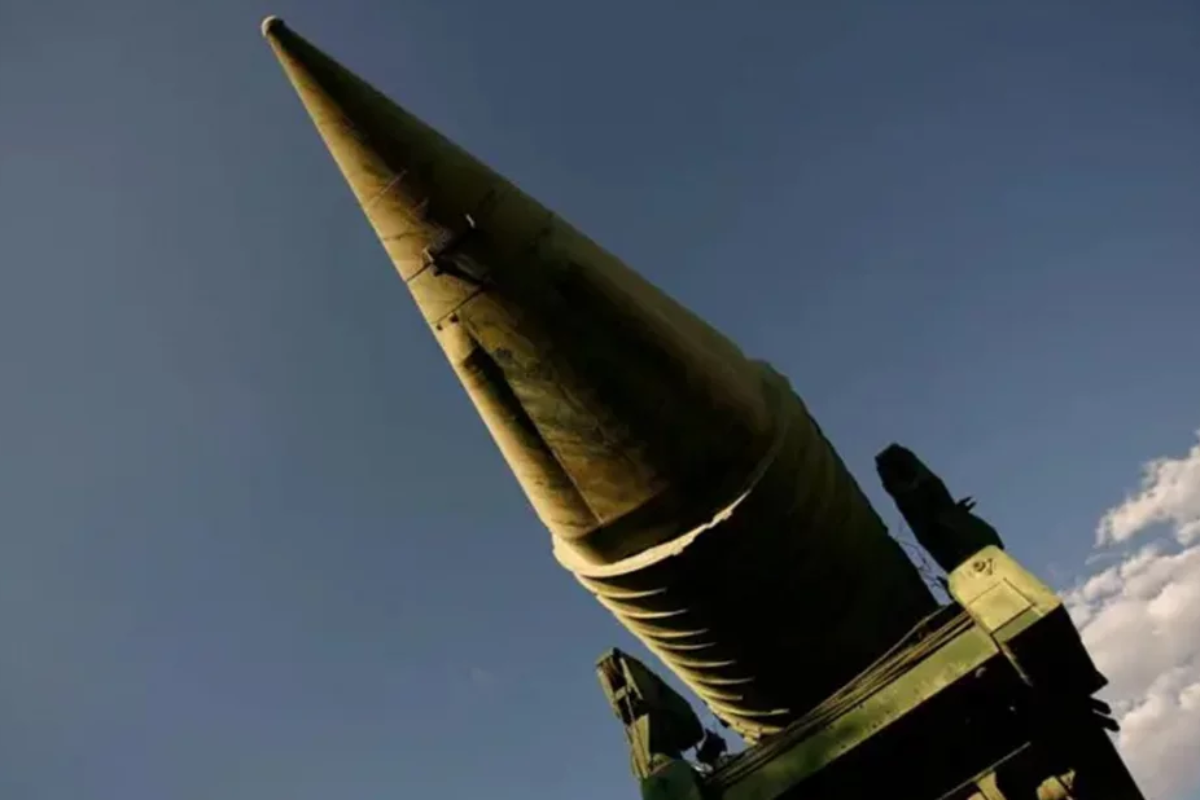
The latest arms control agreement between the United States and Russia officially expired on Thursday, 5 February, removing decades-old restrictions on the deployment of strategic nuclear warheads by the two superpowers. The termination of the treaty, known as the New START agreement, has raised urgent concerns over a potential global arms race, according to reports from AFP.
The New START treaty, signed in 2010, had placed legally binding limits on the number of deployed strategic nuclear weapons and delivery systems, while also ensuring transparency through verification inspections. However, with the treaty’s expiration, these restrictions are no longer enforceable. Russian President Vladimir Putin had proposed extending the treaty’s limits for one year, but US President Donald Trump declined to accept the offer.
United Nations Secretary-General António Guterres described the expiration as a “terrible moment” for international peace and security. He called on both nations to immediately return to the negotiating table.
In a statement, Guterres noted that the treaty ended at midnight Greenwich Mean Time (7 PM in New York). He warned, “For the first time in more than half a century, we face a world where there are no binding limits on the strategic nuclear arsenals of Russia and the United States.”
Guterres added that the dissolution of decades of arms control agreements could not have come at a worse time. “The risk of nuclear weapons use is now at its highest in decades,” he said, citing earlier indications from the Ukraine conflict that non-strategic nuclear weapons might be considered for use.
Meanwhile, Russia’s Ministry of Foreign Affairs stated that both countries are no longer bound by treaty obligations or parallel declarations. A ministry spokesperson said, “Russia intends to act responsibly and prudently. However, in the face of threats to national security, we are prepared to take decisive countermeasures.”
Analysts warn that the treaty’s lapse could trigger a new phase of arms competition, including the expansion of strategic missile systems and increased deployment of advanced warheads. International observers have stressed the need for urgent negotiations to prevent a destabilising nuclear arms escalation.
The following table summarises the strategic nuclear limitations under the New START agreement before its expiry:
| Country | Maximum Deployed Strategic Warheads | Maximum Deployed Delivery Systems (ICBMs, SLBMs, Bombers) | Treaty Expiry Date |
|---|---|---|---|
| United States | 1,550 | 700 | 5 February 2026 |
| Russia | 1,550 | 700 | 5 February 2026 |
As the world navigates this new reality, attention is focused on whether Washington and Moscow will initiate talks to establish new arms control mechanisms, or if the absence of restrictions will further heighten the nuclear threat on a global scale.


Comments