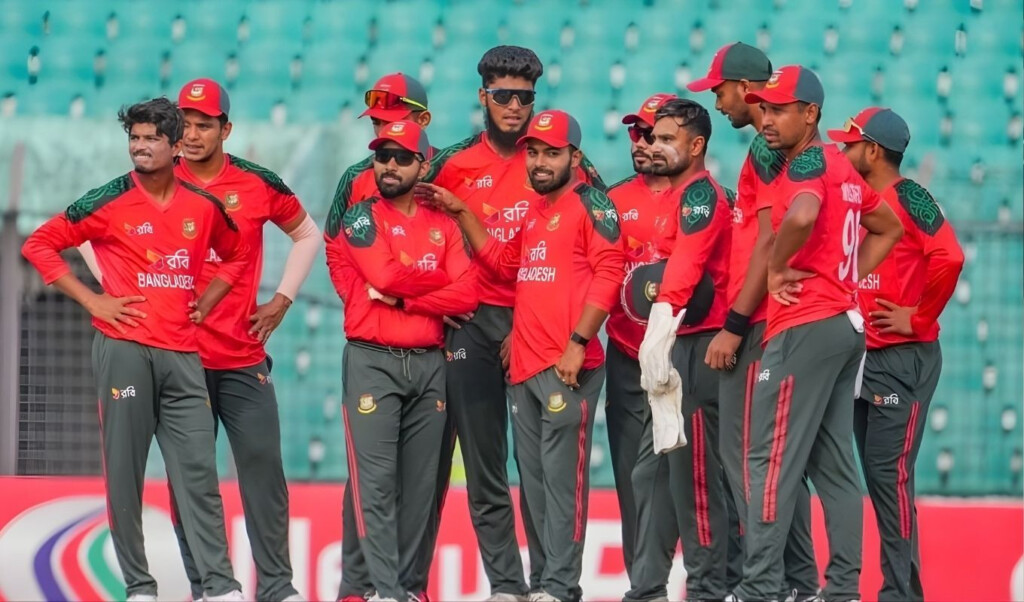
For the first time since the inaugural ICC Men’s T20 World Cup in 2007, Bangladesh will be absent from the game’s shortest global showpiece. From 2007 through to 2024, the Tigers featured in every edition of the tournament, making their exclusion from the tenth edition—beginning today in India and Sri Lanka—a historic and controversial break in continuity.
Over its 19-year journey, the T20 World Cup has evolved from a festival of bat-and-ball brilliance into an arena increasingly shaped by off-field politics. What was once a celebration of cricketing flair is now, critics argue, overshadowed by power struggles and diplomatic tensions. The current tournament, carrying a prize purse reportedly worth Tk 160 crore, has become emblematic of that shift.
Bangladesh’s absence stems from a chain of political and security disputes. Following pressure from hardline groups in India that reportedly influenced the Indian Premier League to drop Mustafizur Rahman, Bangladesh cited security concerns and declined to travel to India for the World Cup. The Bangladesh Cricket Board (BCB) formally requested that all of the team’s matches be relocated to Sri Lanka. The International Cricket Council (ICC) rejected the request and, instead, removed Bangladesh from the competition, replacing them with Scotland—an outcome that has fuelled allegations of injustice and bias within global cricket governance.
The fallout has been significant. In a rare act of solidarity, Pakistan announced it would boycott its high-profile group-stage match against India on 15 February in protest at Bangladesh’s exclusion. That threat alone reportedly jeopardises potential revenues estimated at over Tk 6,000 crore, underlining how central the India–Pakistan fixture is to the sport’s commercial ecosystem. The ICC has since been scrambling to avert such losses, aware that a World Cup without cricket’s fiercest rivalry would lose much of its global appeal.
Bangladesh’s firm stance has been widely viewed at home as a matter of national dignity. Many commentators argue that challenging an ICC perceived as overly aligned with the Board of Control for Cricket in India (BCCI) was unavoidable, even at the cost of tournament participation.
Despite their absence on the field, Bangladesh’s presence will still be felt. Two Bangladeshi umpires—Sharfuddoula Ibne Shahid and Gazi Sohel—will officiate, while familiar voice Athar Ali Khan will feature in the commentary box. Domestically, the BCB has also launched the “Indomitable Bangladesh T20 Cup”, featuring three teams—Dhumketu, Durbaar and Durdanto—to keep players and fans engaged.
The 20-team World Cup opens today in Colombo with Pakistan facing the Netherlands. Three matches are scheduled on the opening day, including West Indies v Scotland in Kolkata and hosts India v the United States in Mumbai. Fifty-five matches will be played across eight venues in India and Sri Lanka.
Tournament Snapshot
| Category | Details |
|---|---|
| Total teams | 20 |
| Groups | 4 (top 2 advance) |
| Matches | 55 |
| Venues | 8 stadiums |
| Hosts | India & Sri Lanka |
| Final | 8 March (Colombo or Ahmedabad) |
Defending champions India, playing at home, are strong favourites to lift the trophy for a record third time, with England, Australia, South Africa and Pakistan also in contention. Yet, for Bangladeshi fans, this World Cup will remain bittersweet—a global celebration that feels incomplete without the Tigers’ roar.