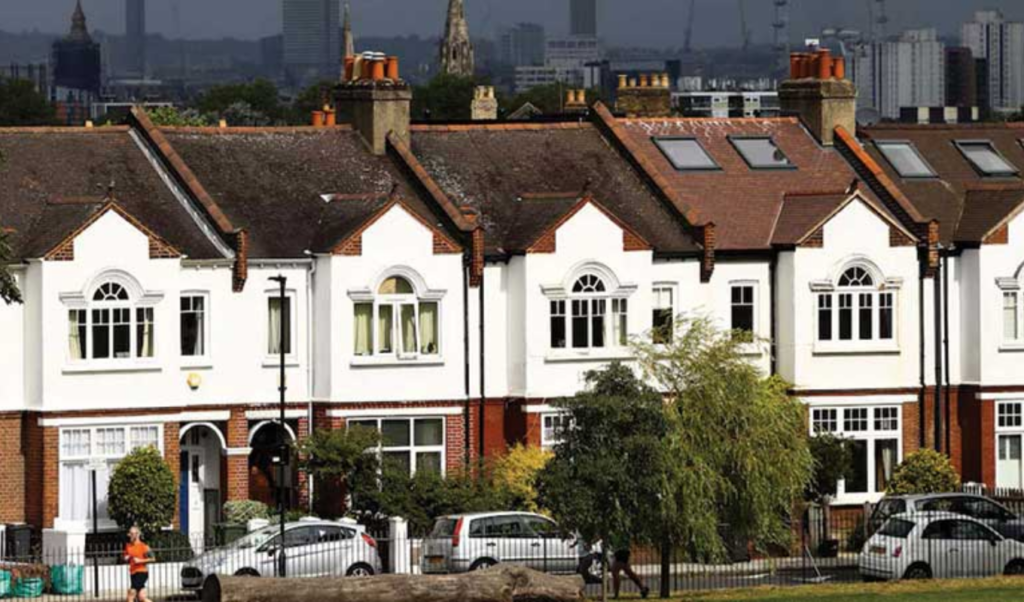
The UK housing market entered 2026 on a firmer footing, with average property prices rising sharply in January and surpassing the symbolic threshold of £300,000 for the first time. According to data from the mortgage lender Halifax, average house prices increased by 0.7 per cent month on month, marking the fastest pace of growth since November 2024. On an annual basis, prices were up 1 per cent, signalling a modest but clear rebound after a subdued end to the previous year.
Halifax noted that market activity slowed in the weeks leading up to Christmas, as is typical during the winter period. However, the new year has brought renewed momentum, underpinned by improving buyer confidence and a gradual easing of borrowing conditions. By contrast, rival lender Nationwide reported a lower average price of £270,873, reflecting methodological differences in their respective indices. Despite the divergence in headline figures, both lenders point to a market that is stabilising rather than overheating.
Amanda Bryden, Halifax’s head of mortgages, said the start of 2026 has been characterised by relative stability, with the crossing of the £300,000 mark serving as an important psychological milestone. She cautioned, however, that affordability remains a significant constraint, particularly for first-time buyers and households facing higher living costs. Halifax expects house prices to rise by between 1 and 3 per cent over the course of the year, a pace that would represent steady growth rather than a return to the rapid increases seen earlier in the decade.
Monetary policy continues to shape market dynamics. The Bank of England has held its policy rate at 3.75 per cent amid persistent inflationary pressures, yet economists widely anticipate that rates could ease in the coming months if price pressures continue to moderate. Expectations of lower mortgage rates have already begun to support buyer demand, while lenders have increased competition in fixed-rate products, improving access to credit for some households.
Price growth remains uneven across the UK. Northern Ireland recorded the strongest annual increase, followed closely by Scotland, while Wales experienced only marginal growth. Within England, the North West led regional gains, reflecting a combination of comparatively lower entry prices and resilient local labour markets.
Regional house price performance (annual change)
| Region | Annual change | Average price (£) |
|---|---|---|
| Northern Ireland | 5.9% | 217,206 |
| Scotland | 5.4% | Not specified |
| Wales | 0.5% | Not specified |
| England (North West) | Strongest in England | Not specified |
Analysts attribute the recent improvement in market sentiment to a combination of gradually rising wages and the easing of mortgage rates from their recent peaks. Over the past three years, average house prices have risen by only 5.7 per cent, or around £16,000, underscoring how subdued the market has been compared with the pandemic-era boom. Between 2020 and 2023, UK house prices surged by approximately 19 per cent, fuelled by ultra-low interest rates, changes in housing preferences, and government support measures.
Karen Noye, a mortgage specialist at the wealth management firm Quilter, expects any recovery to remain measured rather than abrupt. Even if interest rates fall further, she argues, structural affordability pressures, tighter lending standards, and elevated household costs are likely to prevent a sudden resurgence in price inflation. The outlook, therefore, points to a cautiously improving market, with gradual growth tempered by ongoing constraints on buyers’ purchasing power.