Friday, 21st August 2026

Khabor Wala Desk
Published: 9th February 2026, 9:38 AM
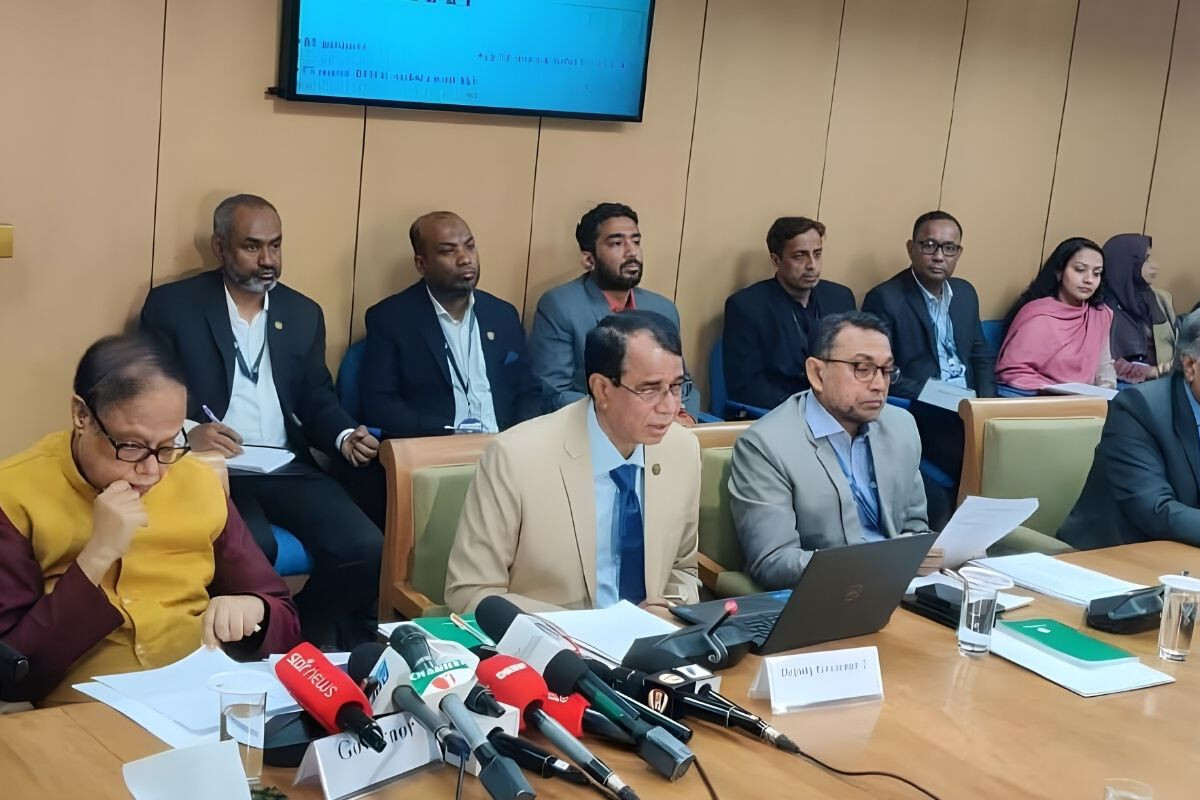
In a move aimed at controlling inflation, Bangladesh Bank has announced its monetary policy for the first half of the year without altering the policy interest rate. The central bank’s decision maintains the previous stance, signalling that interest rates will remain unchanged until inflation declines to a more manageable level.
As of January, the year-on-year headline inflation stood at 8.58 per cent, slightly up from December’s 8.29 per cent. Economists, considering factors such as the upcoming national parliamentary elections in January–February and the seasonal price pressures during March and Ramadan, do not anticipate any immediate easing of inflation in the near term. Against this backdrop, the central bank aims to stabilise prices over the next two months despite a rising inflation trend over the past three months.
Announcing the policy at the central bank on Monday, Governor Ahsan H. Mansur stated, “Our monetary policy has been successful across most indicators except inflation, which remains above our target of seven per cent. Overall, we have performed excellently, and we remain optimistic that inflation will gradually decline.”
Governor Mansur emphasised that the central bank would not reduce the policy rate at this stage. “Since one target has not been achieved, it would be inappropriate to cut the rate now. We are therefore maintaining the policy rate at 10 per cent,” he said. He added that Bangladesh’s foreign exchange reserves remain robust, bolstered by IMF support since August and increased remittance inflows, which have helped stabilise the exchange rate.
The new monetary policy retains key rates as follows:
| Rate Type | Previous Rate | New Rate |
|---|---|---|
| Policy Rate | 10% | 10% |
| Standing Lending Facility (SLF) | 11.5% | 11.5% |
| Standing Deposit Facility (SDF) | 8% | 7.5% |
| Projected Private Sector Loan Growth | 7.2% | 8.5% |
Bangladesh Bank has been pursuing a contractionary monetary policy since late 2024 to rein in inflation, which surged to double digits in 2022 when the taka depreciated sharply against the dollar. From September 2022, inflation jumped to 9.52 per cent from 7.56 per cent in August. Despite successive rate hikes, inflation peaked at 11.66 per cent in July 2024.
Following political upheaval and the formation of an interim government in August 2024, the central bank continued its tight monetary stance, gradually reducing inflation to 8.17 per cent by October 2025. However, it has risen over the past three months, reaching 8.58 per cent in January 2026.
Governor Mansur reiterated optimism, noting that “with strong reserves and improving economic indicators, inflation is expected to ease in the coming months.” Until the target of seven per cent is reached, Bangladesh Bank will maintain its cautious approach to ensure financial stability and continued economic resilience.



Comments