Thursday, 20th August 2026

Khabor Wala Desk
Published: 13th February 2026, 12:20 PM
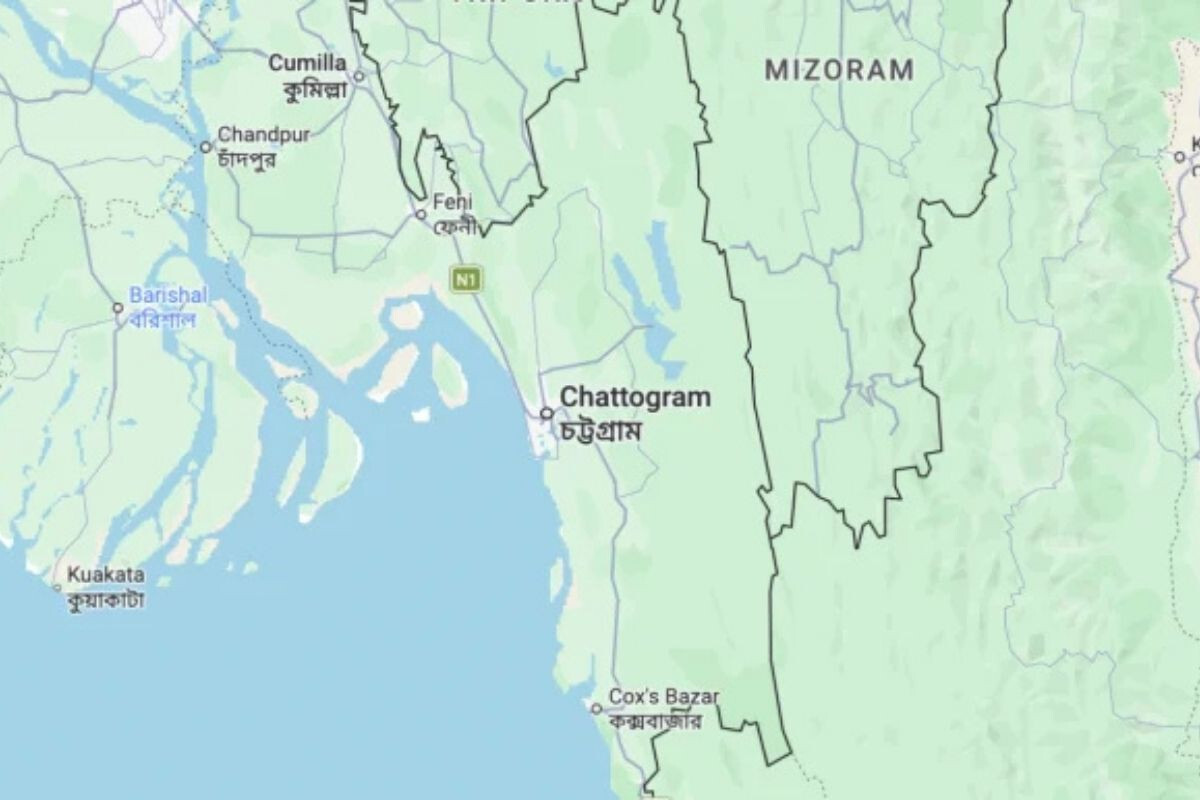
While the nationwide referendum held alongside the 13th national parliamentary elections yesterday overwhelmingly favoured the “Yes” vote, the situation was markedly different in Greater Chittagong, where six constituencies recorded decisive victories for the “No” camp. Notably, all three seats in the Chittagong Hill Tracts rejected the July Accord, casting their votes against it. Additionally, three constituencies within Chittagong district—Chittagong-8, Chittagong-12, and Chittagong-13—also saw a significant majority favouring “No.”
According to the latest unofficial figures, voter turnout and the “No” vote margins in these areas were substantial:
| Constituency | Total Votes Cast | “No” Votes | “Yes” Votes |
|---|---|---|---|
| Rangamati | 273,800 | 179,805 | 71,719 |
| Khagrachhari | 343,314 | 155,942 | 187,372* |
| Bandarban | 163,429 | 90,156 | 73,273 |
| Chittagong-8 (Boalkhali-Chandgaon) | 261,047 | 131,493 | 129,554* |
| Chittagong-12 (Patiya) | 193,493 | 126,814 | 66,679 |
| Chittagong-13 (Anwara-Karnaphuli) | 221,035 | 124,629 | 96,406 |
*Approximate “Yes” votes calculated by subtracting “No” votes from total votes cast.
The broader political landscape of Greater Chittagong saw the Bangladesh Nationalist Party (BNP) dominating parliamentary contests. Across the five districts of Chittagong, Cox’s Bazar, Bandarban, Rangamati, and Khagrachhari, BNP candidates secured victory in 21 of the 23 constituencies. The remaining two seats were won by candidates endorsed by Jamaat-e-Islami. Significantly, all six constituencies where the “No” vote prevailed elected BNP representatives to the national parliament.
Political analysts suggest that despite BNP Chairman Tarique Rahman urging supporters to back the “Yes” vote, the local BNP leadership’s grassroots campaign in favour of “No,” combined with votes from the Awami League, contributed to the unexpected outcome in these constituencies. The results indicate a complex interplay of national directives and local political strategies, highlighting the Hill Tracts and Greater Chittagong as critical zones where local sentiment diverged from the national trend.
This outcome underscores the continued influence of regional political dynamics in shaping referendum and parliamentary results, and analysts predict that the political discourse in Chittagong will remain highly contested in the coming months.c




Comments