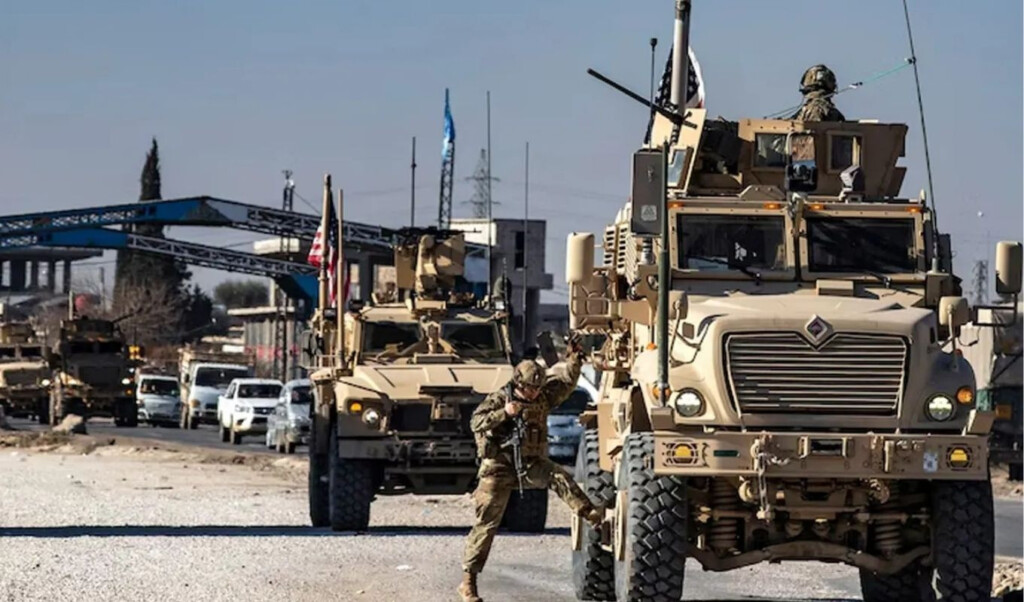
The United States has carried out a series of military strikes across Syria targeting the Islamic State of Iraq and the Levant (ISIL), in a continuation of its anti-terror operations in the region. These actions follow the death of two American soldiers and a civilian interpreter during an ISIL attack last December.
According to a report by Al Jazeera on Sunday, 15 February, the US Central Command (CENTCOM) confirmed that more than 30 ISIL targets were struck between 3 and 12 February. Precision-guided munitions were employed to destroy the terrorist group’s infrastructure and weapon stockpiles, CENTCOM stated, emphasising that the operations aim to maintain “continuous military pressure” on the remnants of the network.
Background of Recent Operations
In December, near the historic city of Palmyra, ISIL launched a deadly assault on US and Syrian forces, resulting in the deaths of:
Sergeant Edgar Brian Torres-Tover
Sergeant William Nathaniel Howard
Civilian interpreter Ayad Mansour Sakat
This attack prompted the launch of Operation Hawk Eye, under which, over the past two months, more than 50 ISIL fighters have been killed or captured. Approximately 100 infrastructure targets associated with the group have also been struck.
| Operation | Period | Targets Struck | ISIL Casualties | Notes |
|---|---|---|---|---|
| Operation Hawk Eye | Dec 2025 – Feb 2026 | ~100 | 50+ killed or captured | Response to Palmyra attack |
| Precision Strikes | 3–12 Feb 2026 | 30+ | Not disclosed | Maintains pressure on ISIL remnants |
Additional US Moves in Syria
On Friday, the United States completed the transfer of thousands of ISIL detainees from Syria to Iraq at Baghdad’s request, where they are to face judicial proceedings. The US-led coalition welcomed this move as a step toward holding ISIL fighters accountable.
Meanwhile, Syria’s Ministry of Defence announced that control of the Al-Tanf military base, located in eastern Syria, has now returned to the Syrian government. For several years, the base had been a strategic hub for US-led operations against ISIL.
Strategic Shifts in Syria
Since ISIL’s regional defeat in 2019, the US-led coalition had largely collaborated with the Kurdish-led Syrian Democratic Forces (SDF). However, Washington is increasingly engaging with Syria’s new authorities, signalling a shift away from its prior reliance on the SDF as a primary partner in anti-ISIL operations.
The recent strikes, detainee transfers, and reallocation of military bases underscore the evolving US strategy in Syria, balancing the fight against ISIL with renewed diplomatic ties to Damascus.