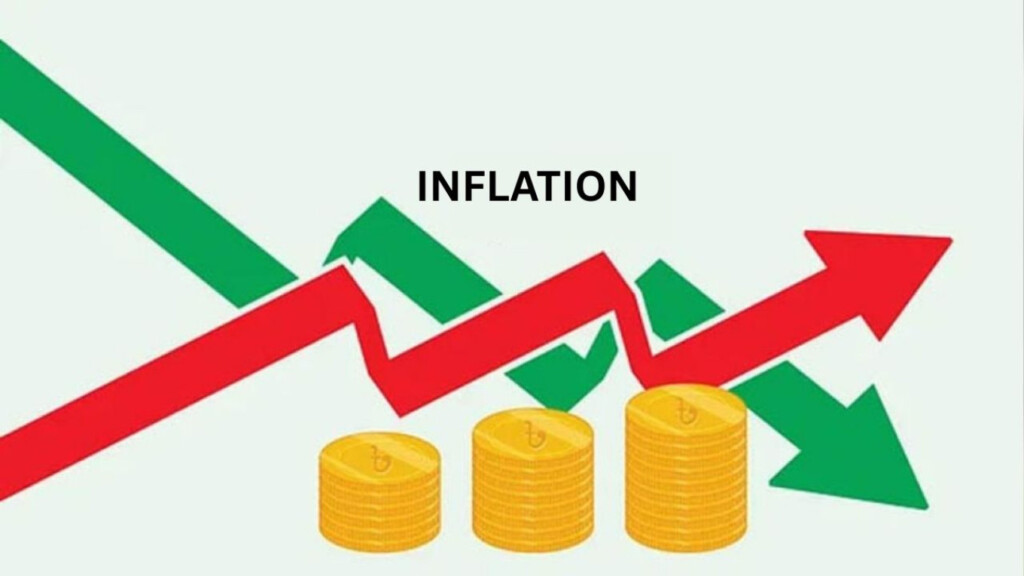
A recent research report released by the Central Bank on Sunday, 15 February, has highlighted a concerning economic trend: inflation remains stubbornly higher than the rate of wage growth. This persistent imbalance has led to a significant erosion of household purchasing power, forcing families to spend more than they earn simply to maintain their standard of living.
The Widening Gap Between Earnings and Costs
While the headline inflation rate has shown a slight moderation compared to the previous year, the cost of living remains prohibitively high. The central bank’s analysis, which covers data up to December 2025 and compares the July–September quarter with the October–December quarter, reveals that market prices are not responding to increased supply.
One of the most critical issues identified is the “wholesale-retail disparity.” Despite an adequate supply of goods at the wholesale level, retail prices remain inflated, suggesting a lack of discipline in market management. The report explicitly calls for government intervention to restore order to the supply chain and protect consumers from arbitrary price hikes.
Statistical Overview: Inflation vs Wage Growth
The data indicates that while inflation began a renewed upward trajectory in November, wage growth has remained stagnant or has even declined in real terms.
| Period (2025/26) | Inflation Rate (%) | Wage Growth Rate (%) | Real Purchasing Power Gap |
|---|---|---|---|
| July | — | 8.19% | Base Period |
| October | 8.17% | 8.00% | -0.17% |
| December | 8.50% | < 8.10% | -0.40% |
| January | Increased slightly | Unchanged | Widening |
As illustrated, the gap between what people earn and what they must spend is growing. In December, inflation stood at 8.5%, while wage growth remained below 8.1%. Early data from January 2026 suggests that inflation has continued to climb, further squeezing the “real wages” of the populace.
The Path to Economic Stability
The Central Bank emphasizes that controlling food inflation is the most urgent priority to meet public expectations. Without decisive policy measures, the dream of an inclusive and stable macroeconomic environment remains at risk.
The report suggests that “sustainable policy vigilance” is essential. This includes not only monetary adjustments but also structural reforms to ensure that the benefits of supply reaches the end consumer without being siphoned off by intermediaries. Achieving this balance is vital for ensuring long-term financial stability and a resilient domestic economy.