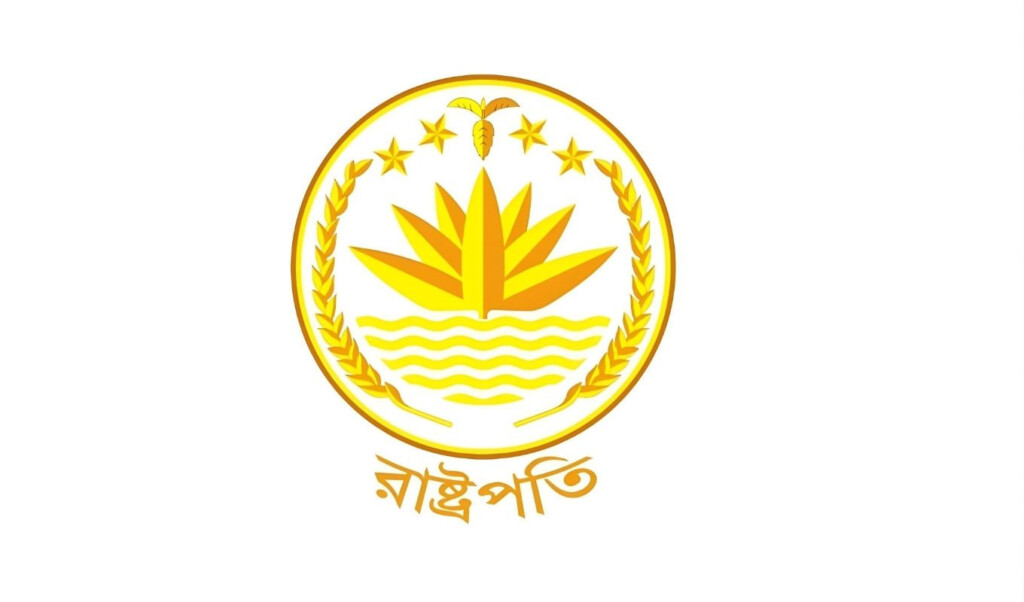
The formal journey of Bangladesh’s newly elected National Parliament has officially commenced, with members taking their oaths of office. Alongside them, the Prime Minister, ministers, and state ministers have also assumed their responsibilities. Amid this political transition, speculation has emerged regarding the country’s presidential office—specifically, who will assume the role under the new government led by the Bangladesh Nationalist Party (BNP) and when a presidential election might occur.
During the tenure of the previous Awami League government, the presidency was held by Mohammad Shahabuddin, who took office in April 2023. Following a popular uprising that led to the fall of Sheikh Hasina’s administration in 2024, calls for his resignation were raised by student activists and civil society groups. Despite these demands, the BNP-led government, under the leadership of Tarique Rahman, formally administered the oath of office in the presence of President Shahabuddin, who continued in his role.
Legal experts emphasise that, under the current constitution, the president’s term runs until April 2028. As a result, there is no immediate legal provision for electing a new president unless the incumbent resigns or is impeached. Constitutional scholar Kazi Zahed Iqbal told BBC Bangla, “The constitution clearly outlines the conditions under which the office of the president becomes vacant. Only then can the new Parliament initiate procedures for an election.”
Circumstances Under Which the Presidential Post Becomes Vacant
| Reason for Vacancy | Explanation | Current Status |
|---|---|---|
| Completion of Term | The president serves a five-year term, renewable only once | Shahabuddin’s term ends April 2028 |
| Resignation | President may voluntarily step down | Shahabuddin has expressed willingness to resign post-election |
| Impeachment | Removal due to misconduct or incapacity | Not applicable currently |
President Shahabuddin indicated in a December interview with Reuters via WhatsApp that he is willing to step aside after the upcoming February elections, citing personal grievances experienced during the caretaker period. He added that until an election occurs, he intends to continue fulfilling his constitutional duties. Analysts anticipate that once the BNP government is fully in place, the question of a presidential transition may resurface.
Procedure for Electing a New President
According to Article 50 of Bangladesh’s Constitution, the president is elected by the members of Parliament. Candidates must be at least 35 years old and eligible to serve as MPs. Historically, the country previously employed direct presidential elections, but this was abolished in 1991 following the restoration of a parliamentary system.
The Election Commission, led by the Chief Election Commissioner, oversees the election in consultation with the Speaker of Parliament. Voting is conducted during a parliamentary session; if there is a single candidate, the election is uncontested. Furthermore, Article 123 mandates that a presidential election be held between 90 and 60 days before the expiry of the current term.
Balance of Power: President and Prime Minister
While the Bangladeshi Constitution currently grants limited executive powers to the president, the role can become significant during political crises or parliamentary dissolutions. For instance, during the 2024 political upheaval, the president remained the sole constitutional authority. The July Reform Charter, ratified after a national referendum, proposes an increase in presidential powers in certain areas, such as appointments to the Human Rights Commission, Press Council, and central banking authorities, without requiring prime ministerial advice. However, constitutional amendments are necessary before these reforms can be fully implemented.
Analysts note that until such amendments are made, the office of the president will largely remain ceremonial, with real executive authority resting with the prime minister. Nevertheless, with the BNP government now in office, discussions regarding the next presidential election are expected to gain momentum in the near future.