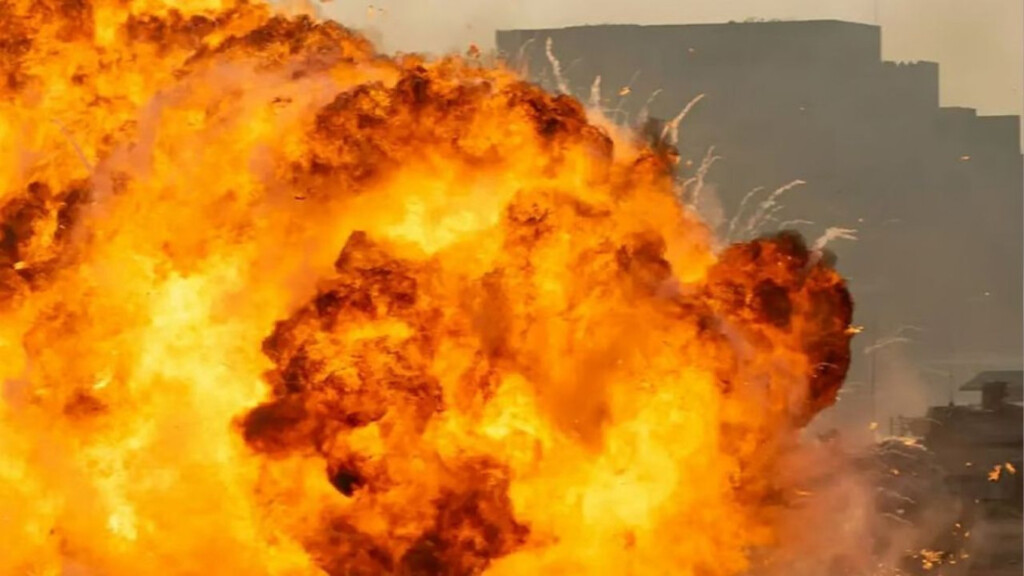
A devastating explosion at a pyrotechnics outlet in central China has claimed the lives of at least twelve people, according to reports from the state broadcaster, CCTV. The tragedy occurred on Wednesday, marking the second day of the official Lunar New Year holidays—a period traditionally defined by vibrant celebrations but often marred by industrial accidents.
The blast ripped through the establishment during a time of peak demand. While the New Year itself fell on Tuesday, the festive spirit continued into the mid-week, with millions across the country participating in age-old rituals to ward off evil spirits through the use of light and sound.
The Culture of Fire and Sound
In Chinese tradition, the detonation of firecrackers and the launching of “missile-style” fireworks are believed to bring good fortune and prosperity for the coming year. However, the sheer scale of production and the volatile nature of these goods create a perennial safety challenge for the authorities. In smaller towns and rural districts, where safety regulations are often less stringently enforced than in the metropolises, makeshift shops and warehouses become literal tinderboxes during the spring festival.
Comparison of Firework Regulations in China
| Region Type | Regulatory Status | Enforcement Level | Common Firework Types |
|---|---|---|---|
| Tier 1 Cities (e.g., Beijing, Shanghai) | Total Ban | High | Digital/Electric Fireworks |
| Provincial Capitals | Partial Restrictions | Moderate | Low-noise Pyrotechnics |
| Rural & Small Towns | Permitted | Variable | Heavy Crackers & Missiles |
A History of Restrictions
In recent years, the Chinese government has intensified its crackdown on the pyrotechnic industry. Major urban centres, including Beijing, have implemented comprehensive bans on fireworks, citing not only the risk of fatal explosions and fires but also the severe impact on air quality. During the festive period, smog levels in northern China frequently spike to hazardous levels due to the concentrated release of chemical particulates.
Despite these urban prohibitions, the demand in the hinterlands remains insatiable. This creates a lucrative but dangerous “grey market” where safety protocols are frequently bypassed to meet seasonal quotas.
Ongoing Investigations
Local emergency services and fire crews were dispatched to the scene in central China shortly after the explosion, but the intensity of the initial blast left little room for rescue operations. Authorities are now conducting a thorough forensic investigation to determine whether the explosion was caused by improper storage, a manufacturing defect, or an accidental ignition by a customer.
As the nation continues its week-long holiday, this incident serves as a somber reminder of the risks associated with one of the world’s oldest celebratory traditions. The provincial government has reportedly ordered an immediate safety audit of all remaining firework vendors in the region to prevent further loss of life.