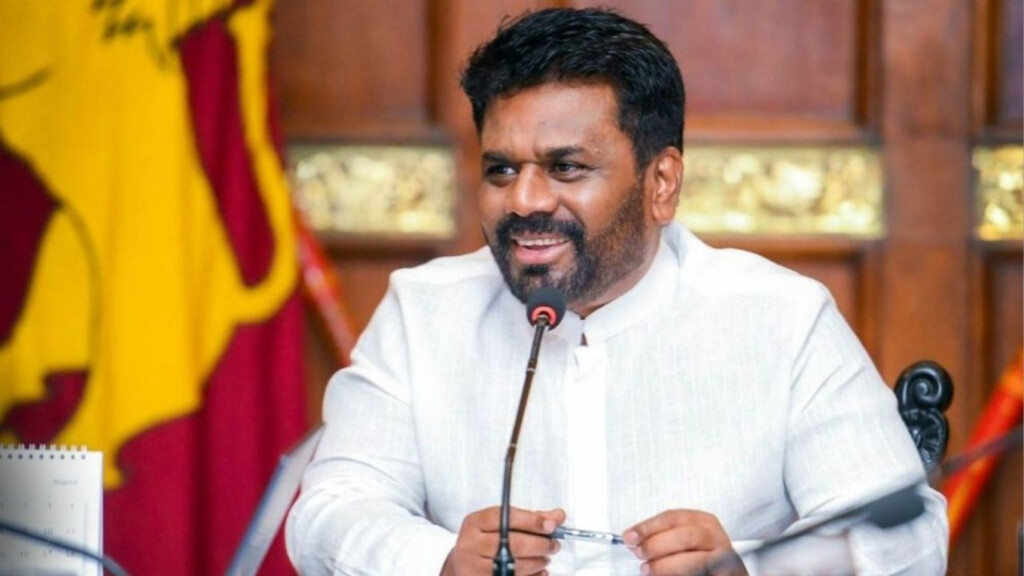
In a landmark move aimed at dismantling decades of political entitlement, the Sri Lankan Parliament voted overwhelmingly on Tuesday, 17 February 2026, to abolish the state pension scheme for Members of Parliament (MPs) and their widows. The decision marks a significant milestone for President Anura Kumara Dissanayake’s left-leaning administration, fulfilling a central campaign promise to curb the excesses of the political class and restore fiscal accountability to the crisis-stricken island nation.
Dismantling a 49-Year-Old Legacy
The repeal of the Parliamentary Pension Act of 1977 ends a nearly half-century-old tradition of lifelong stipends for lawmakers. Justice Minister Harshana Nanayakkara, who introduced the motion, delivered a blunt assessment of the legislative body’s standing during the debate. He noted that the quality of parliamentary discourse and the public’s perception of political conduct have reached a nadir where the populace no longer deems MPs “worthy” of such financial rewards.
Under the previous framework, MPs were entitled to a lifelong pension after serving just five years in office. In contrast, career civil servants in Sri Lanka are required to serve a minimum of ten years to qualify for similar retirement benefits—a disparity that has long fueled public resentment.
Parliamentary Vote Breakdown
| Voting Status | Number of Members | Percentage of Total |
|---|---|---|
| In Favour | 154 | 70% |
| Against | 2 | 0.9% |
| Abstained/Absent | 64 | 29.1% |
| Total Seats | 220 | 100% |
Austerity and the Rajapaksa Era
This legislative victory is the latest in a series of aggressive cost-cutting measures. Since taking office, President Dissanayake has systematically targeted the “imperial” lifestyle of former leaders. The government has already revoked numerous privileges once enjoyed by former presidents, including sprawling official bungalows, fleets of luxury vehicles, and thousands of taxpayer-funded security personnel.
The reform has notably impacted the Rajapaksa dynasty. Following the 2022 economic collapse, Gotabaya Rajapaksa was forced from office and eventually evicted from state-funded housing. More recently, Mahinda Rajapaksa faced significant pressure to vacate his official residence as the government slashed allocations for secretarial staff, fuel, and personal bodyguards.
Opposition and Corruption Concerns
The motion was not without its detractors. Opposition Leader Sajith Premadasa voiced strenuous objections, arguing that the removal of a social safety net for retired politicians could inadvertently foster corruption. He suggested that without the promise of a stable retirement, sitting lawmakers might be tempted to amass illicit wealth during their tenure to ensure their future financial security.
Despite these warnings, the ruling party’s two-thirds majority ensured the bill passed with ease. For the general public, who endured the brunt of the 2022 financial crisis, the message is clear: the era of the “privileged politician” is over, replaced by a mandate of shared national sacrifice.