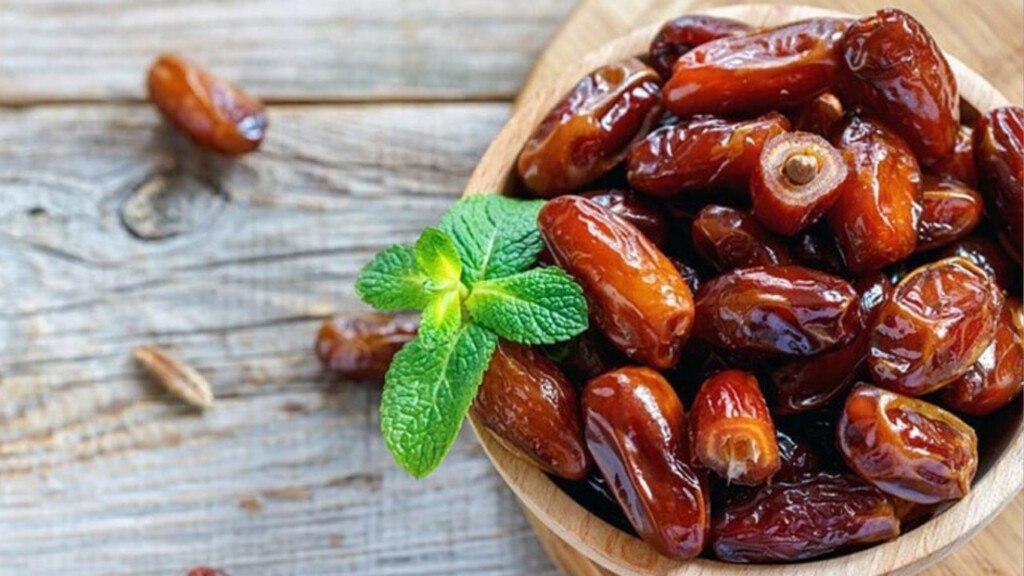
Iran has reaffirmed its position as a global titan in the agricultural sector, with fresh and dried date exports witnessing a remarkable 25% increase in value during 2024. According to the latest data from the International Trade Centre (ITC), the Islamic Republic exported approximately 332,346 tonnes of dates, generating over $213 million in foreign currency.
This surge reflects both an expansion in export capacity and a burgeoning demand across regional and international markets. Throughout 2024, the average export price remained steady at $641 per tonne. When viewed through a broader lens, the five-year period from 2020 to 2024 shows a consistent upward trajectory, with export values rising by 9% and volumes by 10%.
Global Market Destinations
Iran’s dates reach over 80 countries, with Asian neighbours remaining the primary consumers. India stands as the pre-eminent destination, absorbing nearly a fifth of all shipments.
| Destination | Export Share (%) |
|---|---|
| India | 19.5% |
| United Arab Emirates | 11.0% |
| Pakistan | 7.3% |
| Turkey | 6.8% |
| Kazakhstan | 4.9% |
Domestic Production and Value Addition
The heart of Iran’s date industry lies in the provinces of Kerman, Sistan-Baluchestan, Hormozgan, Khuzestan, Bushehr, and Fars. While the country produces a vast surplus, domestic consumption remains high, particularly during the holy month of Ramadan, when nearly 70% of the annual yield is consumed locally.
To maximise economic returns, the Iranian government is pivoting towards value-added processing. Historically, post-harvest losses have hovered around 30%. By investing in the production of date syrup, paste, and date-infused chocolates, the industry aims to mitigate waste while catering to the sophisticated tastes of European and East Asian markets.
The Bedrock of the Non-Oil Economy
Agriculture serves as a vital pillar of the Iranian economy, contributing between 11% and 14% to the national GDP and providing employment for roughly 18% of the workforce. With an annual output ranging from 125 to 130 million tonnes—valued at over $70 billion—the sector ensures nearly 90% of domestic food security.
Beyond dates, Iran is a world leader in several high-value “boutique” crops:
Pistachios: Known as “Green Gold,” Iran boasts over 600,000 hectares of orchards, the largest in the world.
Saffron: Iran dominates the global supply of this precious spice.
Honey and Walnuts: Consistently ranked among the top global producers by the FAO.
Despite these successes, the sector faces significant headwinds. Recurrent droughts and chronic water scarcity pose existential threats to crop yields. Furthermore, challenges in securing foreign currency for essential inputs like high-grade fertilisers remain a hurdle. Nevertheless, through the promotion of modern irrigation and tax incentives for “knowledge-based” agricultural firms, Iran continues to strengthen its competitive edge in the global marketplace.