Recently released files from the United States Department of Justice have disclosed a startling development: the late financier and convicted sex offender Jeffrey Epstein was allegedly offered the opportunity to purchase a building used by the Pentagon, as well as properties connected to the Federal Bureau of Investigation (FBI). The claims were highlighted in a special investigation by ITV News and have since triggered renewed scrutiny of the intersections between wealth, political access and national security.
Pentagon-Linked Property in Arlington
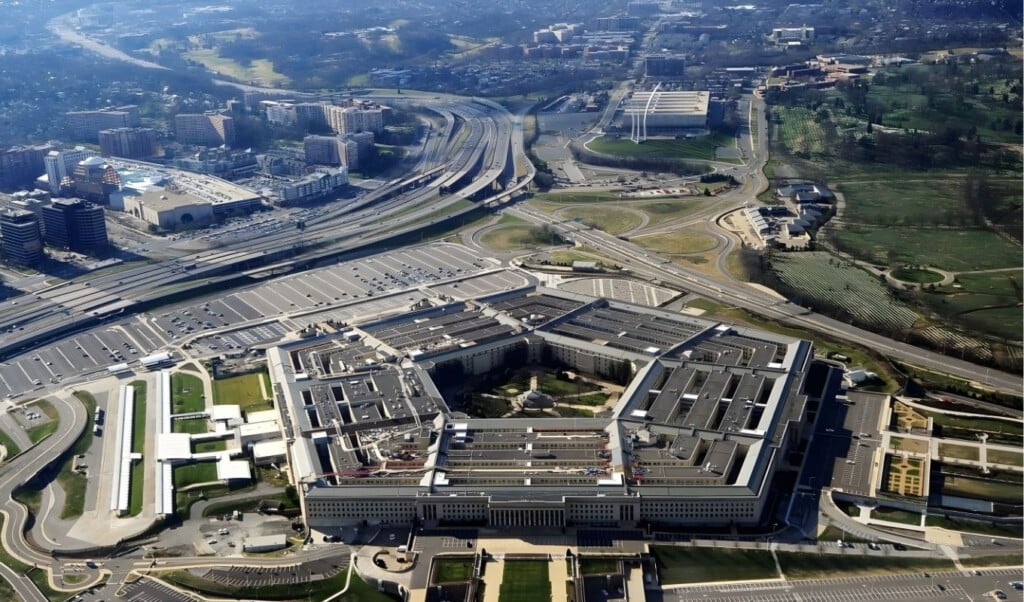
According to leaked documents dating back to 2016, Epstein was approached regarding the purchase of a vast office complex in Arlington, Virginia, located approximately one mile from the Pentagon. The site reportedly covers around 84,710 square metres and was described in investor memoranda as an exceptionally sensitive facility.
The marketing document characterised the building as the only installation in Arlington, apart from the Pentagon itself, capable of meeting the specialised infrastructural requirements of the US Department of Defense. The proposed sale price stood at $116 million.
Had the transaction been completed, Epstein would effectively have become a co-owner and landlord to a critical component of the US defence establishment—an extraordinary prospect given his criminal record and the gravity of the security implications.
Summary of Proposed Transactions
| Year | Property Location | Type of Facility | Proposed Value (USD) | Status |
|---|---|---|---|---|
| 2016 | Arlington, Virginia | Pentagon-linked office complex | $116 million | No confirmed completion |
| 2015 | Richmond, Virginia | FBI Field Office & Court Building | Not disclosed | Proposal only |
| 2015 | Baltimore, Maryland | FBI Field Office & Court Building | Not disclosed | Proposal only |
Although there is no conclusive evidence that the Arlington deal was finalised, the mere existence of such an offer has raised profound questions about vetting procedures and oversight within sensitive property transactions involving national security infrastructure.
Allegations of Intelligence Links
Among the millions of emails released, an FBI informant’s memorandum made further explosive claims: that Epstein had been an agent of Mossad. The memo alleged that he maintained close ties with Ehud Barak, Israel’s former Prime Minister, and had received specialised intelligence training under his supervision.
The documents state that Barak visited Epstein’s New York residence at least 30 times between 2013 and 2017. They also reference substantial financial contributions by Epstein to various Israeli organisations, including groups linked to the Israeli military and settlement movements.
These allegations remain unproven and highly contentious. Nevertheless, their publication has intensified global debate over the relationships between intelligence services, political elites and wealthy benefactors.
Wider Real Estate Proposals
Epstein’s associate, David Stern, is reported to have presented him with additional opportunities to acquire federal properties, including two FBI field offices and court buildings in Richmond and Baltimore in 2015. These assets were described as highly attractive investment opportunities.
The documents further indicate that the proposals were structured through real estate investor Jonathan D. Fascitelli, underscoring how conventional commercial property channels may intersect with highly sensitive governmental infrastructure.
Renewed Global Debate
The revelations have reignited international concern about transparency, security oversight and the extent to which influential individuals may gain proximity to state institutions. While many of the claims require further verification, the episode underscores systemic vulnerabilities in the management and potential privatisation of government-linked assets.
In the wake of these disclosures, questions are mounting over how such proposals were entertained at all—and whether existing safeguards are sufficient to prevent similar controversies in the future.