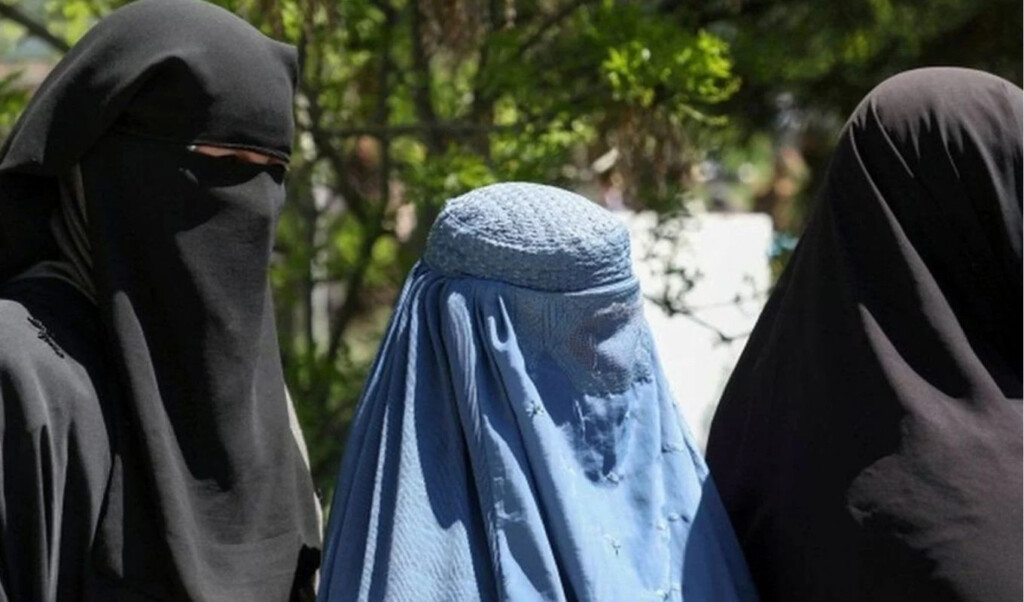
The release of a new penal code by the Taliban in Afghanistan has sparked widespread international concern over women’s rights and access to justice. British media outlet The Independent, after analysing the provisions, reports that the legislation severely restricts women’s ability to seek redress, particularly when it comes to filing complaints of physical abuse against their husbands.
The 90-page code, titled De Mahakumu Jazai Usulnama and signed by the Taliban’s supreme leader, Hibatullah Akhundzada, has been distributed across the country’s courts. According to legal analysts who reviewed a copy obtained by The Independent, the code institutionalises traditional hierarchical practices and embeds them into the legal framework, dividing society into four distinct strata with differing legal consequences for identical offences.
Punishment by Social Hierarchy
| Social Stratum | Typical Punishment for Offenders |
|---|---|
| Religious Leaders / Mullahs | Advised or counselled only; no formal punishment |
| Elite / High-Class Citizens | Advised; summoned to court if necessary |
| Middle-Class Citizens | Prison sentence possible |
| Lower-Class / Labourers | Prison sentence plus corporal punishment possible |
Human rights observers have expressed alarm that women and slaves are now effectively placed on a comparable legal footing. The code explicitly allows husbands to administer what it terms “considerate disciplinary punishment” to their wives. Critics argue this provision has institutionalised domestic violence.
Under the previous NATO-supported government, women could press charges for abuse, with offenders facing three months to a year in prison. Under the new legislation, even in cases of severe injury, a husband’s maximum penalty is limited to 15 days’ imprisonment—further curtailing the deterrent against domestic abuse.
Barriers to Filing Complaints
The process for lodging a complaint has become extremely restrictive. A woman must present her injuries before a judge while maintaining strict segregation and covering, raising practical questions about how such evidence can be effectively demonstrated. Moreover, any complaint of physical abuse requires the woman to obtain her husband’s permission and appear in court with a male guardian (mahram), often the husband himself. Since the accused is typically the husband, access to justice is effectively blocked.
A legal adviser in Kabul, speaking anonymously, described a woman who was harassed by Taliban guards while visiting her imprisoned husband. When she sought to file a complaint, she was instructed to bring a mahram, which was impossible as her only male guardian was in prison. Frustrated, she reportedly exclaimed publicly that death would be preferable to enduring this system of “hellish torment.”
Additionally, Article 34 of the new code criminalises women leaving their husband’s home without consent, even to visit relatives, imposing up to three months’ imprisonment on the woman and her host family. Human rights groups also warn that merely discussing or criticising the code has been declared a punishable offence, creating an atmosphere of pervasive fear and silencing public dissent.
The new penal code thus represents a significant regression in women’s legal rights in Afghanistan, drawing condemnation from international human rights organisations and legal experts worldwide.