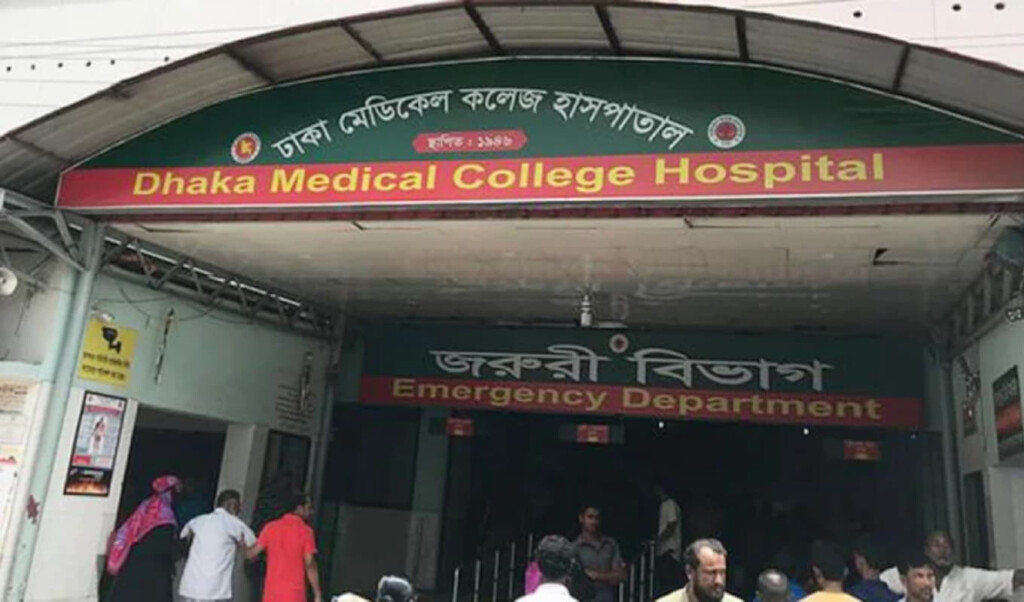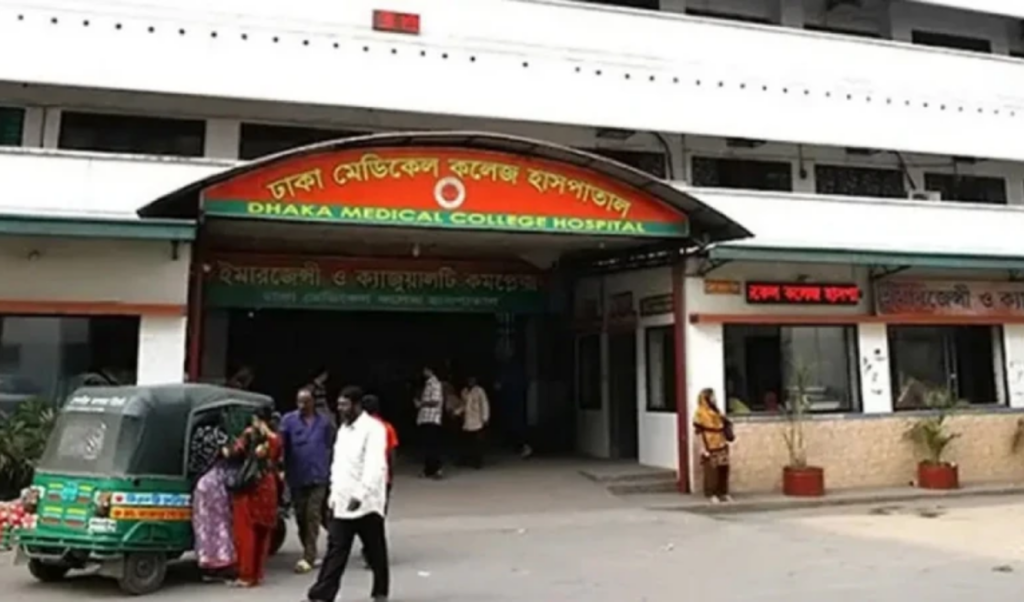
A 60-year-old remand prisoner, Monir Hossain Sikdar, has died while undergoing treatment at Dhaka Medical College Hospital, raising fresh questions about custodial healthcare and medical oversight for detainees.
Hospital authorities confirmed that Sikdar passed away at 11:05 p.m. on Friday night while admitted to the hospital’s internal medicine ward. He had been receiving treatment since 7 February, after being transferred from Dhaka Central Jail due to deteriorating health.
According to officials, prison guards escorted him to the hospital following instructions from the prison administration when his condition worsened. He remained under medical supervision for nearly two weeks before succumbing late on Friday. The precise cause of death has not yet been disclosed and is expected to be determined following a post-mortem examination.
Inspector Md Faruk, in charge of the police outpost at Dhaka Medical College Hospital, confirmed the death and stated that the body has been kept in the hospital morgue pending legal formalities and autopsy procedures. Once these processes are completed, the body will be handed over to the family.
Family sources identified the deceased as a resident of Gopaldi village under Araihazar upazila in Narayanganj district. His father’s name is Haji Johurul Islam Sikdar. However, prison authorities were unable to immediately confirm the specific charges or case under which Sikdar had been detained. It remains unclear how long he had been in custody prior to his hospitalisation.
Summary of Key Information
| Category | Details |
|---|---|
| Name | Monir Hossain Sikdar |
| Age | 60 |
| Residence | Gopaldi, Araihazar, Narayanganj |
| Detention Facility | Dhaka Central Jail |
| Hospital Admission | 7 February |
| Place of Treatment | Dhaka Medical College Hospital |
| Time of Death | 11:05 p.m., Friday |
| Body Status | Preserved in hospital morgue |
| Cause of Death | Pending post-mortem report |
Under national regulations, prisoners are entitled to medical care, and severely ill inmates must be transferred to specialised public hospitals when adequate treatment cannot be provided within prison facilities. In practice, however, the quality and timeliness of medical interventions in custodial settings have often been subjects of public debate.
Legal analysts note that when a detainee dies while under state custody, the incident typically prompts both administrative scrutiny and medico-legal examination. Human rights observers frequently stress the importance of transparent reporting, timely diagnosis, and proper documentation in such cases to ensure accountability.
Until the autopsy findings are released and prison authorities provide further clarification regarding Sikdar’s health condition and legal status, many questions remain unanswered. The incident underscores the continuing need for robust healthcare monitoring mechanisms within correctional institutions to prevent avoidable custodial deaths and to safeguard the welfare of detainees under state responsibility.