Tensions between the United States and Iran have escalated sharply, raising fears of imminent military confrontation. The United States has significantly bolstered its military presence in the Middle East, with assets on high alert amid concerns that a strike against Iran could be launched at any moment. Diplomatic and defence analysts warn that, with both sides prepared for conflict, the situation could deteriorate rapidly.
US Military Deployment
The US has increased its operational readiness across the region, deploying air, naval, and ground forces in strategic locations. Key components of the American military presence are outlined in the table below:
| Military Asset | Location | Operational Role |
|---|---|---|
| E-3 Sentry Airborne Warning and Control Aircraft | Middle East | Conducts surveillance and command-control operations for potential airstrikes |
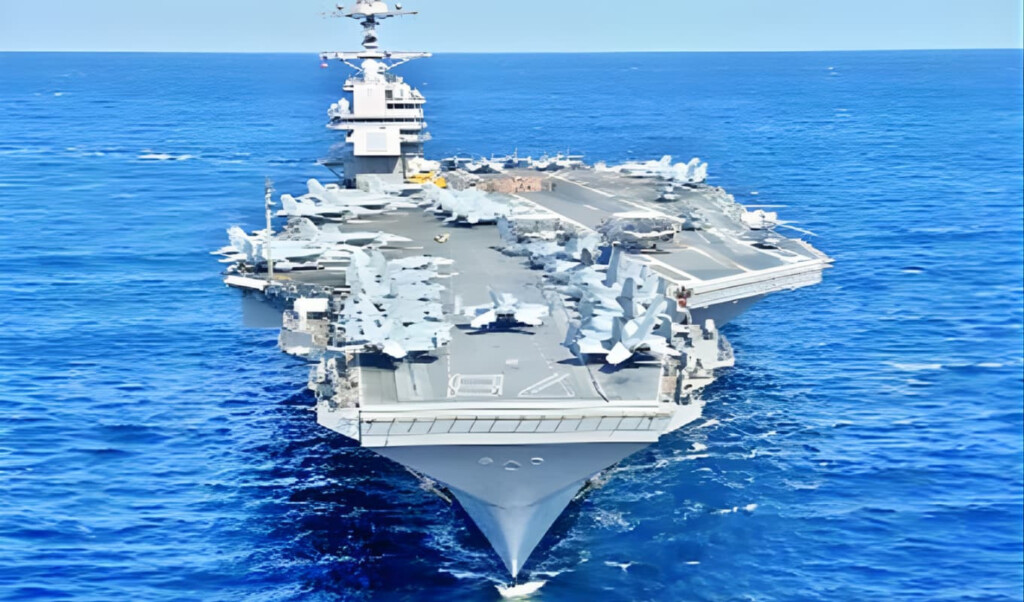
| Abraham Lincoln Carrier Strike Group | Arabian Sea | Includes the USS Gerald R. Ford, the largest aircraft carrier in the world, providing rapid strike capability |
| Combat Aircraft | Middle East | Over 50 additional aircraft deployed for offensive and defensive missions |
| Military Personnel and Officers | Regional Bases | Certain officers relocated to reduce risk of retaliatory attacks |
According to media reports, any US strike would require approval from President Donald Trump, who has not yet made a final decision. Nevertheless, US forces are reported to have completed all preparations for targeted attacks.
Iran’s Response
Iran has adopted a defensive posture, conducting joint military exercises with Russia and issuing stern warnings. Tehran has stated that any US attack would make American bases, facilities, and assets in the region legitimate targets. Iranian ambassador Amir Saeed Iravani warned, “The US’s belligerent posture threatens not only regional stability but international peace and security.”
International Reaction
The United Kingdom has refused to allow US forces to use its airbases. Prime Minister Keir Starmer justified the decision, citing concerns over potential violations of international law. Meanwhile, officials from Saudi Arabia and the United Arab Emirates have reportedly expressed cautious support for targeted strikes on Iran. Diplomats, however, have cautioned that prolonged conflict could draw in additional nations and result in extensive bloodshed.
Diplomatic Stalemate
European diplomats suggest that Iran is unwilling to shift from its core positions. Analysts say Tehran is attempting to delay negotiations to withstand international pressure. Conversely, with the US administration’s patience reportedly limited, the situation is increasingly dominated by military considerations rather than diplomatic solutions.
Overall, the standoff between the United States and Iran is heightening instability in the Middle East. Military and diplomatic observers warn that unchecked escalation could spiral into a prolonged and multifaceted conflict, with consequences extending far beyond the immediate region.