The International Crimes Tribunal (ICT) in Bangladesh is currently facing mounting scrutiny over its detention protocols, which critics argue are increasingly at odds with its own governing regulations. According to the tribunal’s procedural rules, an individual cannot be detained for more than one year without formal charges unless “exceptional circumstances” exist. However, current evidence suggests that this threshold is being systematically ignored.
The Case of Dr Tawfiq-e-Elahi Chowdhury
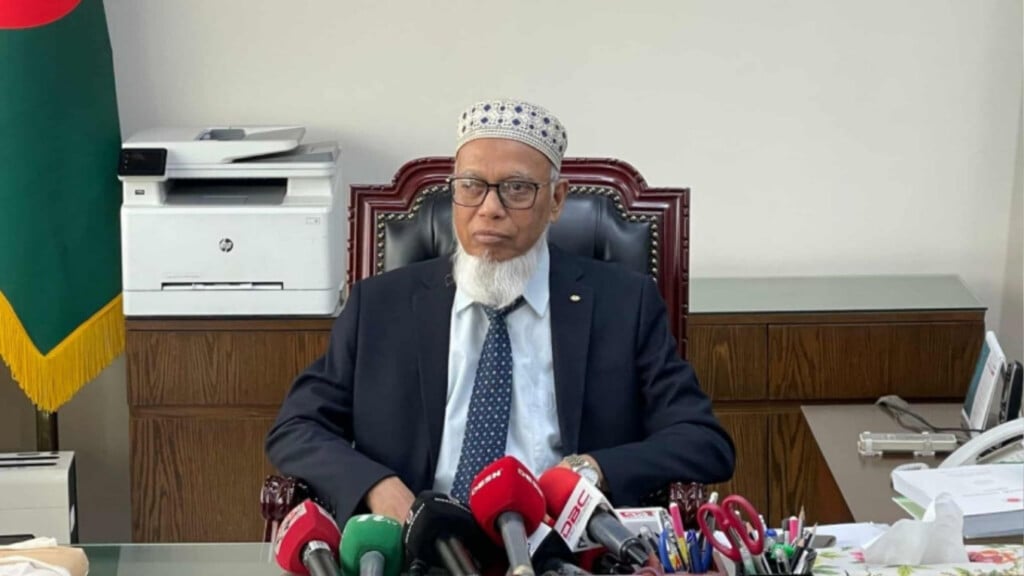
A prime example of this procedural drift is the case of Dr Tawfiq-e-Elahi Chowdhury, the former Energy Advisor to ousted Prime Minister Sheikh Hasina. Arrested in October 2024 on allegations of crimes against humanity, Dr Chowdhury has now spent 15 months in custody without a formal indictment.
Section 9(5) of the ICT Rules of Procedure stipulates that an investigating officer must complete their enquiry within one year of an arrest. While a six-month extension is permissible under “exceptional circumstances,” such reasons must be documented in writing. In Dr Chowdhury’s case—an 81-year-old man held well beyond the one-year mark—no such exceptional circumstances have been publicly identified or recorded, rendering his continued detention seemingly arbitrary and legally questionable.
Systemic Breaches of Rule 9(5)
The issue extends far beyond a single individual. Currently, at least seven other high-profile detainees have exceeded the one-year detention limit without charges. These include former ministers, members of parliament, and a retired judge.
| Detainee Name | Former Role | Detention Duration (Approx.) |
|---|---|---|
| Dr Tawfiq-e-Elahi Chowdhury | Energy Advisor | 15 Months |
| Dr Dipu Moni | Education/Foreign Minister | > 12 Months |
| Faruk Khan | Civil Aviation Minister | > 12 Months |
| Kamal Ahmed Majumder | State Minister | > 12 Months |
| Shahjahan Khan | Shipping Minister | > 12 Months |
| Golam Dastagir Gazi | Textiles Minister | > 12 Months |
| A.H.M. Fazle Karim Chowdhury | Member of Parliament | > 12 Months |
| Shamsuddin Choudhury Manik | Supreme Court Justice | > 12 Months |
International Legal Criticism
The lack of transparency has drawn sharp criticism from the international legal community. Lord Carlile of Berriew KC, a prominent British jurist, has voiced significant concerns regarding the detention of Fazle Karim Chowdhury. Lord Carlile, who previously represented the late Khaleda Zia, argues that the current process lacks legal validity.
“You cannot hold someone for a year on the mere assertion that evidence exists; that evidence must be presented,” Lord Carlile remarked. He warned that if Bangladesh fails to adhere to the rule of law, it risks becoming an outlier within the Commonwealth. He expressed disappointment that the administration, led by Professor Muhammad Yunus, has yet to rectify these procedural failures.
The Imperative for Due Process
While there is significant public pressure to ensure accountability for those associated with the previous regime, justice cannot be served through vengeance. The ICT’s own rules are designed to prevent indefinite detention without trial. If the tribunal is to meet international standards—as it claims to—it must faithfully apply Section 9(5).
Even if the ICT grants bail, many of these individuals may remain in custody due to separate criminal cases. However, for the integrity of the tribunal, it is essential that it does not become a tool for detention-without-end. As Prime Minister Tarique Rahman noted in his first press conference following his party’s victory, peace in Bangladesh is only sustainable through the “rule of law.” Adhering to the tribunal’s own detention limits would be a vital first step in proving that commitment.