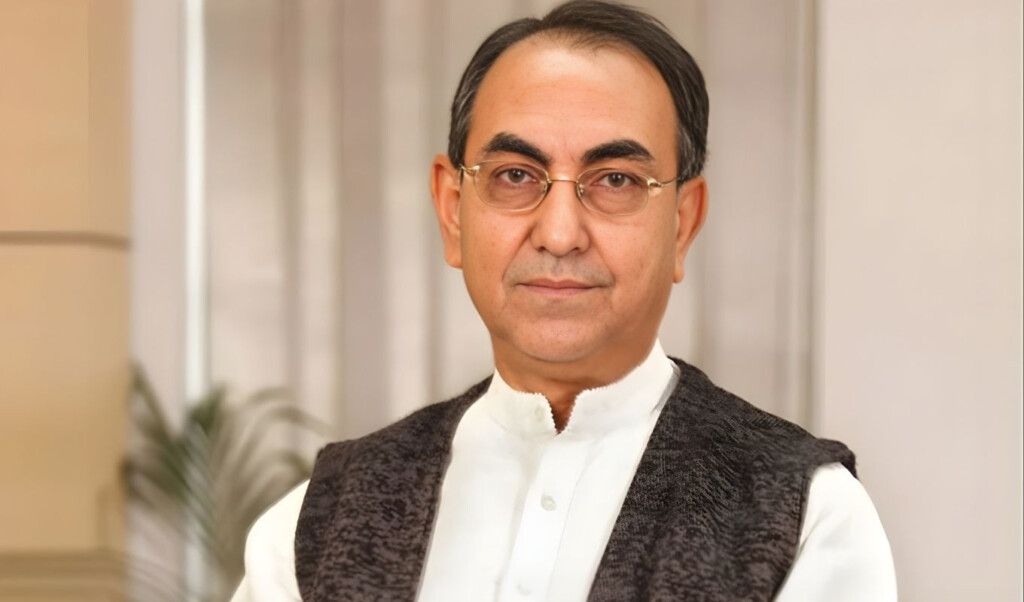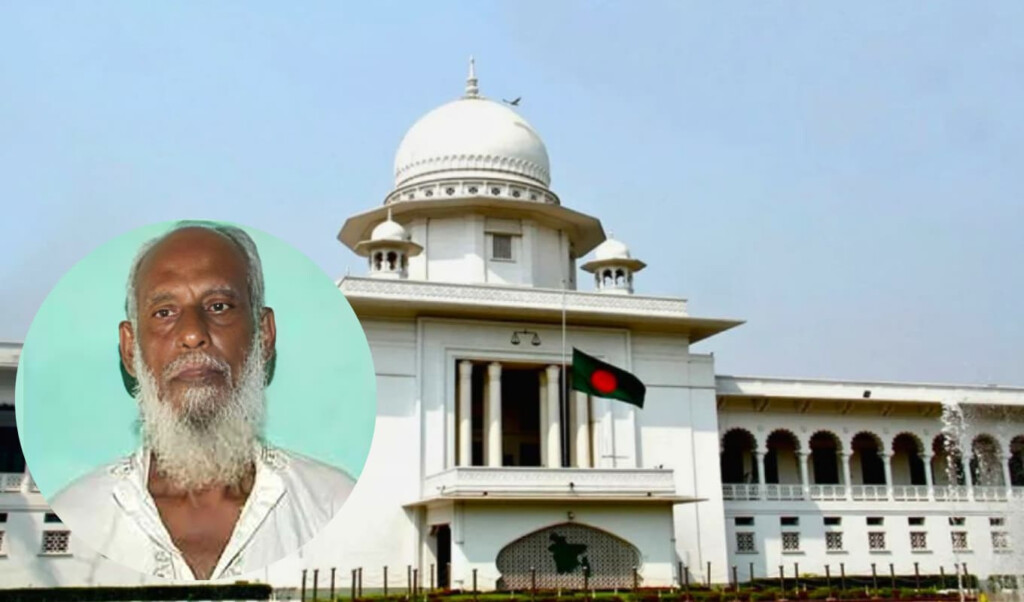
The Supreme Court has acquitted Khan Akram Hossain, a prominent figure from Bagerhat, in a high-profile case concerning crimes against humanity committed during the 1971 Liberation War. The verdict was delivered on Thursday, 26 February, by the Appellate Division, led by Chief Justice Zubayer Rahman Chowdhury. The state was represented in court by Chief Prosecutor Md. Aminul Islam.
The case dates back to 2015 when the International Crimes Tribunal-1 of Bagerhat delivered its initial verdict. On 11 August 2015, the tribunal sentenced Sheikh Sirajul Haque, also known as Siraj Master, to death after finding him guilty of five out of six charges. Khan Akram Hossain, a co-accused, was sentenced to life imprisonment for one proven charge of crimes against humanity. The third accused, Abdul Latif Talukdar, died during the trial, resulting in his removal from the list of defendants.
On the day of the Supreme Court ruling, both Sirajul Haque and Khan Akram appeared before the tribunal. Upon reviewing the case, the court found that among the three accused, Sirajul Haque was convicted on five of six charges, while Khan Akram had only one of three charges proven. Accordingly, the court upheld the death sentence for Sirajul Haque and acquitted Khan Akram Hossain on appeal.
The following table summarises the main details of the case:
| Accused Name | Total Charges | Proven Charges | Initial Sentence | Appeal Outcome |
|---|---|---|---|---|
| Sheikh Sirajul Haque (Siraj Master) | 6 | 5 | Death | Upheld |
| Khan Akram Hossain | 3 | 1 | Life Imprisonment | Acquitted |
| Abdul Latif Talukdar | 1 | 0 | Under Trial | Removed due to Death |
Khan Akram’s acquittal underscores the complexity of war crimes cases and highlights the rigorous judicial process in Bangladesh. Legal experts have noted that the verdict represents a significant precedent in the country’s judicial history, demonstrating transparency and adherence to due process in handling atrocities committed during the 1971 Liberation War.
This case, conducted by the International Crimes Tribunal-1, is regarded as one of the most sensitive and closely watched in the nation’s history. Following the Supreme Court decision, the families of the accused accepted the ruling, reinforcing public confidence in the legal system.
Overall, the acquittal marks a new chapter in the adjudication of 1971 crimes against humanity, and it will remain a landmark in Bangladesh’s legal and historical records.