The once-celebrated British institution, the East India Company, famed for its 200-year legacy, is on the brink of permanent closure. Renowned for its profound influence on the commercial and political landscape of India during the colonial era, the company’s demise marks the end of a significant chapter in global trade history, according to historians.
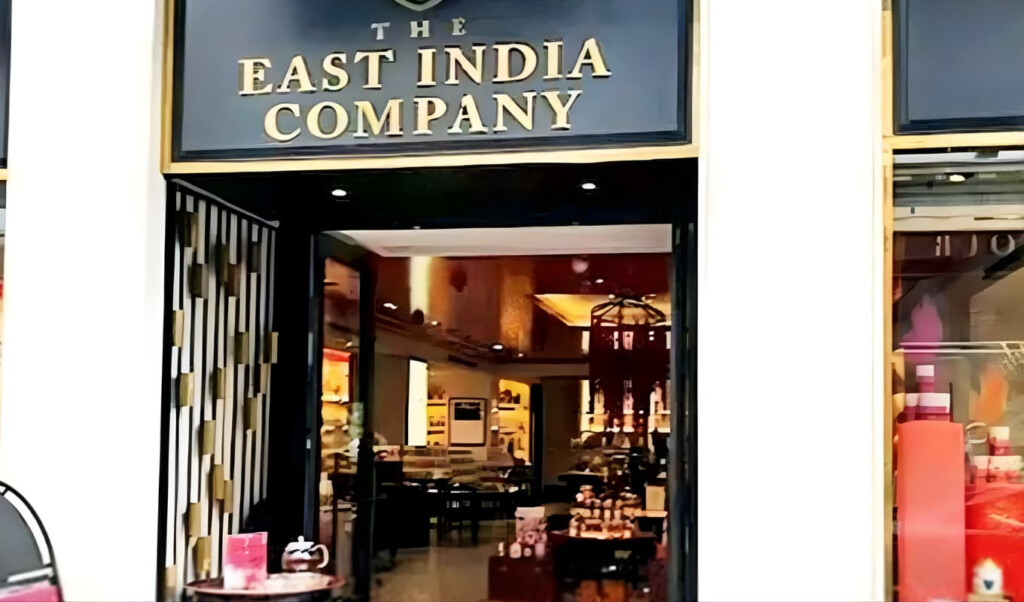
Following a temporary suspension after the Indian Rebellion of 1857, the company experienced a revival in 2010 under the stewardship of Indian entrepreneur Sanjeev Mehta. Reimagined for wholesale and retail operations, the company launched a 2,000-square-foot store in Mayfair, London, offering luxury foods and beverages. Mehta’s vision was to expand the brand internationally, delivering premium products to a discerning clientele and reviving the company’s historic prestige.
However, ongoing economic challenges and high operational costs have compelled the company to declare bankruptcy. The parent entity, East India Company Group, is owed £600,000 (approximately ₹7.5 crore), while outstanding tax liabilities amount to £193,789 (around ₹24.2 lakh), and unpaid staff wages total £163,105 (roughly ₹20.4 lakh). Subsidiaries and affiliated branches have also encountered severe financial difficulties as a result.
The table below summarises the company’s current financial obligations:
| Liability Type | Amount (£) | Approximate Value in INR |
|---|---|---|
| Parent Company Debt | 600,000 | 7.5 crore |
| Outstanding Taxes | 193,789 | 24.2 lakh |
| Employee Wages Payable | 163,105 | 20.4 lakh |
Experts attribute the company’s downfall to a combination of unsustainable long-term business planning and an inability to adapt to the competitive modern market. Although the 2010 revival established a presence in the global luxury food and beverage sector, excessive costs and insufficient cash flow prevented sustainable growth.
Economists view the collapse as a cautionary tale where heritage and commerce intersect. The process of liquidating the company’s assets has already begun, signalling a definitive end to one of the most historically influential commercial enterprises of the British colonial period. Historians assert that the closure of the East India Company’s storied branches symbolises the conclusion of 200 years of colonial trade dominance.
For the United Kingdom and India alike, this marks a historic moment—an emblematic closure of a venerable institution that once wielded immense economic and political power across continents.