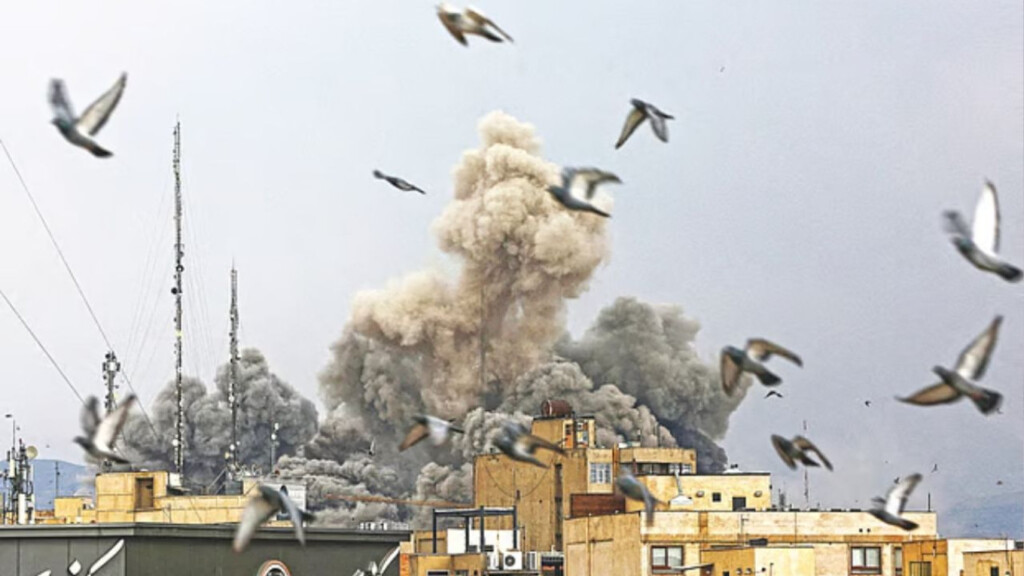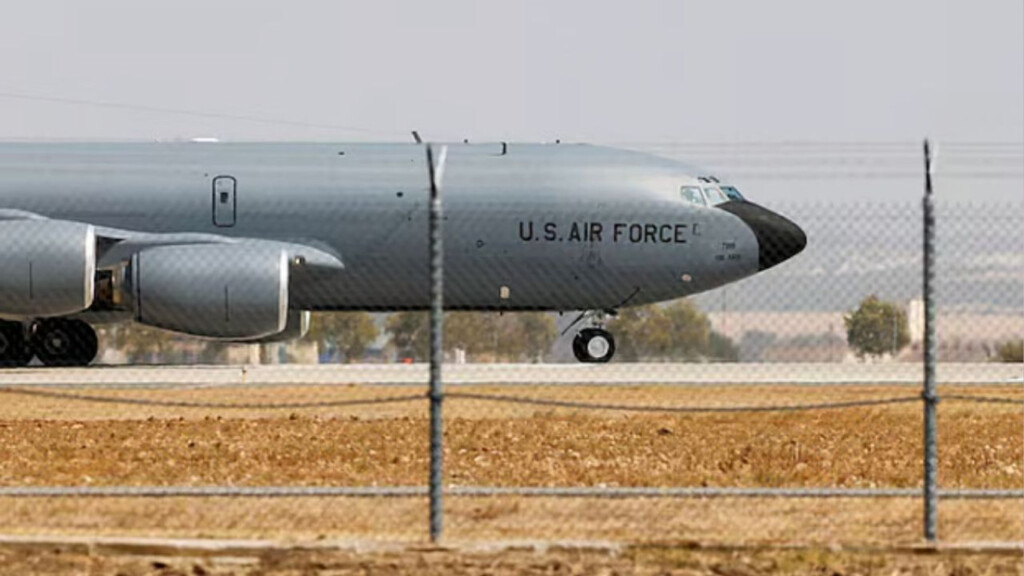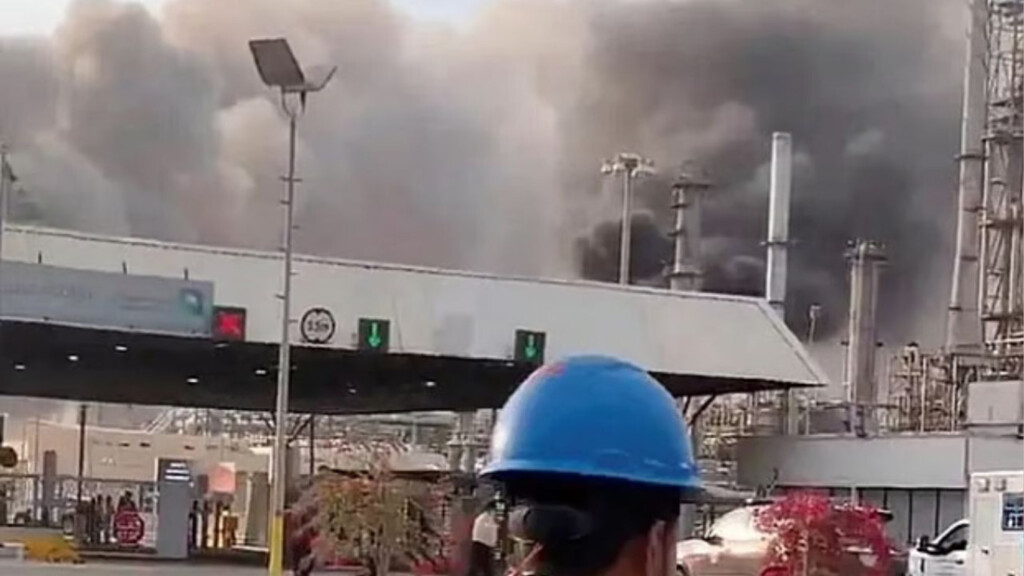
The retaliatory spiral between Iran and the Western coalition has moved into a dangerous new phase, as Tehran shifts its sights toward the vital energy arteries of the Middle East. By targeting oil refineries and liquefied natural gas (LNG) terminals in neighbouring states that host US military installations, Iran has effectively weaponised the global energy supply chain.
Analysts suggest that Tehran has identified the Gulf monarchies as “soft targets” due to their less sophisticated air defence systems compared to Israel’s multi-layered shield. This strategic shift aims to inflict maximum economic pain on the global stage, pressuring the Trump administration through market volatility.
A Region-Wide Shutdown
On Monday, the world’s energy markets were jolted when Saudi Arabia was forced to shutter its largest refinery, Ras Tanura, following a targeted drone strike. The facility, operated by Saudi Aramco, has a staggering capacity of 550,000 barrels per day. Simultaneously, Qatar—the world’s second-largest exporter of LNG—suspended production at a major terminal after two Iranian drones breached its perimeter. Given that Qatar supplies 20% of the world’s LNG, with 82% of its customers located in Asia, the suspension threatens to trigger a power crisis across the Eastern Hemisphere.
Impact on Global Markets
The consequences of these strikes were immediate. Crude oil prices surged by 13% in a single trading session, reaching $82 per barrel—the highest level since early 2025. The virtual closure of the Strait of Hormuz, through which 10% of the world’s daily oil consumption passes, has created a logistical bottleneck that experts warn could lead to triple-digit oil prices if the conflict persists.
| Facility / Asset | Country | Impact Status | Economic Significance |
|---|---|---|---|
| Ras Tanura Refinery | Saudi Arabia | Shut down | 550,000 barrels per day capacity |
| QatarEnergy LNG Plant | Qatar | Suspended | Part of 20% global LNG supply |
| Ahmadi Refinery | Kuwait | Damaged | Key regional export hub |
| Strait of Hormuz | International | Effectively Closed | 10 million barrels of oil daily |
| Kurdish Oil Fields | Iraq | Production Halted | Regional economic cornerstone |
The Strategic Rationale
Sacha Bruchmann, an analyst at the International Institute for Strategic Studies (IISS), suggests that by hitting energy infrastructure, Iran is seeking to create a global outcry that forces President Trump to the negotiating table. “Tehran knows that while they cannot win a conventional war against the US, they can win a war of economic attrition,” Bruchmann noted.
Furthermore, the blockade of the Strait of Hormuz poses an existential threat to the Gulf states themselves. Countries like Kuwait, Qatar, and the UAE rely heavily on the strait for the importation of basic necessities, including fruit, vegetables, and clinical supplies. A prolonged closure would not only evaporate their primary revenue streams but also lead to acute food and commodity shortages.
Growing Resentment Toward Washington
The escalation has also exposed diplomatic fractures. Some Gulf officials have privately expressed frustration, claiming the US has prioritised defending Israeli airspace while leaving Gulf partners vulnerable. “Washington has abandoned us to protect Israel, leaving the bases and the nations that host them exposed to the full weight of Iranian retaliation,” a Saudi official told Al Jazeera.
As the “Operation Epic Fury” enters its second week, the global economy remains at the mercy of a conflict that is no longer confined to military silos, but has spilled over into the pumps and power grids of the world.