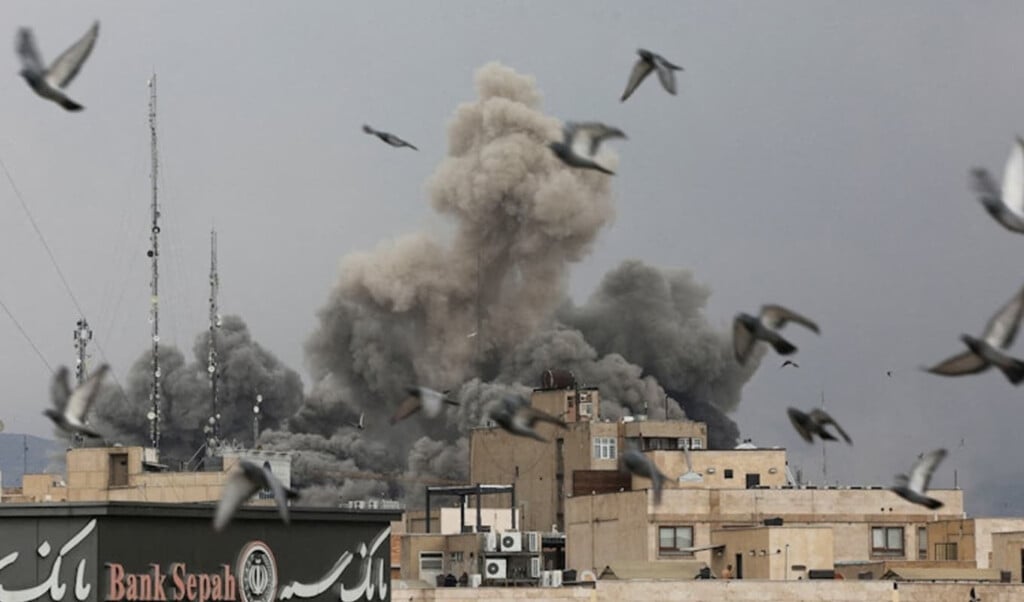
Global energy markets are facing heightened volatility following escalating military conflicts in the Middle East. The simultaneous surge in crude oil and gas prices, coupled with disrupted supply chains, has reverberated across energy-importing nations, including Bangladesh. Analysts warn that prolonged instability could push crude oil prices higher and create significant shortages in the country’s energy market.
Global Energy Situation
Tensions intensified after the United States and Israel launched strikes on Iran, prompting retaliatory measures. Maritime traffic in the Strait of Hormuz has been restricted, while Qatar has halted production and export of liquefied natural gas (LNG). Saudi Arabia’s state-owned oil company, Saudi Aramco, has closed its Ras Tanura refinery, adding further uncertainty to global supply.
These disruptions have already driven crude oil prices close to $80 per barrel, representing a 10% increase compared with last week. LNG prices on international markets have surged by 20–25%. A stronger US dollar has further elevated import costs. Experts suggest that, should the conflict persist, crude oil prices could surpass $100 per barrel.
Bangladesh’s Import Dependence
Bangladesh relies almost entirely on imports to meet its petroleum needs. Crude oil is primarily sourced from Saudi Arabia and the United Arab Emirates, while refined petroleum products arrive from China, Singapore, Malaysia, and Indonesia. Approximately 35% of domestic gas demand is supplied by LNG, mostly imported from the Middle East. Any disruption in the Strait of Hormuz could directly affect the country’s energy imports.
Domestic Fuel Stocks
The following table shows current reserves and the estimated duration they can cover domestic demand:
| Fuel Type | Stock (Tonnes) | Coverage (Days) |
|---|---|---|
| Diesel | 217,317 | 14–15 |
| Petrol | 21,705 | 17 |
| Octane | 34,133 | 31 |
| Furnace Oil | 78,278 | 60 |
Bangladesh Petroleum Corporation (BPC) noted that 100,000 tonnes of crude oil were scheduled to be loaded from Ras Tanura between 1–3 March. The refinery closure has cast uncertainty over this shipment, and heightened military surveillance in the Strait of Hormuz may delay vessel transit.
Gas Supply and LNG Imports
Domestic gas demand averages 3.8 billion cubic feet daily, with 2.65 billion cubic feet currently supplied, including 0.95 billion cubic feet from LNG. The government plans to increase LNG imports to 1.05 billion cubic feet during the summer peak to meet rising electricity demand. Any delay could lead to reduced power generation and potential load shedding.
This year, Bangladesh is set to import 115 LNG cargoes: 40 from Qatar, 16 from Oman, and 59 from the spot market. Military tensions may affect the timely arrival of these shipments.
Preparedness and Risks
Current diesel reserves are sufficient for approximately two weeks, with petrol and octane stocks adequate for 17 and 31 days, respectively. Experts caution that repeated shipment delays could strain agriculture, electricity, and transportation sectors.
State Minister for Power, Energy and Mineral Resources, Anindya Islam Amit, confirmed that the government is closely monitoring the situation and exploring alternative suppliers and schedules to mitigate supply disruptions. Analysts stress that Bangladesh may need to diversify energy import sources to avoid price spikes and shortages if global instability persists.