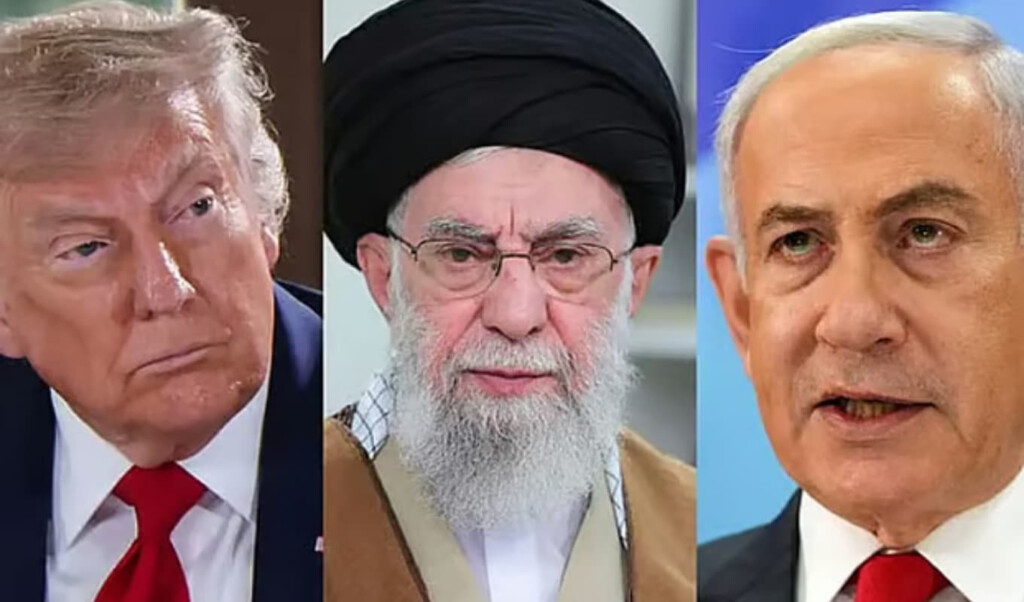
Following a joint military strike by the United States and Israel, Iran’s Supreme Leader, Ayatollah Ali Khamenei, has been reported killed, plunging the country into a period of acute political uncertainty. Despite the dramatic development, analysts caution that the nation’s leadership structure may not undergo immediate change.
U.S. officials have expressed caution, noting that Khamenei’s assassination does not necessarily guarantee a swift transformation of Iran’s ruling elite. In public statements both before and after the strike, former U.S. President Donald Trump signalled that Washington’s objectives included not only the neutralisation of Iran’s ballistic missile and nuclear programmes but also the removal of the current ruling establishment. He urged Iranian citizens to take to the streets in pursuit of freedom.
However, intelligence assessments suggest that Iran’s religious governance system, established since the 1979 revolution, is deeply entrenched and unlikely to collapse easily. According to a recent CIA briefing submitted to the White House, Khamenei’s successor could emerge from within the Islamic Revolutionary Guard Corps (IRGC) or among senior clerical figures. Nevertheless, IRGC officers are widely expected to resist voluntarily relinquishing power.
Current Political and Security Overview of Iran
| Issue | Details | Current Status |
|---|---|---|
| Interim Leadership | President Masoud Pajeshkian, Guardian Council members, Judiciary head | Temporary governance assumed by the ‘Leadership Council’ |
| Security Forces | Islamic Revolutionary Guard Corps (IRGC), Iranian national security | Maintaining control; capable of deploying force |
| Public Response | Protests, civil unrest | Previous crackdowns in January; growing public discontent |
| Foreign Intervention | United States and Israel | Post-strike incidents: fire at Jebel Ali port, school bombing; at least 150 casualties |
U.S. officials have acknowledged that Iran’s government remains under severe pressure, yet key security bodies, including the IRGC, continue to maintain a firm hold. State television has broadcast warnings from security chief Ali Larijani, cautioning the United States and Israel against attempts to destabilise the nation.
Reports indicate that a primary school was destroyed in the Israeli strike, causing at least 150 fatalities, most of whom were children. Concurrently, smoke was observed rising from the Jebel Ali port, signalling further disruption.
Former intelligence officer and U.S.-based researcher Jonathan Pankoff remarked, “The success of popular uprisings will depend heavily on the loyalties of lower-ranking security personnel. Their stance could determine whether the populace gains ground or the ruling elite consolidates control.”
Despite Washington’s interventions and messaging, analysts warn that a rapid overthrow of the Iranian regime is unlikely. Political uncertainty, public unrest, and ongoing foreign interference continue to shape a complex and volatile landscape, with the resilience of the ruling elite and the populace’s response serving as key determinants of the country’s immediate future.