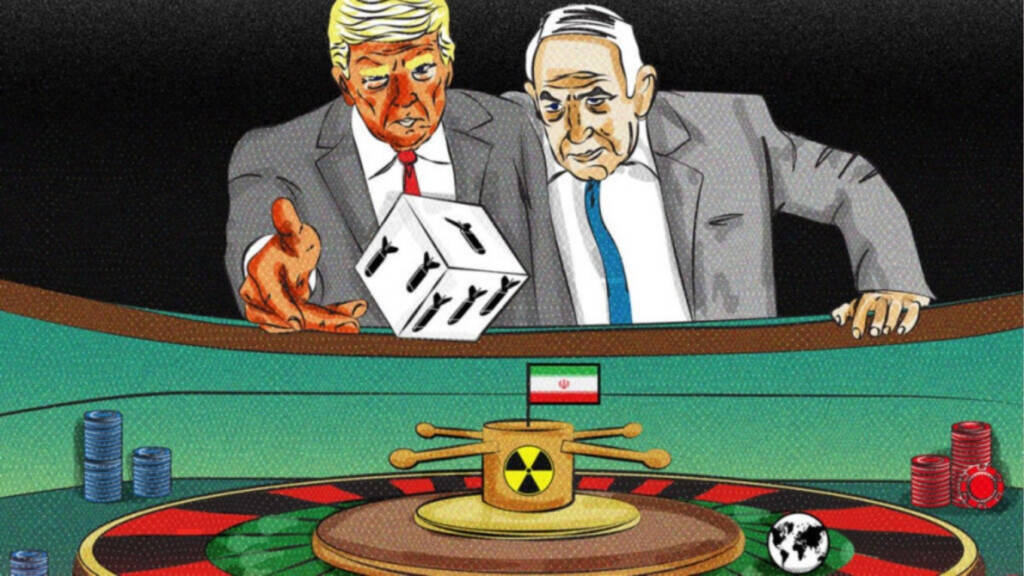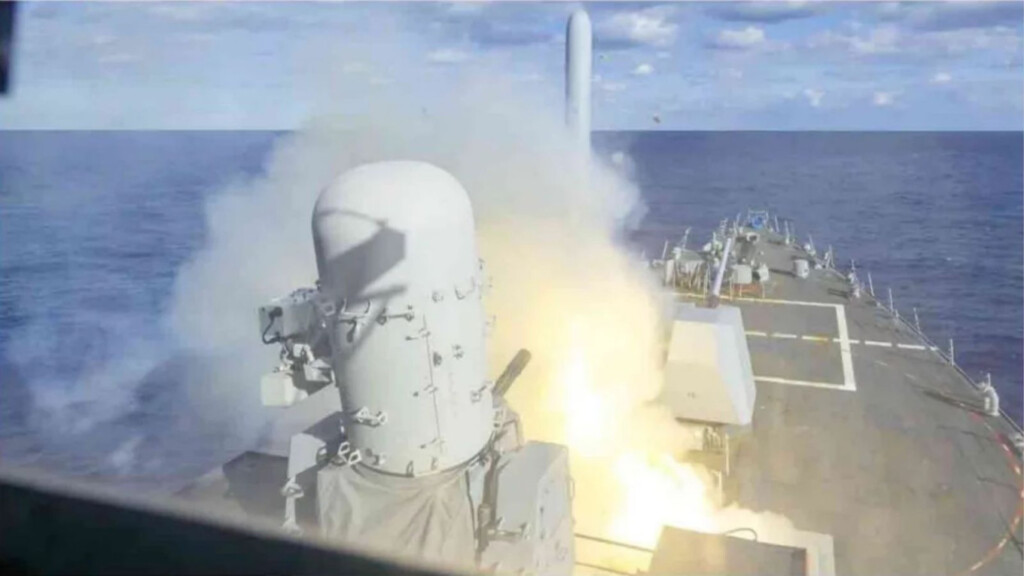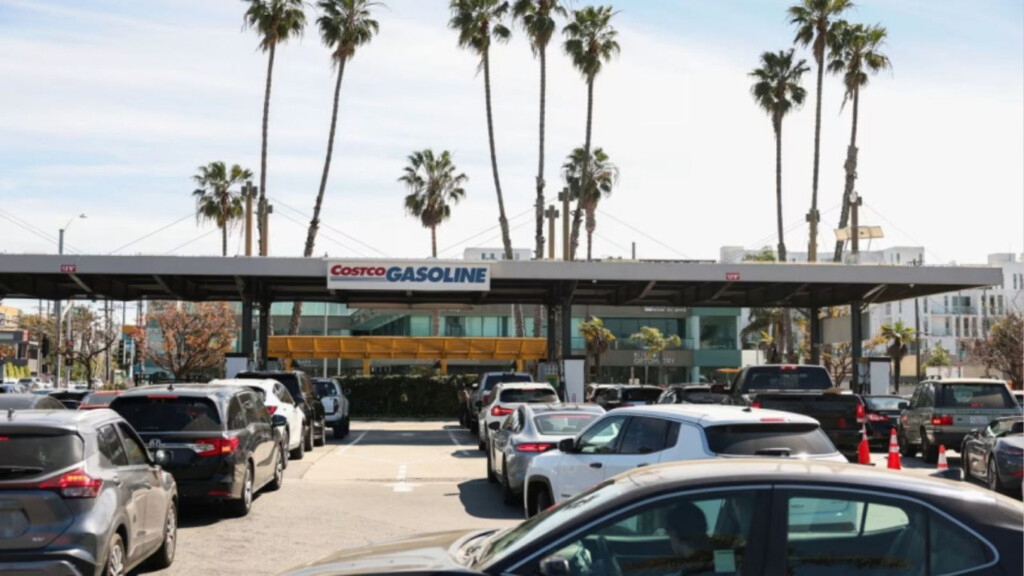
The United States is grappling with a historic spike in fuel costs as the geopolitical fallout from the joint US-Israeli military operations in Iran begins to rattle global energy markets. On Tuesday, the American Automobile Association (AAA) reported that the national average for a gallon of petrol jumped by 11 cents, reaching $3.11. This represents the sharpest single-day price hike since the aftermath of Hurricane Katrina in 2005, marking a twenty-year high in terms of upward volatility.
The Hormuz Bottleneck and Supply Disruptions
The primary catalyst for this sudden inflationary pressure is the effective closure of the Strait of Hormuz, a vital maritime chokepoint through which approximately one-fifth of the world’s oil consumption passes. Following the initial strikes on Iranian soil, Tehran has launched retaliatory drone and missile attacks against key Western allies in the region, including the United Arab Emirates, Kuwait, Qatar, and Saudi Arabia.
These targeted strikes on energy infrastructure and the resulting naval blockades have created a “risk premium” in the crude oil market. On Tuesday, oil prices on the US market surged by 7%, settling at $76 per barrel. This followed a 6% increase on Monday, indicating a compounding trend of market anxiety.
Energy Market Impact Data
| Metric | Previous Standing | Current Level (Tuesday) | Percentage Change |
|---|---|---|---|
| Average Petrol Price (Gallon) | $3.00 | $3.11 | +3.7% |
| US Crude Oil (Barrel) | $71.00 | $76.00 | +7.0% |
| Single-Day Price Jump | N/A | 11 Cents | Highest since 2005 |
| Strategic Chokepoint Status | Open | Closed/Highly Restricted | Critical |
Economic Outlook: Relief at the Pump?
Despite the alarming rise in crude oil futures, some economists suggest that the impact on individual consumers might eventually stabilise. Speaking to CNN, David Oxley, an economist at the research firm Capital Economics, noted that while crude prices dictate the headlines, the retail price at the pump is influenced by a complex web of refining margins, taxes, and distribution costs. “The price paid at the pump is actually a very small portion of the overall global energy equation,” Oxley remarked.
However, the psychological impact of the “Katrina-level” jump cannot be understated. As the conflict enters its second week, the persistence of high prices will depend largely on how quickly the Strait of Hormuz can be reopened to commercial shipping. For now, American motorists are facing the most expensive and volatile energy landscape in two decades, with no immediate end to the regional hostilities in sight.