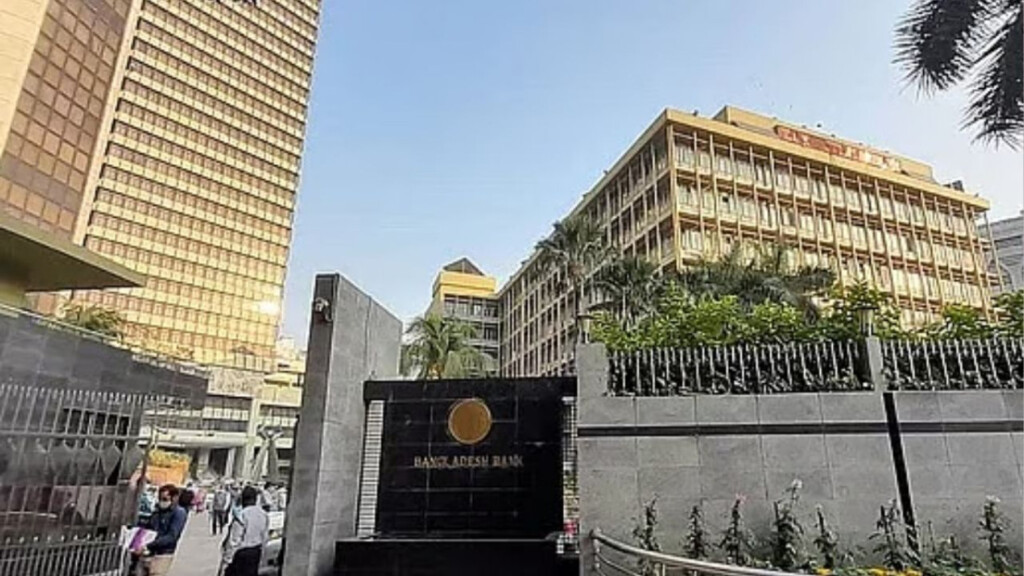
The financial landscape of Bangladesh has been jolted by the sudden resignation of renowned economist Dr Sadiq Ahmed from the Monetary Policy Committee (MPC) of Bangladesh Bank. This high-profile departure coincided with the abrupt postponement of a critical meeting intended to slash interest rates, signaling a burgeoning rift within the nation’s top monetary authority.
A Contested Shift in Monetary Policy
Under the fresh leadership of Governor Mostakur Rahman, the central bank had been poised to pivot towards an expansionary monetary stance. A meeting was scheduled for Wednesday to discuss lowering the policy rate—currently standing at 10%—by an estimated 25 to 50 basis points.
The Governor’s primary objective was to reduce the cost of borrowing to stimulate economic activity. However, this move has invited significant scrutiny from analysts who argue that easing rates prematurely could exacerbate the country’s already stubborn inflationary pressures. The sudden cancellation of the meeting, now reportedly deferred until after the Eid holidays, suggests that internal dissent has reached a boiling point.
The Departure of an Institutional Heavyweight
Dr Sadiq Ahmed, the Vice-Chairman of the Policy Research Institute (PRI) and a former senior official at the World Bank, was the sole member of the seven-person MPC nominated directly by the Board of Directors. His resignation is seen as a significant blow to the committee’s technical credibility.
While the official reasons for his exit remain undisclosed, central bank insiders suggest a clear link between his resignation and the Governor’s aggressive push to lower rates despite high inflation.
Structure of the Monetary Policy Committee (MPC)
The MPC is designed to balance internal central bank expertise with external academic and research perspectives. The current composition is as follows:
| Name | Designation | Affiliation |
|---|---|---|
| Md. Mostakur Rahman | Chairman (Governor) | Bangladesh Bank |
| Md. Habibur Rahman | Member (Deputy Governor) | Bangladesh Bank |
| Md. Akhtar Hossain | Member (Chief Economist) | Bangladesh Bank |
| A.K. Enamul Haque | Member (Director General) | BIDS |
| Ferdousi Nahar | Member (Chairman, Economics) | Dhaka University |
| Mahmud Salahuddin Naser | Member (Executive Director) | Bangladesh Bank |
| Dr Sadiq Ahmed | Resigned Member | PRI / World Bank |
Economic Implications and Market Reaction
The postponement of the rate-cut meeting has left the banking sector and private investors in a state of limbo. A.K. Enamul Haque, Director General of the Bangladesh Institute of Development Studies (BIDS), confirmed that members were notified of the cancellation on Tuesday afternoon.
Critics point out that with inflation still hovering at uncomfortable levels, a “dovish” turn in policy might weaken the Taka and erode purchasing power. The departure of Dr Ahmed, an advocate for rigorous, data-driven fiscal discipline, underscores the tension between political pressure for cheaper credit and the economic necessity of price stability.
As the central bank navigates this leadership crisis, all eyes remain on Governor Rahman to see if he will continue the pursuit of lower rates or bow to the growing chorus of cautious economists.