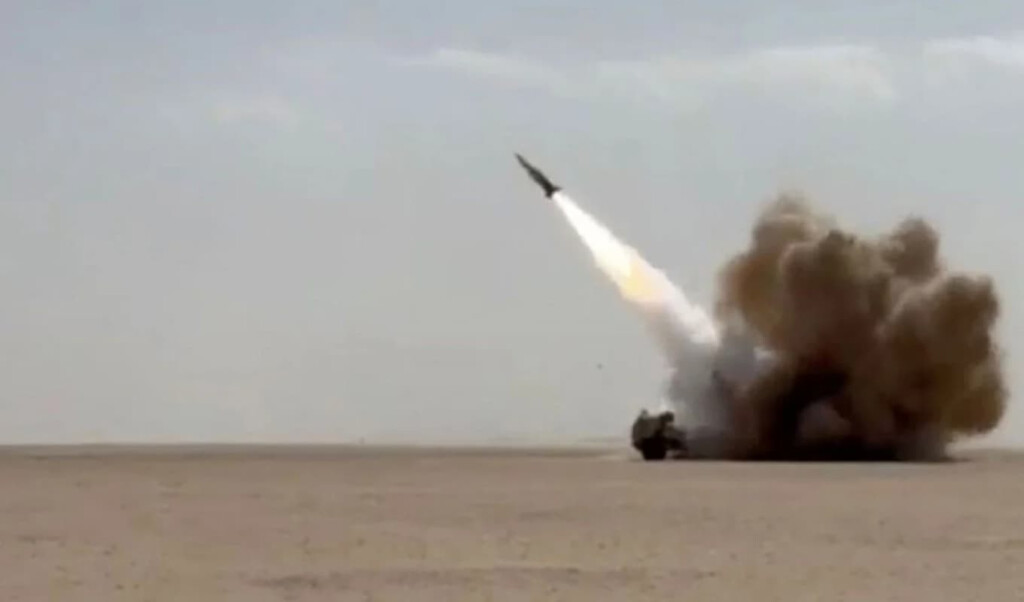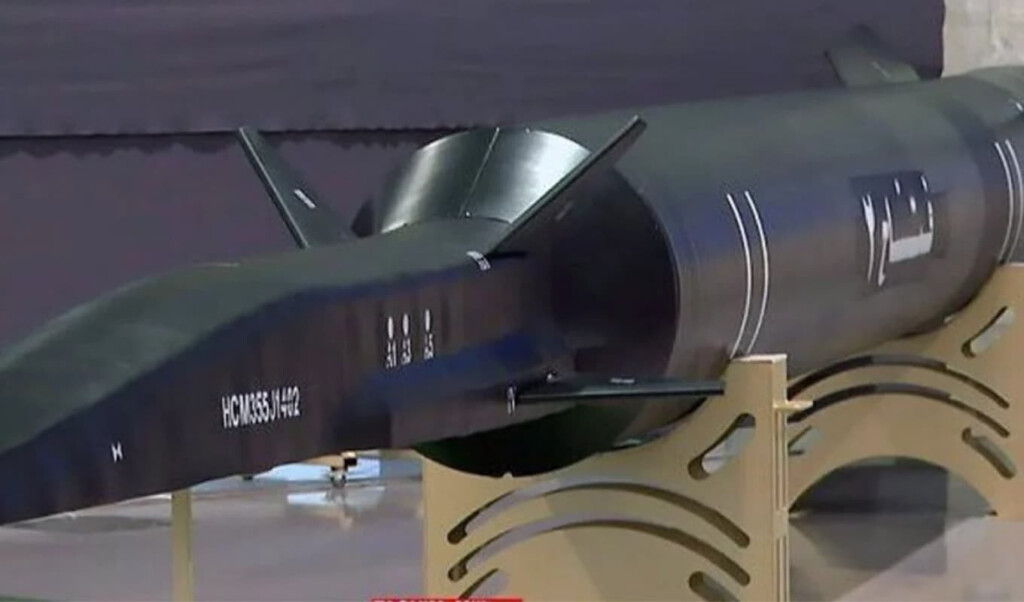
Renowned military periodical Military Watch Magazine has reported that Iran’s domestically developed Fattah-2 hypersonic missile is currently almost impossible to intercept using conventional air defence systems. According to a recent report, during military operations that began on 1 March, the missile successfully struck at least three high-value Israeli targets.
The Fattah-2 employs hypersonic glide vehicle (HGV) technology, which enables it to manoeuvre strategically at extremely high speeds in the upper layers of the atmosphere. This advanced capability allows the missile to alter its trajectory unpredictably, making it exceptionally difficult for conventional radar and interceptor systems to track or neutralise.
The report cites Yuval Baseski, Vice President of Israel’s leading missile defence company Rafael, who acknowledged in August that current defence systems are primarily designed to target objects travelling along predictable paths. However, intercepting a missile like the Fattah-2, which reaches speeds up to ten times the velocity of sound (Mach 10), would require defensive systems to respond at approximately thirty times the speed of sound. Such velocities generate immense atmospheric friction, rendering existing technology ineffective.
Military analysts note that the United States and Israel have previously faced significant challenges countering Iran’s older ballistic missiles. The introduction of hypersonic technology adds a new layer of complexity, creating an unprecedented strategic dilemma. While Israel is reportedly considering the development of a specialised “zone defence” system capable of countering such threats, experts suggest that implementation could take decades and require billions of dollars in investment.
The following table summarises the Fattah-2 missile’s key technological features alongside the limitations of Israel’s conventional defence systems:
| Feature | Fattah-2 Missile | Conventional Israeli Defence |
|---|---|---|
| Speed | Mach 10 (~12,300 km/h) | No more than 1–2 times the speed of sound |
| Technology | Hypersonic Glide Vehicle | Ballistic tracking and interceptors |
| Manoeuvrability | Strategic trajectory changes at high altitude | Limited, follows pre-determined paths |
| Interception Feasibility | Nearly impossible | Effective against ballistic missiles only |
| Implementation Cost | – | Special zone defence: billions of dollars and decades required |
Current military assessments indicate that the Fattah-2 could penetrate Israel’s missile defence shield without obstruction, significantly heightening instability across the Middle East. The emergence of such advanced hypersonic capabilities underscores the growing urgency for nations to invest in next-generation air defence technologies or risk strategic vulnerabilities in a region already fraught with tension.