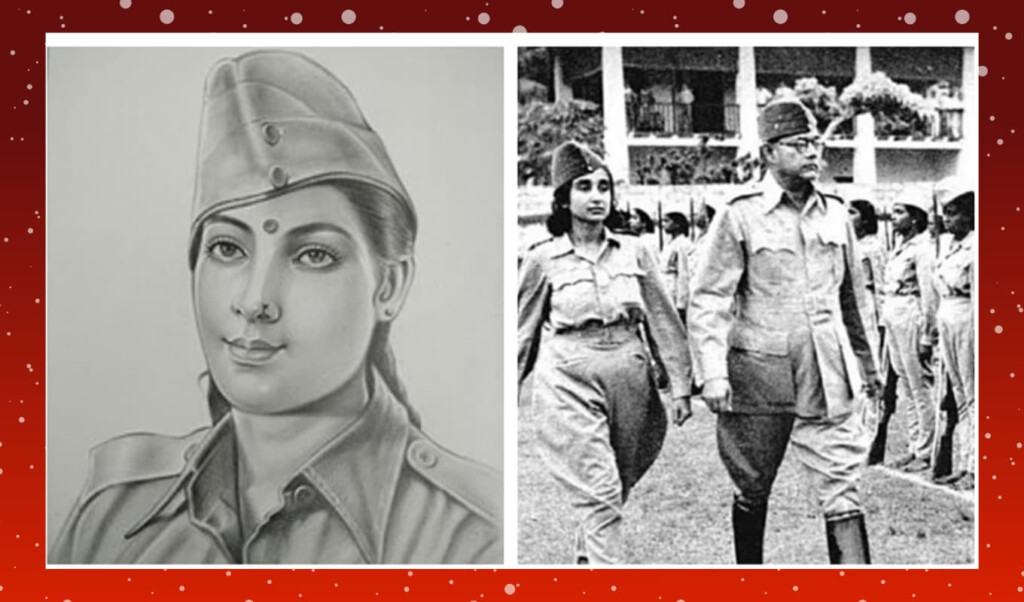
In the vast narrative of India’s struggle for independence, many remarkable figures remain overshadowed by time. Among them is the extraordinary story of Neera Arya, a courageous member of the Rani of Jhansi Regiment who, according to historical accounts and popular lore, placed loyalty to her nation above personal ties. Her story is often remembered for a dramatic and tragic episode: the killing of her own husband in order to protect Subhas Chandra Bose.
A Moment of Historic Peril
During the turbulent years of the Second World War, Bose had established the Indian National Army to fight British colonial rule. Within this force, the Rani of Jhansi Regiment served as an all-women combat unit, symbolising both patriotism and women’s participation in the freedom struggle.
According to widely circulated accounts, a British-aligned officer named Shrikant Jayaranjan Das was involved in a conspiracy to assassinate Bose. One day, seizing an opportunity, he reportedly opened fire on Bose. The shot, however, missed its intended target and instead struck the driver of Bose’s vehicle.
Witnessing the attack, Neera Arya reacted instantly. Without hesitation, she used her bayonet to strike the assailant, killing him in order to save the nationalist leader. Only afterwards did a shocking truth emerge: the man she had killed was none other than her own husband, Shrikant Jayaranjan Das.
The episode became emblematic of uncompromising patriotism. Deeply moved by her courage and sacrifice, Bose is said to have bestowed upon her the title “Nagini”, a symbolic acknowledgement of her fierce devotion.
Early Life and Education
Neera Arya was born on 5 March 1902 in Khekra, a town in the Baghpat district of Uttar Pradesh. Her father, Seth Chhajumal, was a prosperous businessman whose work brought the family to Kolkata for many years.
Growing up in a cosmopolitan environment, Arya received a good education and became fluent in several languages, including English, Hindi and Bengali. From an early age she developed a strong sense of patriotism, inspired by the growing national movement against British colonial rule.
Yet fate placed her in a deeply conflicted situation. She married Shrikant Jayaranjan Das, a man loyal to the British administration. Their ideological differences were stark: while Arya supported the independence movement, her husband was aligned with the colonial government.
Role in the Independence Movement
Determined to contribute actively to India’s freedom, Arya later joined Bose’s Indian National Army. She served not only as a soldier in the Rani of Jhansi Regiment but also reportedly acted as a spy, gathering intelligence on British military activities and passing it on to INA leadership.
Her involvement eventually brought severe consequences. The British authorities arrested her and accused her of murdering her husband. She was sentenced to harsh imprisonment and subjected to severe treatment during incarceration. Despite this, she reportedly refused to abandon her commitment to the independence cause.
Life After Independence
When India finally gained independence in 1947, Arya was released from prison. Yet freedom did not bring comfort or recognition. Like many unsung veterans of the struggle, she lived much of her later life in poverty and obscurity.
In her final years she survived by selling flowers on the streets, a stark contrast to the dramatic heroism associated with her past.
Key Facts About Neera Arya
| Aspect | Details |
|---|---|
| Full Name | Neera Arya |
| Born | 5 March 1902 |
| Birthplace | Khekra, Baghpat district, Uttar Pradesh |
| Organisation | Indian National Army (Azad Hind Fauj) |
| Unit | Rani of Jhansi Regiment |
| Known For | Allegedly killing her husband to protect Subhas Chandra Bose |
| Death | 26 July 1998 |
| Later Life | Lived in poverty, reportedly selling flowers |
A Legacy Largely Forgotten
Neera Arya died on 26 July 1998, reportedly in near destitution. Despite the dramatic and symbolic nature of her story, recognition for her sacrifice has remained limited.
Nevertheless, in folk traditions, oral histories and narratives of the independence movement, “Neera Nagini” endures as a powerful symbol of patriotism, courage and sacrifice. Her life illustrates the profound moral dilemmas and personal costs that many individuals endured in the struggle for India’s freedom.
Remembering figures like Neera Arya serves as a reminder that history is shaped not only by famous leaders but also by countless unsung heroes whose devotion to a cause surpassed even the deepest personal bonds.