Amid escalating conflict in the Middle East, global crude oil supplies have tightened, driving up international fuel prices. Bangladesh is now facing the risk of a domestic fuel shortage, prompting vehicle owners to rush to filling stations and purchase excessive quantities. In response, the Bangladesh Petroleum Corporation (BPC) has issued directives limiting the daily amount of fuel that can be collected from fuel stations.
According to the BPC circular issued on Friday, 6 March, a single motorcycle is allowed to receive a maximum of two litres of petrol or octane per day, while private cars may obtain up to ten litres.
For larger vehicles, the limits are higher: SUVs and microbuses can draw 20–25 litres daily, while pickups and local buses are restricted to 70–80 litres. Long-distance buses, trucks, covered vans, and container trucks may take 200–220 litres per day.
Daily Fuel Allocation per Vehicle Type
| Vehicle Type | Daily Limit (Litres) |
|---|---|
| Motorcycle | 2 |
| Private Car | 10 |
| SUV / Microbus | 20–25 |
| Pickup / Local Bus | 70–80 |
| Long-Distance Bus / Truck / Covered Van / Container Truck | 200–220 |
The circular emphasises that Bangladesh imports nearly 95% of its consumed fuel. In the current volatile global situation, import schedules can occasionally face delays. Reports circulating on media and social platforms have exacerbated public concern, leading to an unusual surge in demand. Some dealers have reportedly attempted to stockpile fuel from depots beyond their usual requirements.
BPC clarified that excessive stockpiling by both consumers and dealers is being monitored by the Department of Energy and Mineral Resources and other relevant authorities. The corporation reassured the public that import schedules remain on track and that shipments continue to arrive regularly. Fuel is being distributed from major depots to regional stations via rail wagons and tankers, ensuring that adequate buffer stocks will soon be available nationwide.
To ensure compliance, filling stations are instructed to issue receipts specifying the type, quantity, and price of fuel. Customers must present previous receipts when purchasing additional fuel. Dealers are required to review their allocation and inventory before dispensing fuel, and under no circumstances can sales exceed the prescribed limits.
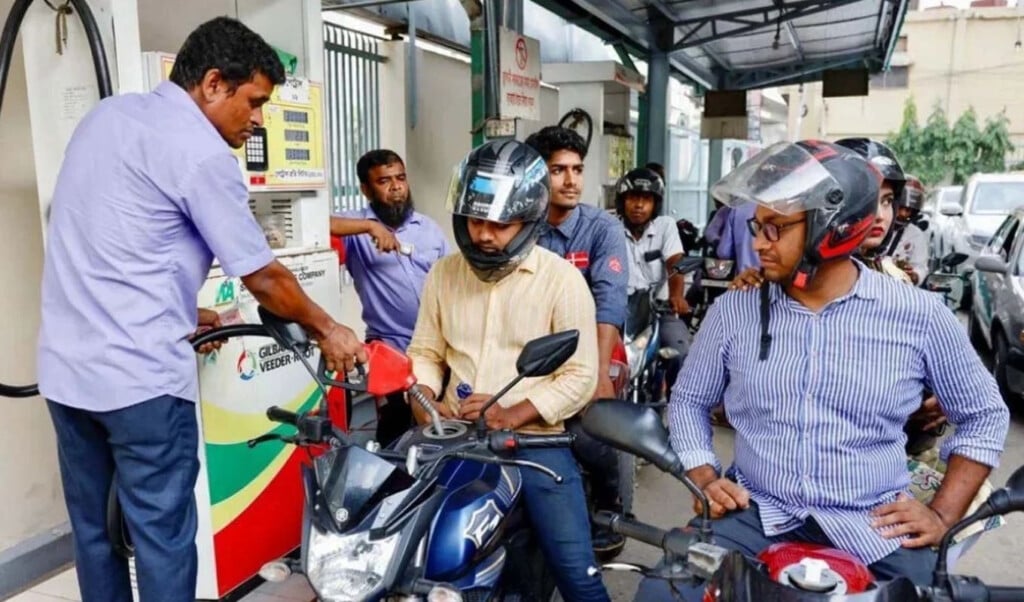
Despite the restrictions, large crowds have been reported at various stations in the capital, even on public holidays. Incidents of disputes and minor altercations among motorists have been observed as people queue for petrol. One ride-sharing driver reported waiting approximately 50 minutes to refuel, consuming 400–500 takas worth of petrol daily.
The Department of Energy and Mineral Resources has reiterated that there is no cause for alarm: national fuel stocks remain sufficient, and the current surge in consumer demand is driven by anxiety rather than actual scarcity.