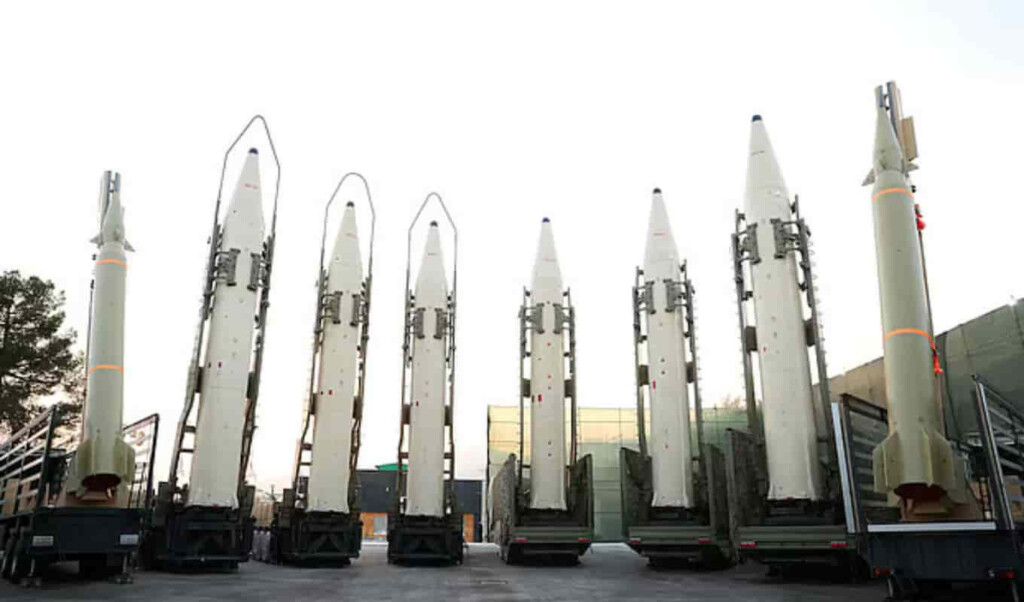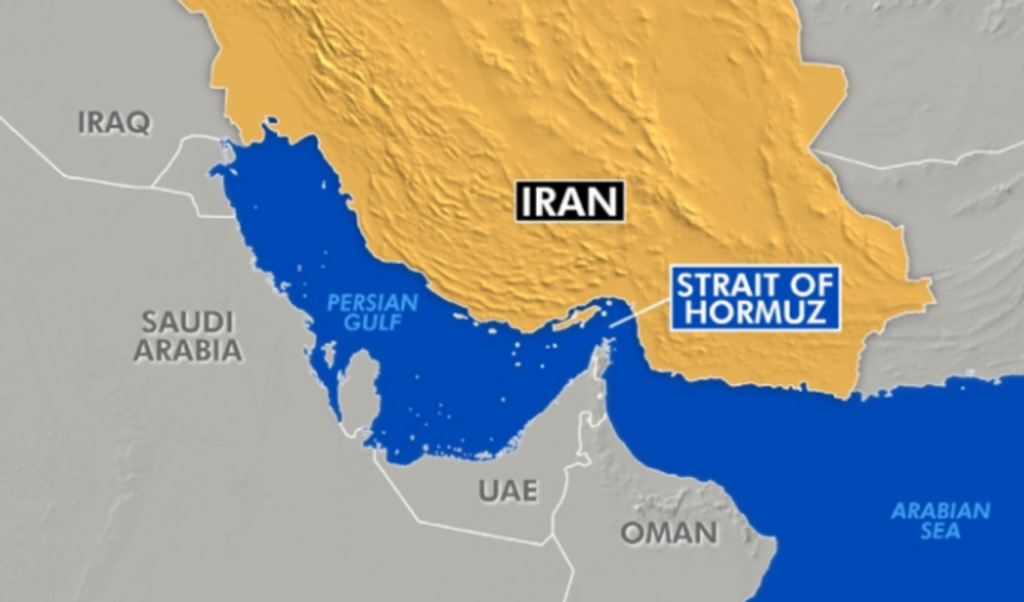
Amid the ongoing Middle East conflict, Iran has clarified its position regarding the strategic Strait of Hormuz, a vital maritime chokepoint for global energy shipments. A spokesperson for Iran’s military, speaking on state television, stated that there are no plans to close the strait entirely, but issued a stark warning for vessels linked to the United States or Israel.
Iran’s Statement on Maritime Traffic
The unnamed Iranian military official emphasised that:
Any ship wishing to traverse the Strait of Hormuz is not automatically prohibited, but must assume responsibility for its own safety.
Vessels affiliated with Israel or the US will be considered potential targets if they attempt to pass through the strait.
The spokesperson said:
“We will not obstruct vessels willing to cross the Strait of Hormuz, but the security of the voyage will be the responsibility of the ship itself. Any ship associated with the Zionist entity or the United States will be targeted.”
This announcement appears to balance a declaration of military resolve with a recognition of the strait’s importance to international trade.
Strategic Importance of the Strait
The Strait of Hormuz connects the Persian Gulf with the Gulf of Oman, stretching approximately 39 kilometres (24 miles) at its narrowest point. It is one of the world’s most critical maritime passages for energy shipments, transporting roughly:
One-sixth of global oil supplies
One-third of the world’s liquefied natural gas (LNG)
According to Al Jazeera, the strait’s strategic value means that any disruption can have far-reaching effects on global energy markets.
Disruption Amid Conflict
Due to ongoing military actions between Iran, the United States, and Israel, shipping through the strait has been severely curtailed. Reuters reports that global oil and LNG deliveries may be reduced by 20% as a result.
Data from shipping analysts Vortexa and Kepler show:
| Parameter | Details |
|---|---|
| Average daily vessel traffic (Jan) | 24 ships/day |
| Current daily vessel traffic | 4 ships/day |
| Oil tankers trapped in strait | ~300 |
| Length of Strait | 39 km (24 miles) |
| Key commodities transported | Oil (1/6 of global supply), LNG (1/3 of global supply) |
| Vessels at risk | US- and Israel-linked ships |
Previously, the Iranian government had announced that vessels from the United States, Israel, and their European allies would not be allowed passage. No guidance had been issued regarding Chinese vessels at that time, leaving Beijing’s shipping interests unaffected by the initial warning.
Implications for Global Trade
Shipping through the Strait of Hormuz is critical for the movement of oil and LNG. The current reduction in vessel traffic and the warning against US- and Israel-affiliated ships have significant implications for energy markets, including potential spikes in global oil and gas prices.
Analysts warn that prolonged tensions could further jam international shipping, straining supply chains and amplifying economic uncertainty worldwide. With nearly 300 tankers currently trapped within the strait, immediate diplomatic engagement may be required to prevent escalation and restore safe maritime passage.
Iran’s latest announcement underscores the dual strategy of maintaining international trade while projecting military deterrence, signalling that the strait will remain operational for neutral parties but potentially dangerous for adversary-aligned vessels.