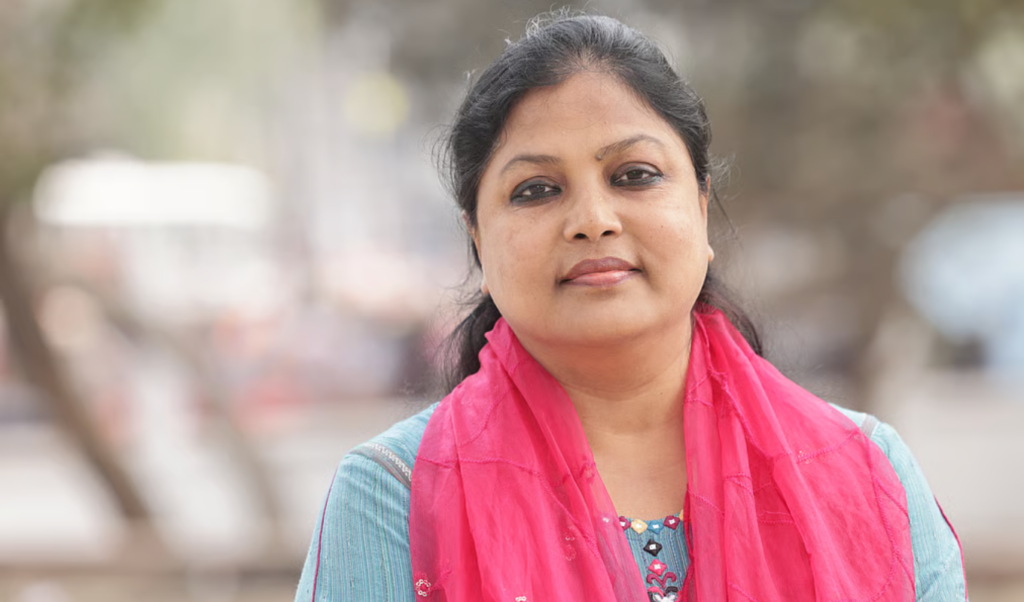
Within the solemn corridors of Dhaka Medical College, Dr. Momtaz Ara moves with a calm assurance that contrasts sharply with the grim realities of her profession. A forensic medicine specialist with over 15 years of experience, she has conducted more than 1,000 post-mortems, examining bodies ranging from freshly deceased individuals to severely decomposed or skeletal remains. Her composure, she says, is the product of years spent facing death and the stark truths it reveals.
First Impressions
“I once received just two hands for examination,” Dr. Momtaz recalls. “From them alone, I could estimate the victim’s age at 30–35. I performed the hand post-mortem, while another doctor would examine the rest of the body if and when it arrived.”
Such work would be unsettling for most, yet Dr. Momtaz remains unflinching. Her resilience is not indifference but stems from rigorous training, discipline, and commitment to justice.
Choosing Forensic Medicine
After completing her MBBS at Rangpur Medical College, Dr. Momtaz began teaching at Tairunnnesa Memorial Medical College, Gazipur. There, Professor Bibhutibhushan Sarkar encouraged her to pursue postgraduate studies in forensic medicine.
“I initially wanted to specialise in gynaecology,” she says. “But Professor Sarkar insisted I had the courage for forensics. His faith in me was pivotal.”
In 2009, she enrolled in a Diploma in Forensic Medicine at Sir Salimullah Medical College. Early in her training, she recognised the critical need for female forensic doctors, particularly to examine women and children, as mandated by the High Court.
“Forensic medicine is not just post-mortems,” she explains. “It includes rape examinations, age and sex determination, and paternity or maternity tests. Female victims must be examined by female doctors, yet Bangladesh has far too few.”
Early Career Challenges
Her first posting in Purbadhala, Netrokona, involved verifying injuries in minor scuffles, where many individuals exaggerated wounds for personal gain. She quickly learned to navigate threats and manipulation.
“I’m firm. I record exactly what I observe. Sometimes that frustrates others, but I always aim to provide reports promptly,” she says.
Her career has also brought her to catastrophic events, from the 2019 Churihatta fire to the 2024 July civil unrest, confronting burned, decomposed, or skeletal remains. Yet she admits, fear never overtook her.
“Fear disappears during medical training,” she explains.
Memorable Cases
Dr. Momtaz recounts examining a five-year-old girl with multiple injuries, left in the care of relatives after losing her parents. She has also investigated maternal deaths arising from poverty or domestic conflict, experiences that have left lasting impressions.
| Parameter | Detail |
|---|---|
| Years of Experience | 15 |
| Post-Mortems Conducted | >1,000 |
| Training Institutions | Rangpur Medical College, Sir Salimullah Medical College |
| Specialisations | Post-mortem, rape examination, age/sex determination, paternity testing |
| First Posting | Purbadhala, Netrokona |
| Notable Events Witnessed | 2019 Churihatta Fire, 2024 July unrest |
Commitment to Justice
Dr. Momtaz finds fulfilment in delivering justice. Witnessing families attain closure through her work is her greatest reward.
“I believe in fate. Perhaps this was meant for me. Every day, I hope no bodies arrive in the morgue—but that wish has never been granted.”
Her story reflects the resilience, courage, and dedication required of forensic specialists in Bangladesh, particularly female doctors, who navigate danger, ethical dilemmas, and emotional challenges—all in pursuit of truth and justice.