“Today’s actions, tomorrow’s justice: safeguarding the rights of women and girls.” This is the rallying theme under which International Women’s Day is observed worldwide, and Bangladesh joins the global commemoration on Sunday, 8 March.
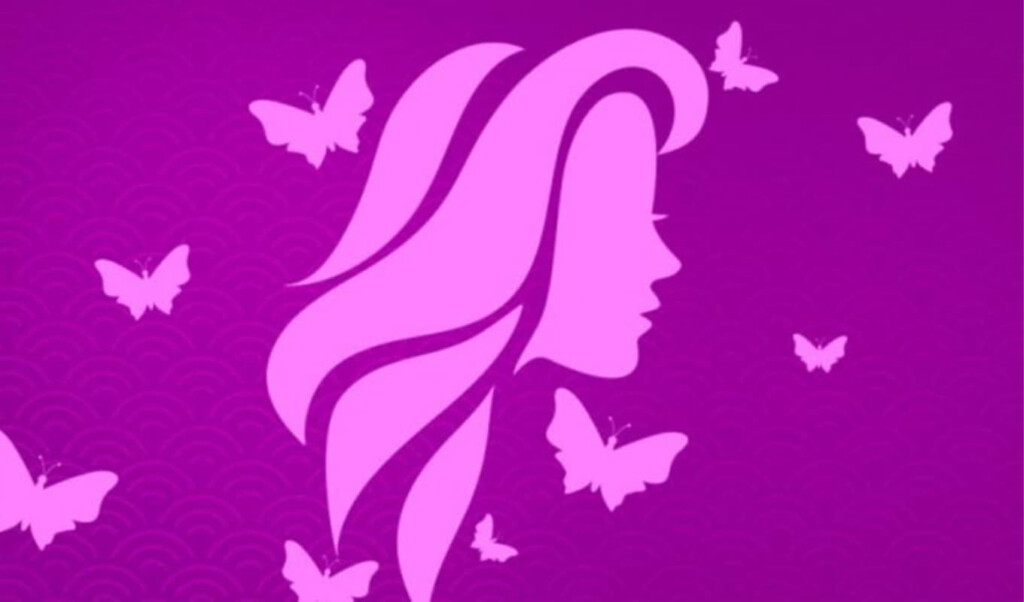
Each year, as the day approaches, a particular colour dominates social media posts, campaign banners, and celebratory events—purple. Many participants don purple attire, ribbons, or badges to mark the occasion. Yet, the historical significance of this colour is not widely known.
The origins of purple as a symbol of women’s rights trace back to the early twentieth century in the United Kingdom. At that time, the Women’s Social and Political Union (WSPU) campaigned vigorously for women’s suffrage. The organisation adopted three colours as its emblem: purple, white, and green. According to WSPU, purple symbolised dignity and justice, white represented purity, and green signified hope.
Over the years, these colours became deeply associated with the global women’s rights movement. Today, purple stands out as the primary colour of International Women’s Day, conveying messages of respect, justice, and female empowerment.
| Colour | Historical Meaning | Contemporary Significance |
|---|---|---|
| Purple | Dignity, Justice | Women’s empowerment, equality |
| White | Purity | Moral integrity, peace |
| Green | Hope | Growth, progress |
Beyond activism, purple holds cultural and artistic significance. Historically, it has been associated with royalty, prestige, and honour. Across various cultures, it is also seen as a symbol of strength, self-respect, and creativity.
Psychological studies further emphasise the impact of colour on human emotion and behaviour. Research indicates that purple can evoke creativity, sensitivity, and a sense of dignity. It establishes a symbolic connection between visual perception and social meaning, reinforcing its use as a marker of solidarity and awareness.
Thus, wearing purple on International Women’s Day is far more than a ceremonial gesture. It embodies the long history of the women’s rights movement, commemorates struggles endured, and signals aspirations for future equality. A simple purple badge, ribbon, or garment can carry the weight of a social movement, transforming personal expression into a collective symbol of empowerment.