Bangladesh, once hailed as a model for women’s empowerment, appears to be moving in reverse. Recent studies indicate a declining participation of women in the labour market, persistent gaps in higher education, and diminishing presence in political leadership. Disturbingly, incidents of violence against women and child marriage are on the rise, posing significant challenges to national development and gender equality.
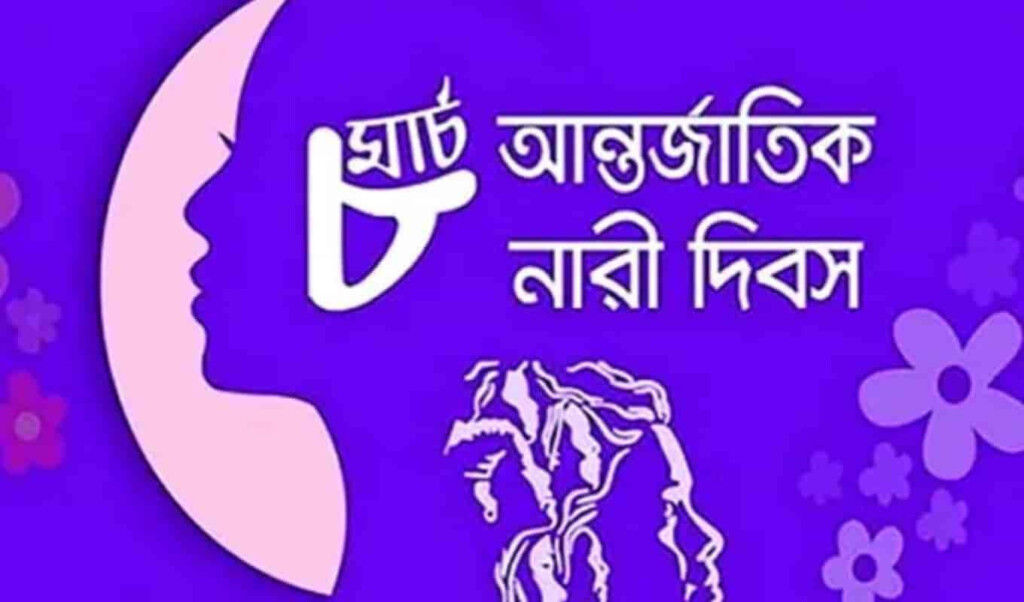
This year, International Women’s Day is being observed under the theme: “Rights, Justice, and Opportunity for All Women.” In a message marking the occasion, Prime Minister Tarek Rahman extended his greetings to women across the country, emphasising the vision of a Bangladesh where men and women enjoy equal rights and opportunities.
Declining Female Participation in the Workforce
Women’s participation in the labour market has declined due to a combination of social, economic, and structural factors, including family responsibilities, difficulties returning to work after maternity leave, lack of safe transportation, and insufficient women-friendly workplaces. According to the Bangladesh Bureau of Statistics (BBS) Labour Force Survey 2024, the total labour force decreased from 73.4 million in 2023 to 71.7 million in 2024—a drop of 1.7 million, largely attributable to a reduction in female participation.
| Year | Total Labour Force (millions) | Female Participation Trend |
|---|---|---|
| 2023 | 73.4 | Declining |
| 2024 | 71.7 | Further decline observed |
Experts advocate for greater access to technical and technology-based education for women, alongside supportive workplace policies, including day-care facilities for working mothers. Incentivising women to continue higher education and linking educational attainment to labour market opportunities could help reverse this trend.
Education: Progress and Persistent Gaps
While girls outperform boys in primary and secondary education, they lag behind in higher education, particularly at the university level. Structural barriers, poverty, early marriage, sexual harassment, lack of safe transport, and residential hall shortages contribute to declining female enrolment.
| Education Level | Female Student Share (%) |
|---|---|
| Primary | 51.21 |
| Secondary | 54.84 |
| Higher Secondary | 50.75 |
| University (Public) | 48–52 |
| University (Private) | <47 |
| Technical & Vocational | Significantly lower |
Political Participation
Women’s involvement in politics has also declined. In the 13th National Parliamentary Election, female candidates constituted only 4% of total participants, with only seven out of 85 female contenders elected. ActionAid Bangladesh reports that women’s political participation is now at its lowest level in 25 years, hindered by structural barriers, gender-based violence, and cyber harassment.
Violence and Child Marriage
The year 2025 saw a significant rise in violence against women. Reported cases of rape and domestic violence doubled compared to 2024. According to UNFPA, 51% of girls in Bangladesh are married before turning 18, with many becoming mothers at a very young age, increasing health risks.
Civil society leaders emphasise that women’s empowerment is broader than wage increases or employment. Shirin Parvin Haque, founder of Naripokkho, argues that genuine empowerment requires fundamental societal change, recognition of women as equal human beings, and creation of a supportive environment for women across all spheres.
As Bangladesh observes International Women’s Day, these sobering statistics underscore the urgent need for policy interventions, social reforms, and community action to restore progress on women’s empowerment and ensure rights, justice, and opportunities for all women.