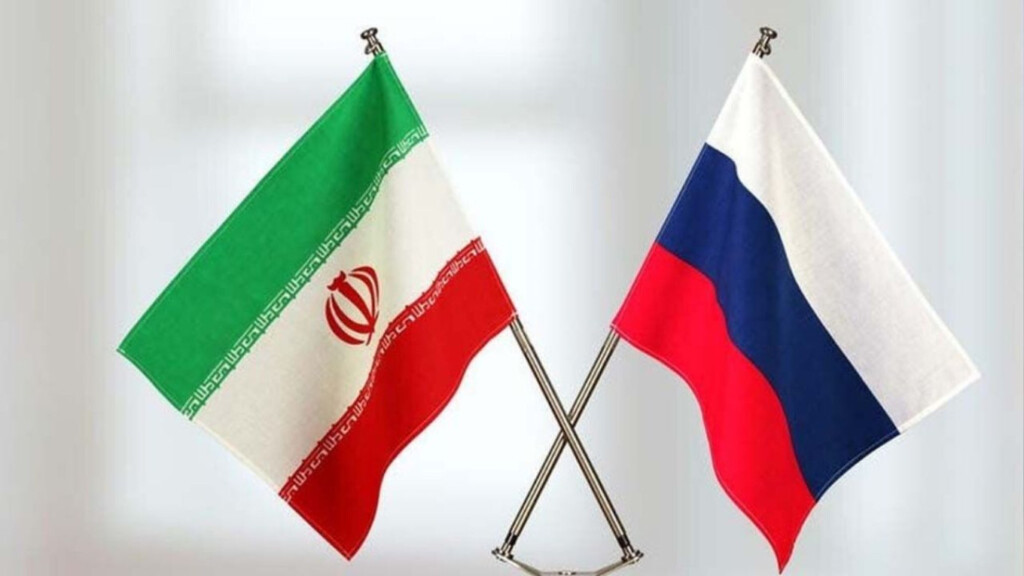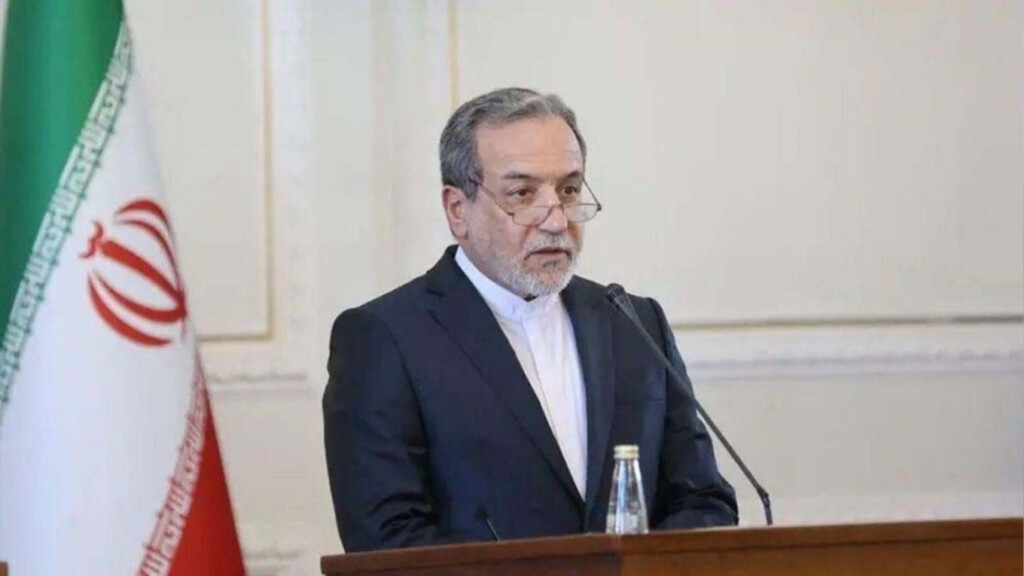
The Iranian Foreign Minister, Abbas Araghchi, has issued a staunch rebuttal to international interference regarding the country’s leadership, asserting that the selection of the next Supreme Leader is a strictly internal matter. Speaking to NBC on Sunday, 8th March, Araghchi clarified that the Assembly of Experts—the clerical body responsible for the succession—is operating according to constitutional protocols to appoint a successor following the death of Ayatollah Ali Khamenei.
Sovereignty and Domestic Protocols
The Foreign Minister’s comments come at a time of extreme regional volatility. Araghchi emphasised that despite the ongoing conflict and external pressures, Iran’s political institutions remain functional. He noted that the President, the Cabinet, and the Parliament are continuing their duties while the Assembly of Experts deliberates on the nation’s future “helmsman.”
“This is a domestic issue for the Iranian people,” Araghchi told NBC. “We allow no foreign interference in our sovereign affairs. The decision rests solely with the Assembly of Experts and the citizens of Iran.”
Rejection of Trump’s Ultimatum
The diplomatic friction was exacerbated by recent remarks from US President Donald Trump, who claimed that any new Iranian leader would require Washington’s “approval” to remain in power. Trump warned of “severe consequences” should Tehran appoint a successor he deems unacceptable.
Araghchi dismissed these assertions as an affront to international law and Iranian independence. He maintained that the era of foreign powers dictating the leadership of Middle Eastern nations is over, reinforcing that the “business of the Iranian people” will not be subject to a veto from the White House.
Key Institutions in the Succession Process
Under the Iranian Constitution, the transition of power is governed by several high-level bodies:
| Body | Primary Responsibility | Current Status |
|---|---|---|
| Assembly of Experts | Electing and supervising the Supreme Leader. | Convening to formalise a successor. |
| Interim Leadership Council | Managing state affairs during a vacancy. | Composed of the President, Judiciary Chief, and a cleric. |
| Guardian Council | Vetting candidates and ensuring Islamic law. | Providing constitutional oversight. |
| National Security Council | Maintaining order during the transition. | Currently on high alert due to external strikes. |
The Frontrunner: Mojtaba Khamenei
While Araghchi refrained from naming a specific individual during the interview, regional reports and statements from senior clerics suggest that Mojtaba Khamenei, the 56-year-old son of the late leader, has emerged as the most likely candidate. The Assembly of Experts reportedly conducted an extraordinary vote on 8th March, with official state media hinting that the “Khamenei name will continue.”
However, this potential “hereditary” transition has faced criticism from both domestic dissidents and the Trump administration, the latter of which has labelled the younger Khamenei as “unacceptable.” As the Assembly moves toward a formal announcement, the standoff between Tehran’s clerical establishment and Washington’s “Operation Epic Fury” doctrine threatens to plunge the region into deeper uncertainty.