In his cinematic masterpiece Meghe Dhaka Tara, director Ritwik Ghatak immortalised Nita, a woman whose life was consumed by the needs of others while her own dreams remained “hidden by the clouds”. Thousands of miles away, in the sun-drenched landscapes of Andalusia, another Nita lived a life of similar poetic tragedy and hidden defiance. For over half a century, the story of Ana Carmona Ruiz, known to her teammates as “Veleta”, remained a secret buried under a “gentlemen’s agreement” until resurrected by the tireless research of sports journalist Jesús Hurtado.
The Mystery of ‘Veleta’
While compiling a centenary book for the Spanish club Vélez CF, Hurtado encountered a frustrating archival gap. In the early 20th-century records, many players were listed only by pseudonyms. One name stood out: Veleta. Local veterans spoke of Veleta with a cryptic reverence, patting Hurtado on the back and whispering that the player was “different.” Hurtado initially suspected the player might have been a war refugee or perhaps homosexual, explaining the community’s protective silence.
The truth was far more transgressive: Veleta was a woman. Her teammates eventually confessed, “She was better than us. We hid her identity so she could play.”
From Port Side to Pitch
Born on 16 March 1908 in Málaga, Ana Carmona Ruiz—nicknamed “Nita” by her father, a dockworker—grew up watching English sailors play football near the port. In a patriarchal society where women were strictly forbidden from “masculine” sports, Nita’s passion was met with violence and social ostracization. Her parents beat her, and a physician uncle warned that football would ruin her “feminine physique.”
Nita’s salvation came through Father Francisco Miguez, a progressive priest who allowed her to practice at Sporting Club de Málaga after the boys had finished. To play in matches, Nita began a ritual of transformation that would define her career. She cropped her hair, bound her chest with linen bandages, and wore baggy shirts and berets to disguise her silhouette.
The Double Life of Ana Carmona
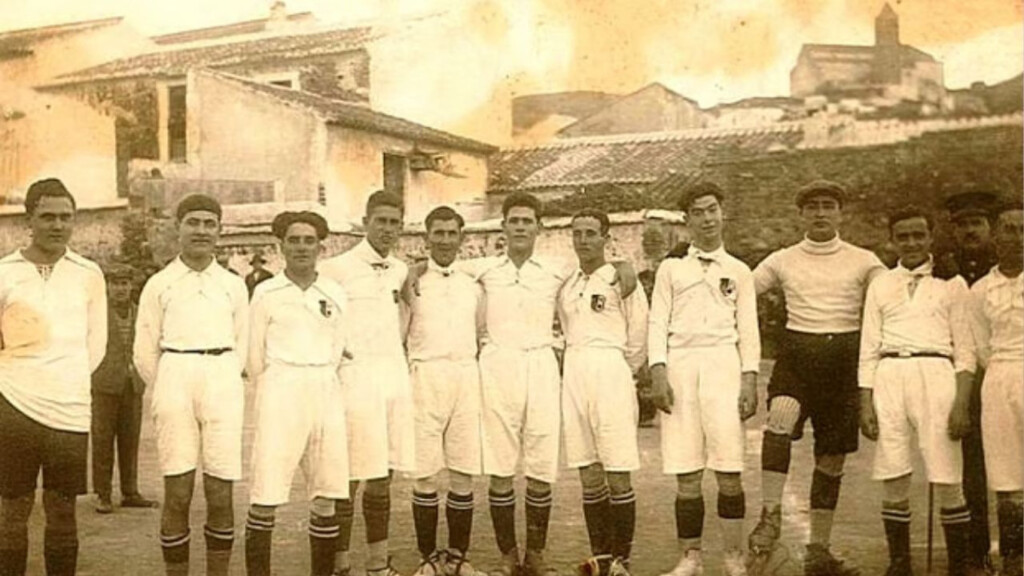
Nita’s journey took her to Vélez-Málaga, where she worked as a laundress and masseuse for the club. Her skill was undeniable; she was a natural “number 10” with extraordinary vision. Her teammates and even the club captain’s sister conspired to keep her secret, allowing her to take the field as a man.
| Career Milestone | Period / Detail | Significance |
|---|---|---|
| Early Practice | 1920s, Sporting Club de Málaga | Practiced in secret under Father Miguez. |
| Peak Playing Years | 1927–1929, Vélez CF | Played as “Veleta” in men’s competitive matches. |
| Tactical Position | Playmaker (Number 10) | Noted for technical skill and goal-scoring. |
| The Ban | 1930s | Stricter gender policing ended her playing career. |
The ruse was perilous. When spectators eventually sensed her gender, she was met with stones and insults. The Spanish Football Federation eventually tightened regulations, specifically banning women from men’s dressing rooms to target her.
A Legacy Interrupted
Nita’s life was tragically short; she died of typhus in 1940 at the age of 32. Unlike the fictional Nita who cried out, “Brother, I want to live!”, the real Nita’s wish was honoured in death. She was buried in her Sporting Club de Málaga jersey, surrounded by the teammates who had once guarded her secret.
Today, as women’s football flourishes globally, Nita stands as a pioneer—not necessarily as the first woman to kick a ball, but as the first to dare to conquer the men’s game from within, proving that talent knows no gender, even when history tries to hide it in the clouds.