Equity in leadership requires more than intention; it demands formal systems and measurable governance.
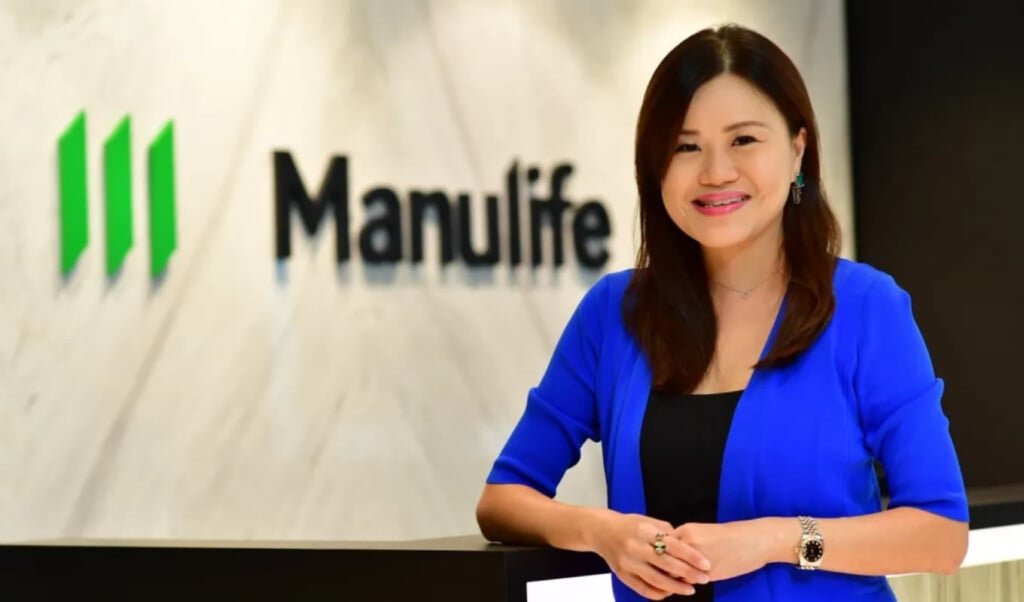
Leah Ng, Chief Bancassurance Officer at Manulife (Singapore) Pte. Ltd., has urged insurers to institutionalise promotion processes, highlighting the structural barriers women continue to face in advancing to senior roles.
Speaking to Insurance Asia, Ng emphasised that while organisations often express commitment to diversity, advancement is frequently dependent on informal mentorship and goodwill rather than transparent, accountable systems. “Equity cannot solely rely on good intentions; it must be embedded into governance,” she said. “The challenge is not commitment but the absence of processes that make fairness in promotions transparent and measurable.”
With over two decades of experience in life insurance and financial services, Ng believes that leadership diversity, when integrated into operational practices, strengthens organisational performance and succession resilience.
Career-Defining Decisions
Reflecting on her own journey, Ng cited early career experiences that shaped her leadership style. In her 20s, she was encouraged by a female manager to voice her perspectives more assertively, fostering confidence and advocacy skills. Later, she faced opportunities for higher titles and salaries that did not align with her long-term objectives. “Walking away from those roles was challenging,” she said. “These strategic decisions allowed me to focus on intentional, purpose-driven career growth rather than short-term advancement.”
Linking Diversity to Organisational Performance
Ng stresses that diverse executive teams enhance decision-making and operational standards. She advocates for measuring contributions by outcomes rather than visibility and for institutionalising structured sponsorship to identify and develop high-potential talent. “When diversity becomes part of the operating model, it transforms into an economic advantage,” she said.
Manulife’s Structured Initiatives
At Manulife, equitable progression is treated as a structural discipline. Inclusion objectives are embedded in performance goals, while leader dashboards and executive scorecards track promotion pipelines and representation metrics quarterly. High-potential women are systematically offered stretch assignments, ensuring advancement is governed by data rather than informal networks.
| Initiative | Description | Measurement |
|---|---|---|
| Inclusion Objectives | Evaluate leaders on inclusive, high-performing teams | Quarterly performance reviews |
| Leadership Dashboards | Track promotion pipelines and representation metrics | Quarterly |
| Structured Sponsorship | Identify and nurture high-potential women | Continuous |
| Meritocratic Evaluation | Document achievements for fair, transparent assessment | Ongoing |
| Flexible Work Policies | Structured hybrid arrangements with accountability | Annual engagement survey; top-quartile Gallup Finance & Insurance 2025 |
Flexibility and Retention
Ng emphasises that flexibility at Manulife is disciplined and accountable. The company refines hybrid models through surveys and pulse checks, enabling employees—including senior women leaders—to balance professional and personal commitments. Examples include extended sabbaticals for employees with family responsibilities, demonstrating how structured flexibility supports retention and performance.
Industry-Wide Transparency
Ng advocates standardising promotion and succession criteria across the industry. “Ambiguity is where bias thrives,” she said. “Clear, consistently applied criteria reinforce merit, build trust, and give high-performing women the confidence to pursue long-term career pathways.”
She concludes with guidance for women: “Stay curious, acquire new skills, and step forward with confidence. Opportunity favours the prepared; when it arrives, say yes.”