Tensions in the Middle East have resurfaced as former US President Donald Trump, alongside Israeli Prime Minister Benjamin Netanyahu, called for public uprisings against Iran’s Islamic Republic. Analysts warn this rhetoric echoes past miscalculations, raising fears of unintended consequences similar to those witnessed in Iraq decades ago.
The comparison draws particularly from events in 1991, during the Gulf War. Then-President George H.W. Bush visited a Massachusetts factory producing the Patriot missile, a defence system later used to intercept Iraqi rockets. While US forces conducted “Desert Storm” operations to liberate Kuwait, Bush reportedly regretted certain statements he made in public speeches—remarks that had unintended consequences on both military strategy and public perception.
At the time, coalition air forces—including American, British, and allied units—struck heavily against Iraqi forces and urban centres. Thousands of troops amassed near the Iraq-Kuwait border in preparation for a ground offensive, still nine days away. The conflict also led to tragic civilian casualties: a US airstrike on a shelter in Amiriya, near Baghdad, killed more than 400 non-combatants, mostly women, children, and elderly men, despite official claims it was a command centre. Journalists on the scene documented the devastation, exposing the human cost of strategic errors.
Decades later, experts caution that calls for public revolt in Iran carry a similar risk. “When a foreign leader encourages an uprising but does not commit to its follow-through, history shows this can backfire,” said analyst Jeremy Bowen of the BBC. He notes that while some Iranians may see an opportunity for change, abrupt or externally prompted movements often produce instability, rather than liberation.
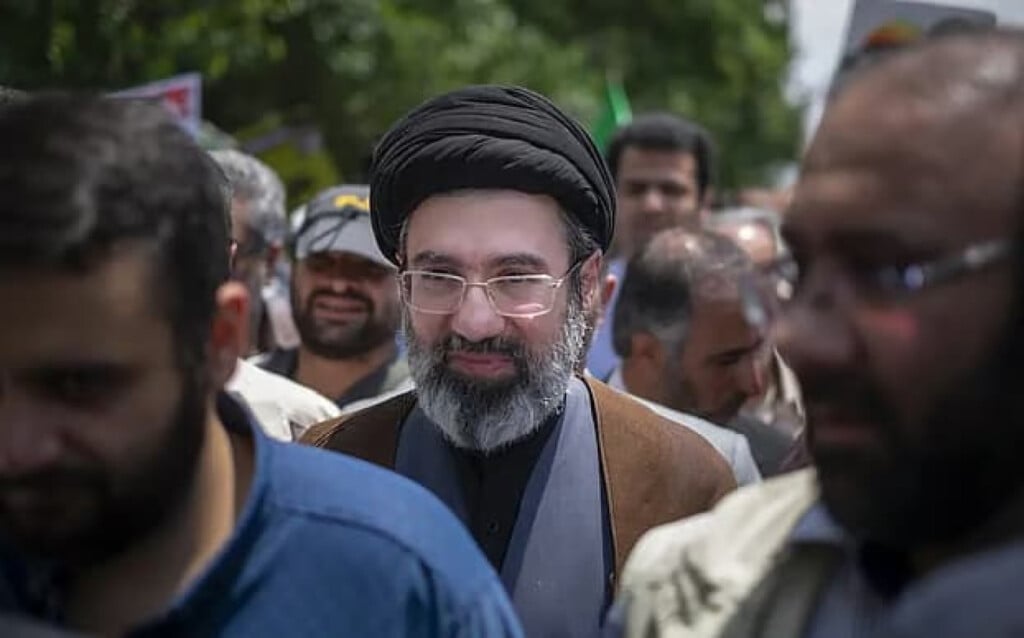
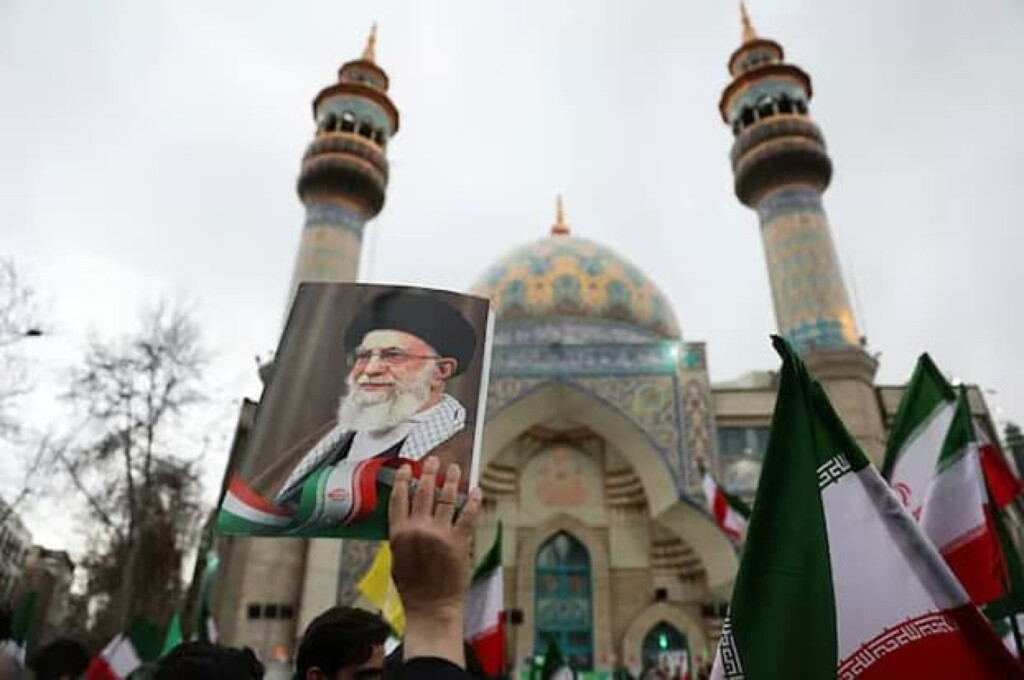
Protests have already emerged in Tehran and other cities, with demonstrators displaying images of the late Supreme Leader Ayatollah Ali Khamenei. Security forces have reportedly clamped down on gatherings, highlighting the volatility of the situation.
| Year | Event | Casualties / Notes |
|---|---|---|
| 1991 | Gulf War “Desert Storm” | 400+ civilians killed in Amiriya airstrike |
| 2026 | Trump-Netanyahu call for uprising in Iran | Protests erupt; official casualties unreported |
Observers warn that such calls can unintentionally bolster hardliners within Iran, consolidate state power, or incite broader regional instability. Historical parallels suggest that even well-intended political pressure can trigger complex, unintended consequences, emphasising the delicate balance foreign powers must navigate in Middle Eastern affairs.
The coming weeks will likely be pivotal in determining whether the rhetoric translates into significant civil unrest or whether it serves as another reminder of the risks inherent in external intervention.