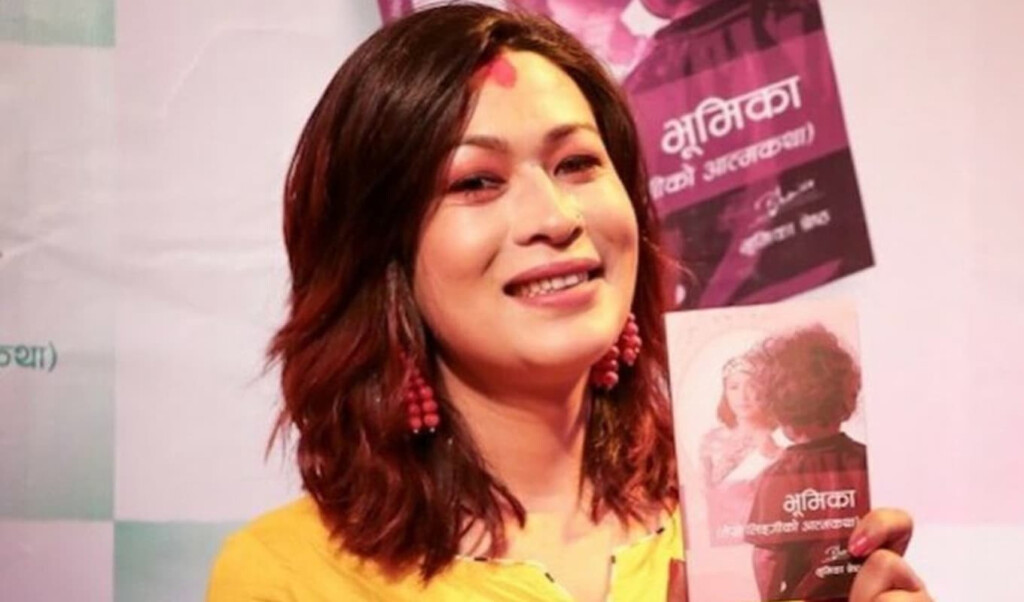
Nepal has made history with the election of Bhumika Shrestha as the country’s first transgender woman member of parliament, marking a significant milestone for the Himalayan nation’s marginalised LGBTQ+ community. On Monday, Shrestha was warmly welcomed with a traditional floral garland, symbolising both celebration and recognition of her trailblazing role.
Historic Election and Party Context
The Election Commission of Nepal confirmed that 37-year-old Shrestha secured her seat under the proportional representation system, representing the Rastriya Swatantra Party (RSP), a centrist political party. Last week, the RSP achieved a parliamentary majority, winning 182 out of 275 seats, solidifying its position as the dominant political force in the newly elected legislature.
Shrestha, a well-known LGBTQ+ rights activist, told AFP, “I am extremely excited, yet I feel a huge responsibility on my shoulders. Our constitution includes provisions for our community, but these have not yet been fully reflected in laws and policies. I hope to raise our issues in parliament.”
Her term will be served in Nepal’s 275-member House of Representatives, the first parliament formed after last September’s anti-corruption protests led to the fall of the previous government.
Electoral Results and Party Performance
The RSP, led by rapper-turned-politician Balendra Shah, won 125 of its 165 directly elected seats, while gaining an additional 57 seats through proportional representation. The party now holds a near two-thirds majority, falling just two seats short of a supermajority.
| Political Party | Directly Elected Seats | Proportional Representation Seats | Total Seats |
|---|---|---|---|
| Rastriya Swatantra Party (RSP) | 125 | 57 | 182 |
| Other Parties | 83 | 10 | 93 |
| Total | 208 | 67 | 275 |
Significance for LGBTQ+ Rights
LGBTQ+ advocates celebrated Shrestha’s victory as a watershed moment. Umisha Pande, president of the Blue Diamond Society (BDS), described the election as “historic”, emphasising that the community best understands its struggles, needs, and narratives.
Nepal is widely recognised as one of South Asia’s most progressive countries on LGBTQ+ rights. Key legal milestones include:
2007: Prohibition of discrimination based on gender or sexual orientation.
2013: Introduction of a “third gender” category in citizenship documentation.
2015: Inclusion of “other” category in passports.
2023: Supreme Court interim order permitting marriage registration for same-sex and transgender couples.
However, since 2008, no transgender or LGBTQ+ individuals had served in elected office, making Shrestha’s election unprecedented in Nepal’s recent parliamentary history. According to BDS, more than 900,000 Nepalis identify as sexual minorities, highlighting the significance of inclusive representation in government.
Looking Forward
Shrestha’s appointment promises to amplify the voices of marginalised communities in policymaking, particularly in advancing legal protections, social acceptance, and public awareness of LGBTQ+ issues. Analysts note that her presence in parliament may pave the way for fur