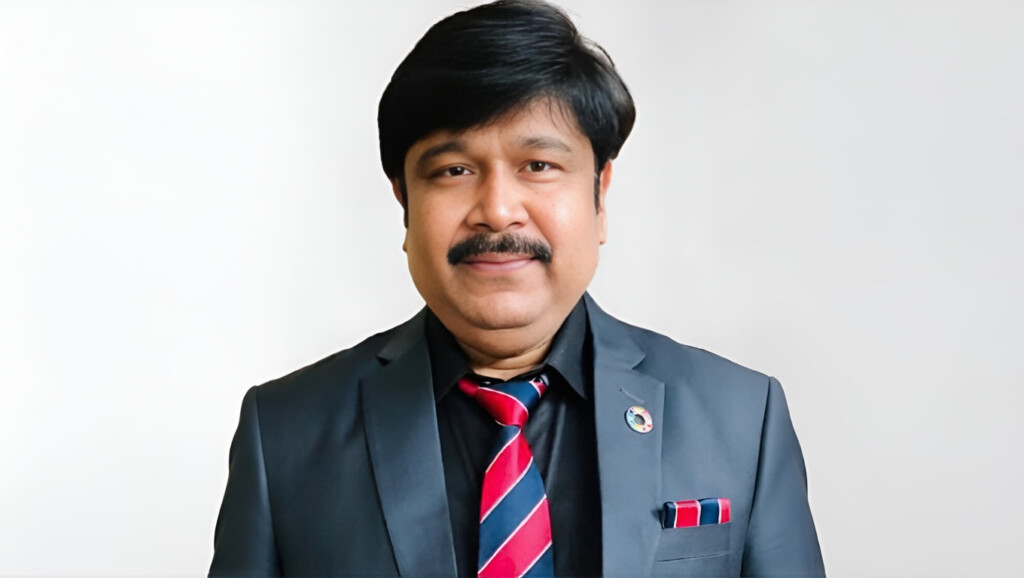
The Prime Minister, Tarique Zia, presents an appealing message on his public platforms: “Different affiliations, beliefs and ideologies may divide us, but the country belongs to us all.” While the sentiment is widely admired, a growing number of citizens argue that the reality of governance appears to contradict this inclusive vision.
Observers point to an increasing pattern of politically aligned appointments across key sectors. These include positions within the civil administration, senior university leadership roles such as vice-chancellors and pro-vice-chancellors, as well as posts within city corporations and local government bodies. Critics suggest that such trends risk entrenching partisan influence within institutions that are expected to remain neutral and merit-based.
Many members of civil society—writers, academics, journalists, researchers, artists and development practitioners—played visible roles in resisting authoritarian practices under the previous administration. Despite enduring intimidation and hardship, they contributed significantly to public discourse and democratic resilience. However, there is little evidence, according to analysts, that such individuals are being incorporated into the current administration’s decision-making structures, raising concerns about inclusivity and recognition.
Even within the ruling party’s own ranks, dissatisfaction appears to be emerging. Numerous long-standing activists and supporters who remained loyal during politically challenging periods reportedly feel overlooked in favour of less experienced or controversial figures. Questions have been raised regarding the criteria used for selecting parliamentary candidates and appointing ministers, as well as promotions within the administrative apparatus.
Beyond political considerations, broader structural challenges add urgency to these concerns. According to data from the Bangladesh Bureau of Statistics, public sector employment accounts for only a small fraction of the national workforce, while the majority are employed in private and informal sectors.
| Sector Category | Share of Workforce (%) | Estimated Workers (Millions) |
|---|---|---|
| Public Sector | ~2 | ~1.5 |
| Private Formal Sector | 14.2 | — |
| Informal/Personal Employment | 60.9 | — |
| Total Employed Population | — | 73.69 |
| Garment Industry Workers | — | 5+ |
Additionally, more than 2,500 registered non-governmental organisations operate across the country, employing hundreds of thousands. Yet, uncertainty persists regarding policy direction for these sectors, particularly amid reduced foreign assistance and global economic pressures.
The economic backdrop further complicates matters. A slowdown in global markets, declining foreign investment, and the closure of industrial enterprises—especially in the garment sector—have contributed to rising unemployment. The withdrawal of major international funding streams has exacerbated the situation, leaving many skilled professionals without viable opportunities.
Experts argue that integrating qualified professionals from diverse backgrounds into government roles could strengthen institutional capacity while addressing unemployment among educated citizens. Such an approach would also align more closely with the Prime Minister’s stated vision of inclusivity.
Ultimately, governance is not judged solely by rhetoric, but by actions that reflect fairness, recognition and opportunity. Political leadership, particularly in times of transition, must balance loyalty with competence and inclusiveness. History offers a consistent lesson: administrations that fail to value the contributions and potential of their people risk losing both public trust and long-term stability.