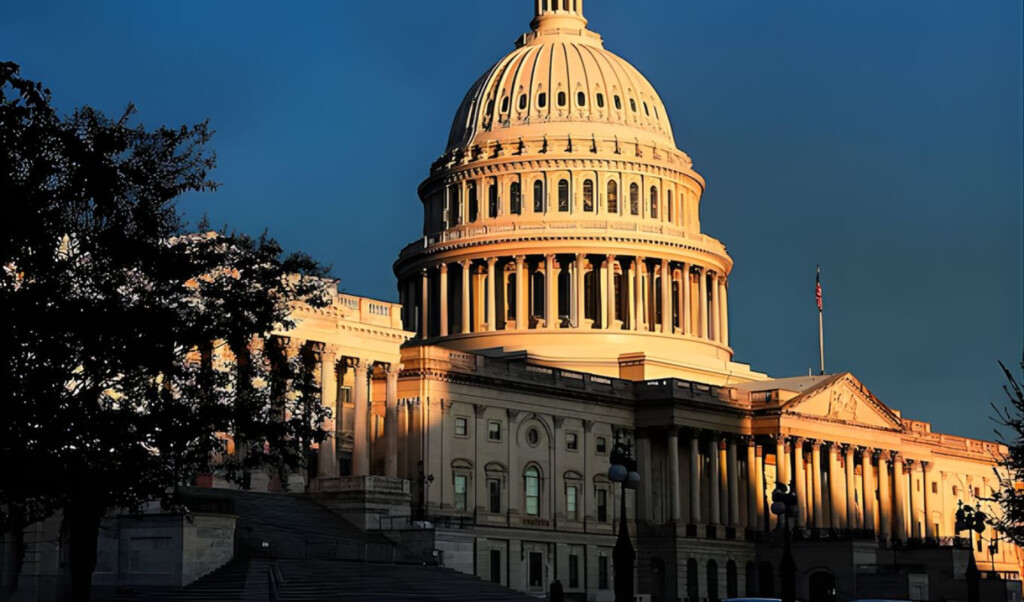
A historic proposal has been tabled in the United States House of Representatives calling for the official recognition of the genocide perpetrated in Bangladesh in 1971. The resolution condemns the mass killings, widespread sexual violence, and forced displacement inflicted on civilians, urging accountability for the perpetrators and enhanced protection for religious minorities.
The proposal was introduced on Friday, 20 March, by Representative Greg Landsman and has been referred to the House Committee on Foreign Affairs for consideration.
The text of the resolution contextualises the events within the political history of the Indian subcontinent. It notes that following the end of British colonial rule in August 1947, two independent states—India and Pakistan—were established. East Pakistan, then known as East Bengal and now Bangladesh, was part of Pakistan alongside West Pakistan. Governance in Pakistan was dominated by West Pakistani elites, predominantly Punjabis, who concentrated resources and development efforts in the west, often marginalising the Bengali population.
Historical records indicate deep-seated Bengali animosity among West Pakistani officials, who considered Bengalis to be an inferior people. After the 1970 national elections, the Awami League, led by Sheikh Mujibur Rahman, won a parliamentary majority on the basis of promises for autonomy in East Pakistan. Attempts to form a government between then-President General Agha Mohammad Yahya Khan, Pakistan People’s Party leader Zulfikar Ali Bhutto, and Sheikh Mujibur Rahman failed.
On the night of 25 March 1971, the Pakistan Army arrested Sheikh Mujibur Rahman and launched Operation Searchlight, a brutal crackdown on civilians in East Pakistan, reportedly with the support of Islamist militant groups.
| Aspect | Details |
|---|---|
| Timeframe | 25 March 1971 onwards |
| Estimated casualties | Several thousand to several hundred thousand |
| Women affected | Over 200,000 subjected to sexual violence |
| Targeted communities | Bengali civilians, particularly Hindus and political leaders |
| Documented reports | US Consulate telegrams (“Blood Telegram”), international media, Senate Judiciary Committee findings |
Eyewitness reports and diplomatic communications at the time provide chilling evidence of selective killings and mass atrocities. On 28 March, US Consul General Archer Blood sent a telegram to Washington describing “selective genocide” against Bengali Hindus and civilians, later followed by additional messages affirming that the scale of killings met the criteria of genocide.
Subsequent investigations, including a report submitted to the Senate Judiciary Subcommittee by Senator Edward M. Kennedy, highlighted systematic planning by Pakistani forces and targeted attacks against Hindu communities, with homes and businesses looted and civilians marked for execution. The 1972 legal study The Events in East Pakistan, conducted by the International Commission of Jurists, corroborated these findings.
The House resolution recommends:
- Condemning the atrocities committed by the Pakistan Armed Forces on 25 March 1971.
- Recognising the systematic killing of Bengali civilians, sexual enslavement of women, and targeting of religious minorities as crimes of genocide and crimes against humanity.
- Clarifying that no ethnic or religious group bears collective responsibility for these crimes.
- Urging the President of the United States to formally recognise the mass atrocities committed against Bengali Hindus and other civilians as genocide.
The resolution underscores the importance of documenting these human rights violations for posterity, ensuring that future generations understand the magnitude of the atrocities and that similar tragedies are prevented.