A proposal calling on the United States Congress to formally recognise the atrocities committed by the Pakistani military during Bangladesh’s 1971 Liberation War as genocide has been introduced, highlighting renewed international attention on the historic crimes.
The resolution was presented on Friday, 15 March, in the House of Representatives by Democratic Congressman Greg Landsman. Alongside calling for official recognition of the 1971 genocide, the proposal urges the prosecution of the Jamaat-e-Islami party for its alleged collaboration in the atrocities and stresses the need to ensure the protection of religious minorities in Bangladesh.
Key Points of the Proposal
| Aspect | Details |
|---|---|
| Presented by | Rep. Greg Landsman (Democrat) |
| Date | 15 March 2026 |
| Main Objective | Recognition of the 1971 atrocities as genocide |
| Targeted Accountability | Jamaat-e-Islami, for collaboration in crimes |
| Minority Protection | Call to safeguard religious minorities in Bangladesh |
| Historical Context | Operation Searchlight, launched 25 March 1971 |
| Primary Victims | Bengali population of all religions, with Hindus specifically targeted |
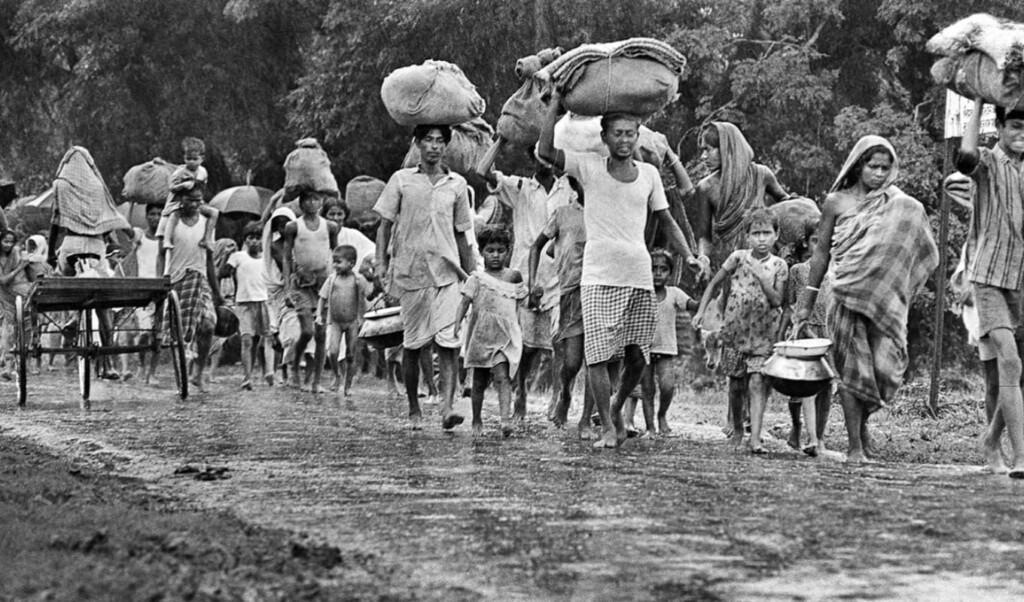
The proposal notes that during Operation Searchlight, which began on 25 March 1971, the Pakistani military, assisted by Islamist collaborators, carried out mass killings across Bangladesh. While the atrocities targeted Bengali people irrespective of religion, the Hindu community faced particularly systematic extermination.
Speaking at the presentation, Congressman Landsman remarked, “The actions of the Pakistani military in 1971 clearly meet the United Nations’ definition of genocide. This recognition should have come decades ago.”
Background and Context
The proposal follows a hearing on 9 February at Capitol Hill which addressed human rights in Bangladesh and revisited the events of 1971. The hearing was organised by a non-governmental group called Hindu Action, focusing on the historical and contemporary risks faced by minorities in Bangladesh.
According to Dilip Nath, a Democratic Party district leader in New York, the hearing directly influenced the introduction of the resolution. He explained that in the aftermath of political changes post-July movements, Jamaat-e-Islami has resurfaced as a political force, and concerns remain over its activities that could threaten human rights.
Nath added, “Even under the peaceful leadership of Nobel laureate Muhammad Yunus, Jamaat has resumed actions that could be seen as in violation of humanitarian norms. Should this resolution pass, it may pave the way for the United States to reconsider restrictions or sanctions against the group for their role in the 1971 atrocities.”
The proposal has drawn attention from both policymakers and human rights organisations worldwide, underlining the enduring relevance of historical justice in contemporary geopolitics.
Significance
If passed, the resolution would mark a formal acknowledgment by the United States Congress of the atrocities committed during Bangladesh’s struggle for independence, reinforcing international pressure for accountability. It also highlights ongoing concerns for religious minority protections in the region, emphasising that lessons from history remain vital for current human rights frameworks.
The initiative is widely seen as a symbolic and practical step towards recognising historical injustices, ensuring that the memories of those who perished in 1971 are preserved, and addressing contemporary political and humanitarian challenges in Bangladesh.