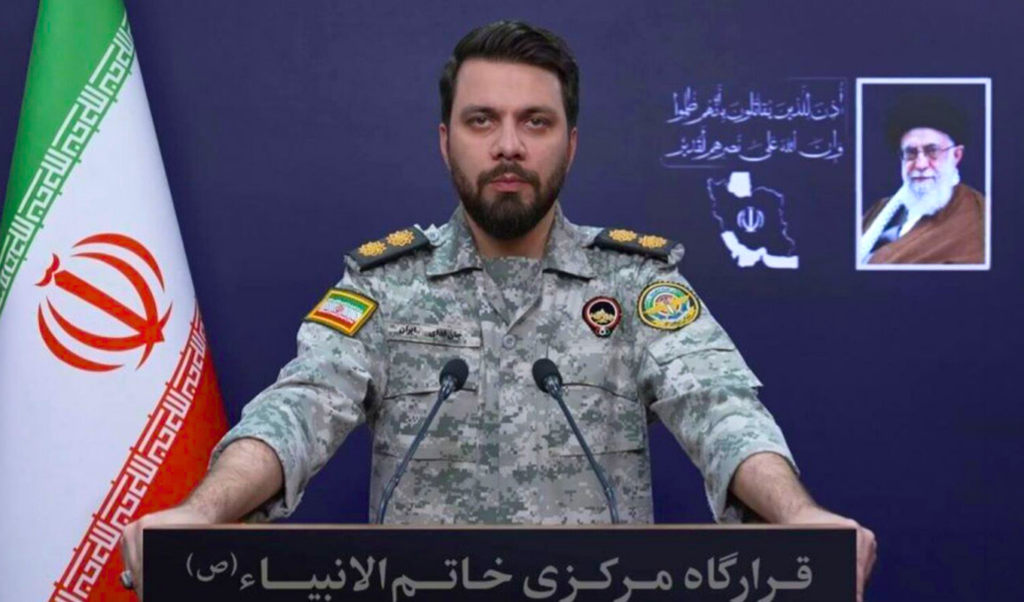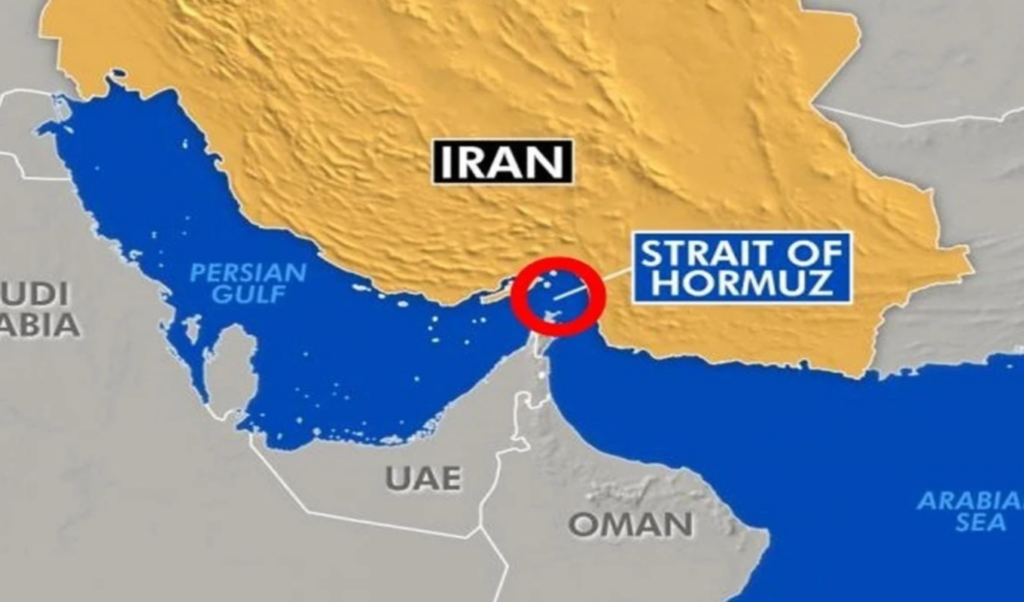
Tehran has issued a stark warning that it could completely close the Strait of Hormuz if its nuclear power facilities are attacked, signalling an unprecedented escalation in tensions with the United States and Israel. The announcement comes in direct response to threats from US President Donald Trump made on Saturday, escalating regional instability.
IRGC Statement
On Sunday, the Islamic Revolutionary Guard Corps (IRGC) released a formal statement declaring that any assault on Iran’s nuclear power plants would trigger a full closure of the Hormuz Strait. The statement emphasised that the strait would remain inaccessible until damaged facilities are fully restored.
The IRGC further warned that attacks on Iran’s energy infrastructure would provoke “widespread retaliatory strikes” against:
- Israel’s electricity, fuel, and IT infrastructure
- Companies in the region with US ownership
- Power plants in neighbouring countries hosting US military bases
The warning reflects Iran’s strategy of deterrence and asymmetric retaliation, highlighting its willingness to target both regional and international assets linked to perceived adversaries.
Strait of Hormuz Status
Since the joint US-Israel strike on 28 February, Iran has effectively restricted traffic through the strait. Without Iranian permission, no commercial vessels or tankers are currently permitted to pass through the waterway, one of the world’s most critical energy transit routes.
The partial closure has caused extreme volatility in global energy markets. Crude oil prices have surged beyond $100 per barrel, prompting urgent intervention by the United States and other international actors. Despite repeated warnings from Washington to allow free navigation, Iran has insisted that any passage by vessels associated with the United States or Israel would be considered an act of aggression.
International and NATO Response
According to Mehr News Agency, Iran’s representative to the International Maritime Organization (IMO), Ali Mousavi, confirmed that the strait remains open for vessels deemed safe under strict security protocols. However, ships linked to adversary states will not be allowed passage.
President Trump has repeatedly urged NATO allies to deploy naval forces to ensure safe passage through the strait, but most countries have declined, citing the volatile security situation. Only six nations—the United Kingdom, France, Germany, Italy, the Netherlands, and Japan—have indicated willingness to participate in efforts to secure navigation, although no concrete deployments have yet occurred.
Strategic Implications
The IRGC’s declaration significantly raises the stakes for energy security and regional stability. Analysts warn that a complete closure of the strait could have far-reaching consequences:
| Factor | Current Situation | Potential Impact |
|---|---|---|
| Strait Status | Partially closed; restricted to non-adversary vessels | Global shipping delays, fuel shortages |
| Crude Oil Prices | Exceeding $100 per barrel | Increased inflation and energy costs worldwide |
| Targeted Retaliation | Israel’s infrastructure, US-linked companies, neighbouring power plants | Regional escalation, potential international conflict |
| International Response | Limited naval support from six countries | Insufficient to guarantee uninterrupted shipping |
| IRGC Threat Level | Full closure if nuclear sites attacked | Severe disruption of global energy markets |
The warning underscores Iran’s readiness to employ energy chokepoints as strategic leverage, signalling that any military strike on its nuclear installations could provoke a multi-front regional crisis.
As global observers closely monitor developments, the situation remains highly unstable, with the potential to disrupt international energy supply chains and heighten tensions between Iran, the United States, and its regional allies.