Tuesday, 4th August 2026

Khabor Wala Desk
Published: 23rd March 2026, 6:03 AM
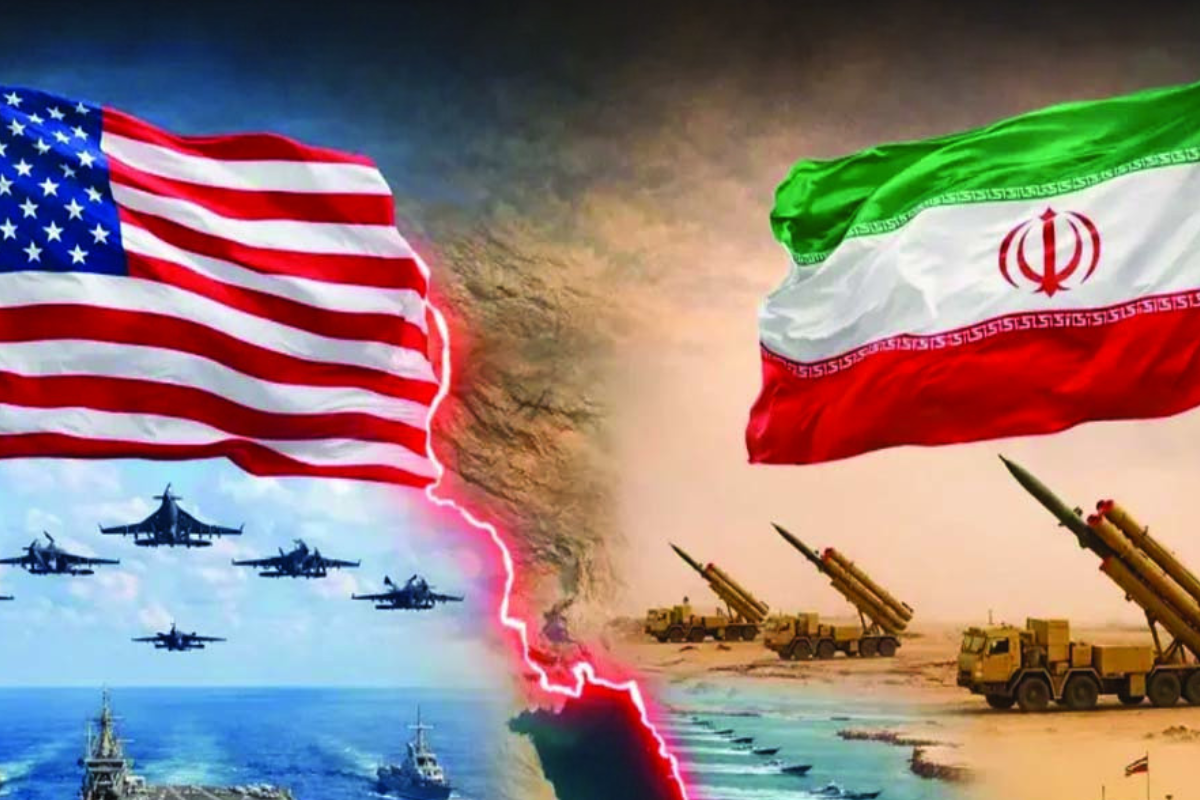
Analysts warn that a prolonged conflict involving Iran could trigger a significant disruption in global energy supply chains, with far-reaching consequences for economies worldwide. The impact is already beginning to ripple across multiple sectors, from industrial manufacturing to transportation and domestic energy markets. Certain nations, however, are particularly exposed and may face immediate economic strain.
In Europe, major economies appear especially vulnerable. Germany, heavily reliant on energy-intensive industries, faces the prospect of rising production costs if energy prices escalate further. Italy’s economy is similarly at risk due to its high dependence on imported oil and gas. Meanwhile, the United Kingdom’s reliance on gas-fired power plants has heightened the threat of inflationary pressures as energy costs rise.
Across Asia, Japan is acutely exposed. Approximately 90% of Japan’s oil requirements are imported from the Middle East, much of it transiting the strategic Strait of Hormuz. Any disruption along this route could severely affect industrial output and economic stability. India, too, is at significant risk, given its dependence on imported crude oil and liquefied petroleum gas (LPG). The country has already seen a downward revision in economic growth forecasts, accompanied by a gradual depreciation of its currency.
The Gulf region is not immune. Countries such as Kuwait, Qatar, and Bahrain depend heavily on the Hormuz corridor for the export of hydrocarbons. A complete blockade of the strait could dramatically restrict energy exports, compressing national incomes and threatening regional economic stability.
At the most precarious end of the spectrum are nations including Sri Lanka, Pakistan, and Egypt. These countries are already grappling with energy shortages and have implemented austerity measures to manage limited supplies. Rising fuel costs, inflation, and mounting foreign debt are placing their economies under severe pressure, potentially pushing them closer to financial instability.
The table below summarises the vulnerability of key nations to potential energy disruptions:
| Country | Primary Risk | Energy Dependence | Economic Impact |
|---|---|---|---|
| Germany | Rising production costs | Oil & gas imports from Middle East & Russia | Inflation, increased manufacturing costs |
| Italy | Oil and gas reliance | Imported energy | Strain on households and industries |
| United Kingdom | Gas-fired power generation | Imported gas | Energy inflation, higher household bills |
| Japan | Oil imports (~90%) | Middle East, Strait of Hormuz | Direct impact on industry and economy |
| India | Crude oil & LPG imports | Middle East | Lower growth forecasts, currency depreciation |
| Kuwait | Export disruption | Strait of Hormuz oil transit | National revenue decline |
| Qatar | Gas export disruption | Strait of Hormuz gas transit | Potential fiscal stress |
| Bahrain | Energy export blockade | Strait of Hormuz | Economic contraction |
| Sri Lanka | Severe fuel shortages | Imports dependent | Inflation, austerity, financial instability |
| Pakistan | Energy scarcity | Oil & gas imports | Inflation, debt pressure |
| Egypt | Fuel shortages & import reliance | Oil & gas imports | Inflation, economic fragility |
Experts caution that a prolonged Iran-related conflict could create a cascading energy crisis, affecting supply chains and economies far beyond the Middle East. Governments and financial institutions worldwide are closely monitoring the situation, preparing contingency plans to mitigate potential shocks.




Comments