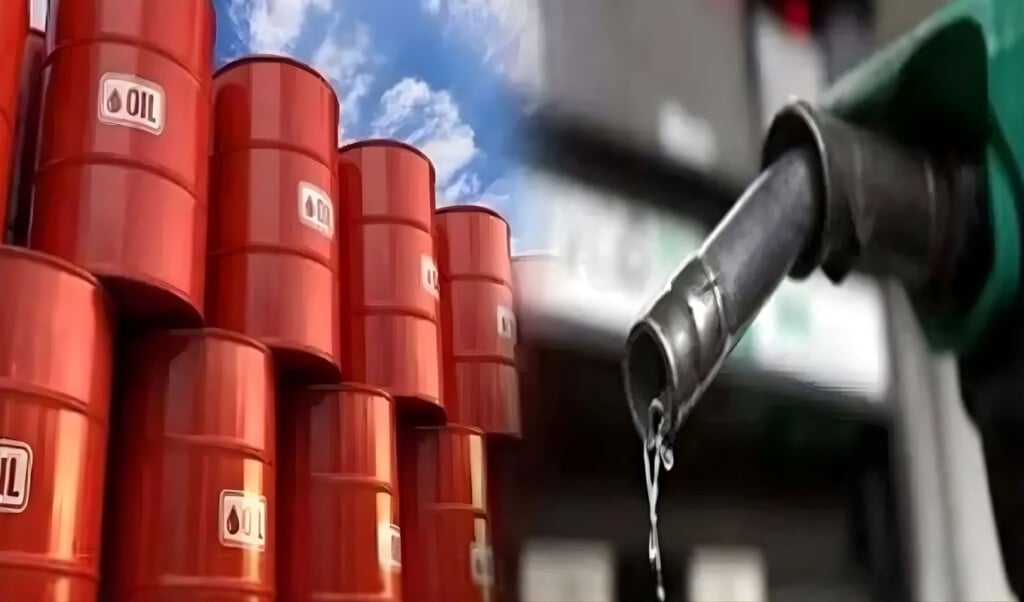
Rising tensions in the Middle East and ongoing international conflicts have disrupted the timely arrival of several fuel-carrying vessels to Bangladesh, raising fresh concerns over the country’s energy supply.
Despite efforts to source fuel from alternative suppliers, the situation remains only partially under control, leading to uncertainty about whether normal supply levels can be maintained throughout April.
On Tuesday, 24 March, Minister of Power, Energy and Mineral Resources, Iqbal Hasan Mahmud Tuku, reassured the public that the country maintains sufficient fuel reserves and that there will be no shortage.
Similarly, State Minister Anindya Islam stated that Bangladesh has not yet faced any fuel crisis. Several shipments have already arrived, with more expected shortly, and the import schedule for April is being finalised.
He added that, if necessary, refined diesel could also be procured from the open market. Panic buying, however, has temporarily strained distribution channels.
According to the Bangladesh Petroleum Corporation (BPC), as of Monday, the country held around 14 days’ worth of diesel reserves. Concerns over shortages have prompted consumers to stock up on diesel, octane, and petrol, resulting in supply bottlenecks in some areas, with residents sometimes having to wait long periods to obtain fuel.
Annually, Bangladesh imports approximately 6.5–6.8 million tonnes of fuel. Around 20% of this is crude oil, primarily sourced from Saudi Arabia and the United Arab Emirates, while the remaining 80% is imported in refined form.
Current Fuel Reserves
| Fuel Type | Stock (Tonnes) | Days of Supply Available |
|---|---|---|
| Diesel | 185,000 | 14 |
| Octane | 11,000 | 9 |
| Petrol | 16,605 | 11 |
| Furnace Oil | 70,833 | 29 |
| Jet Fuel | 34,877 | 23 |
| Kerosene | 8,571 | 46 |
| Marine Fuel | 1,500 | 44 |
At Eastern Refinery, 80,000 tonnes of crude oil are currently in reserve, sufficient for another 17–18 days of production. Any delays in new shipments, however, could disrupt refinery operations.
Experts highlight that fuel supply is currently under pressure from three main factors: delayed ship arrivals, rising international oil prices, and abnormal demand spikes caused by public panic.
In particular, disruptions in the Strait of Hormuz—a key shipping route—have introduced significant uncertainty in fuel imports from the Middle East. Any prolonged closure of this maritime corridor would directly impact import-dependent nations like Bangladesh, posing a potential risk to energy security.