The escalating tensions between the United States and Iran have now entered their fourth week, and the focus has shifted from battlefield confrontations to the discreet corridors of diplomacy. Amidst this geopolitical friction, Pakistan is emerging as a potential mediator, tasked with bringing both Washington and Tehran to the negotiation table.
According to multiple international media reports and diplomatic sources, Pakistan has offered its capital, Islamabad, as a venue for high-level talks between officials from the United States and Iran. While neither Washington nor Tehran has formally confirmed these discussions, the notion of Pakistan serving as a neutral intermediary has gained traction in diplomatic circles.
Vali Nasr, a renowned Washington-based analyst, suggests that Pakistan’s initiative may be quietly backed by Saudi Arabia. “It is unlikely that Islamabad would undertake such a significant diplomatic step without at least tacit support from Riyadh,” he commented.
South Asia specialist Michael Kugelman echoed this view, noting that Pakistan’s role as a potential mediator is hardly surprising. “Over the past year, Iran and Pakistan have held multiple high-level meetings,” he said. “Islamabad also maintains a close relationship with the Trump-era U.S. administration and even safeguards certain Iranian diplomatic interests in the United States.”
As the conflict intensifies, countries like Pakistan, Turkey, and Egypt are actively facilitating message exchanges between Tehran and Washington. Muslim diplomats stationed in Washington indicate that, given their proximity to Iran, Pakistan and Turkey face direct security and economic threats from the conflict. They are therefore highly motivated to support measures aimed at preventing escalation, including resolving refugee crises and broader regional instability.
Egypt’s involvement is considered strategically significant. As a major Arab nation with direct channels to Israel, Cairo can communicate messages that other states cannot, thereby adding a critical layer to diplomatic outreach. Observers note that direct negotiations at this stage are politically challenging for both Tehran and Washington, creating a vacuum for third-party mediation—a gap Pakistan is now attempting to fill.
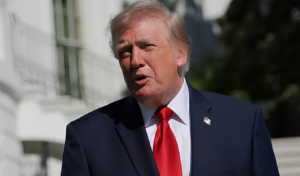
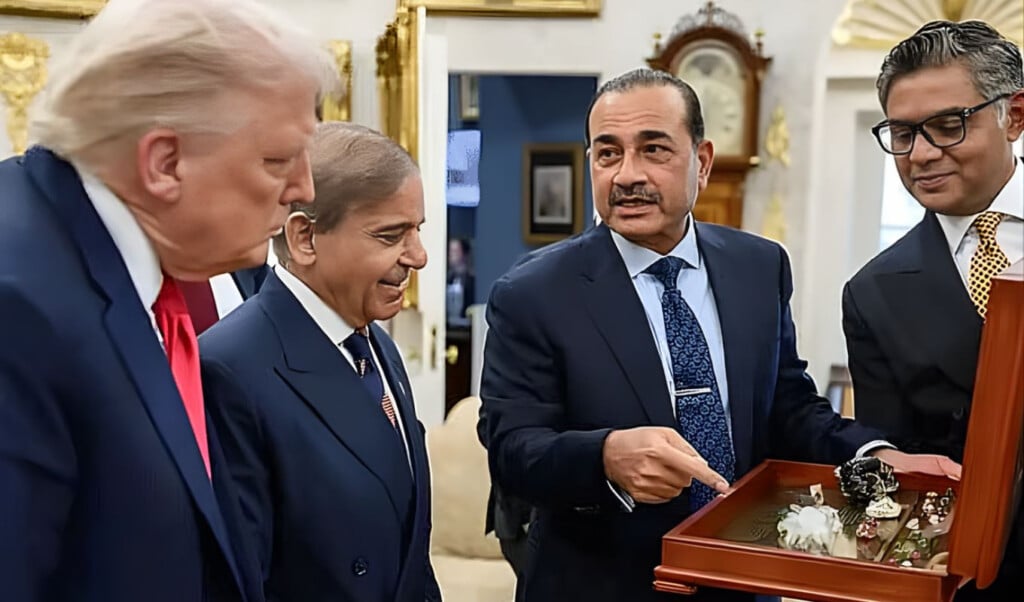
Historical precedents also bolster Islamabad’s credibility. Pakistan previously nominated former U.S. President Donald Trump for the Nobel Peace Prize in June and October for efforts to mediate India-related conflicts, fostering goodwill within his administration. Furthermore, in June and September of the previous year, Pakistan’s military chief, General Asim Munir, and Prime Minister Shehbaz Sharif visited the United States at Trump’s invitation. Trump himself remarked on Munir’s deep understanding of Iran, a personal rapport that has now positioned Pakistan at the centre of high-stakes international diplomacy.
Key Recent Diplomatic Engagements
| Country | Pakistani Representative | Engagement | Purpose |
|---|---|---|---|
| United States | Prime Minister Shahbaz Sharif & Gen. Asim Munir | June & September visits | Strengthen bilateral ties & share regional intelligence |
| Iran | Pakistani Foreign Ministry | Multiple high-level meetings (2023–2024) | Promote regional stability & discuss cross-border security |
| Saudi Arabia | Unofficial backing | N/A | Support Pakistan’s mediation role |
| Egypt | N/A | Messaging channel | Facilitate indirect dialogue with Israel & regional stakeholders |
| Turkey | N/A | Message exchanges | Mitigate conflict spillover & refugee crises |
With its unique combination of regional proximity, diplomatic channels, and historical ties to both Washington and Tehran, Pakistan is now stepping into a pivotal role in the ongoing U.S.–Iran crisis. How successfully Islamabad can navigate this delicate mediating position remains to be seen, but its emergence underscores the growing importance of third-party diplomacy in a high-stakes global conflict.