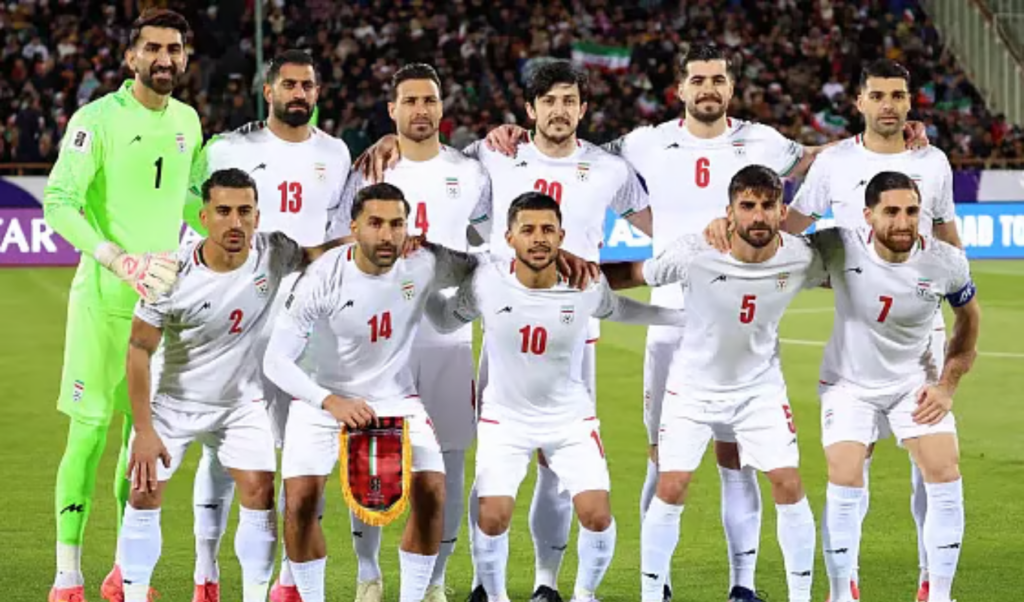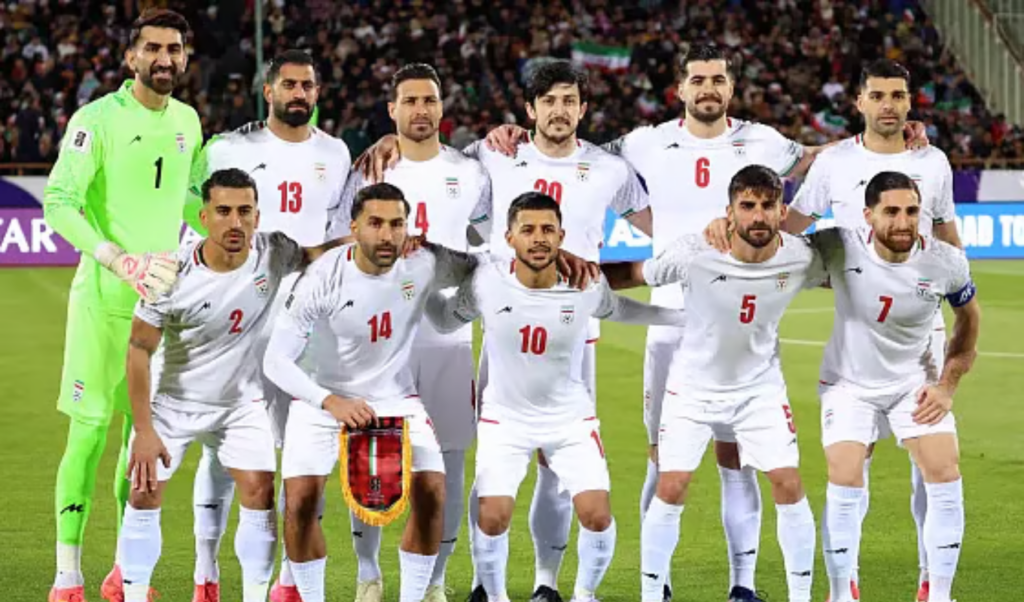
Iran has announced a sweeping prohibition on sending its national and club sports teams to countries it deems “hostile”, marking a significant escalation in the intersection of politics and international sport. The decision, confirmed on Thursday (27 March) by the country’s Ministry of Sport and Youth, comes amid heightened geopolitical tensions in the Middle East and renewed concern over athlete safety abroad.
According to Iran’s state news agency ISNA, the ministry stated that any country considered unfriendly—or unable to guarantee the safety and security of Iranian athletes and officials—will now be off-limits for sporting participation until further notice. The directive applies to both national squads and domestic club sides competing in international competitions.
The announcement follows growing friction in the region after reported military developments involving the United States and Israel, which Iranian officials have described as hostile actions. While no specific list of banned countries was published, the language of the directive clearly signals a broad and flexible interpretation, allowing authorities to restrict travel based on evolving diplomatic relations and security assessments.
Immediate sporting impact
The timing of the policy has drawn attention, particularly due to its potential impact on upcoming fixtures in Asian and global competitions. One of the immediate concerns relates to the Asian Champions League, where Iranian club Tractor FC had been scheduled to play a match against an Emirati club in Saudi Arabia. Under the new directive, Iranian participation in such venues could be suspended unless arrangements are altered.
The ministry also instructed the Football Federation Islamic Republic of Iran (FFIRI) and all affiliated clubs to formally notify the Asian Football Confederation (AFC) of the decision. Officials are expected to request that fixtures involving Iranian teams be relocated to neutral venues in order to ensure compliance with the new policy.
Broader international implications
The decision arrives at a politically sensitive moment, just months before preparations intensify for the 2026 FIFA World Cup, jointly hosted by the United States, Mexico and Canada. Iran has already qualified for the tournament, and under the current schedule, its group-stage matches are expected to take place in the United States.
Iran has been drawn in Group G alongside New Zealand, Belgium, and Egypt. The new directive raises questions about how Iranian participation will be managed if travel restrictions or diplomatic objections extend to World Cup host nations.
Policy overview
| Category | Details |
|---|---|
| Announcing body | Iran Ministry of Sport and Youth |
| Date of announcement | 27 March |
| Affected parties | National teams and club sides |
| Scope of ban | Countries deemed “hostile” or unsafe |
| Implementation | Immediate, until further notice |
| Governing coordination | FFIRI and AFC required to notify and negotiate fixture changes |
| Key competitions affected | Asian Champions League, FIFA World Cup 2026 preparations |
Strategic and diplomatic reading
Analysts view the move as part of a broader policy shift in Tehran, reflecting increasing alignment between sporting policy and national security considerations. By empowering sports authorities to restrict travel on safety grounds, Iran is effectively signalling that sporting neutrality will no longer override political risk assessments.
Historically, Iranian athletes have occasionally faced restrictions or boycotts in international events depending on diplomatic relations. However, this latest directive appears more formalised and institutional, potentially affecting a wider range of competitions across Asia and beyond.
The Asian Football Confederation is now expected to engage in urgent consultations with Iranian officials and participating member associations to determine whether neutral venues or revised fixtures can be arranged. Meanwhile, global football authorities, including FIFA, are likely to monitor developments closely given the proximity to major international tournaments.
For now, Iran’s stance introduces fresh uncertainty into an already complex international sporting calendar, raising the prospect of further politicisation of fixtures and logistical challenges for governing bodies worldwide.