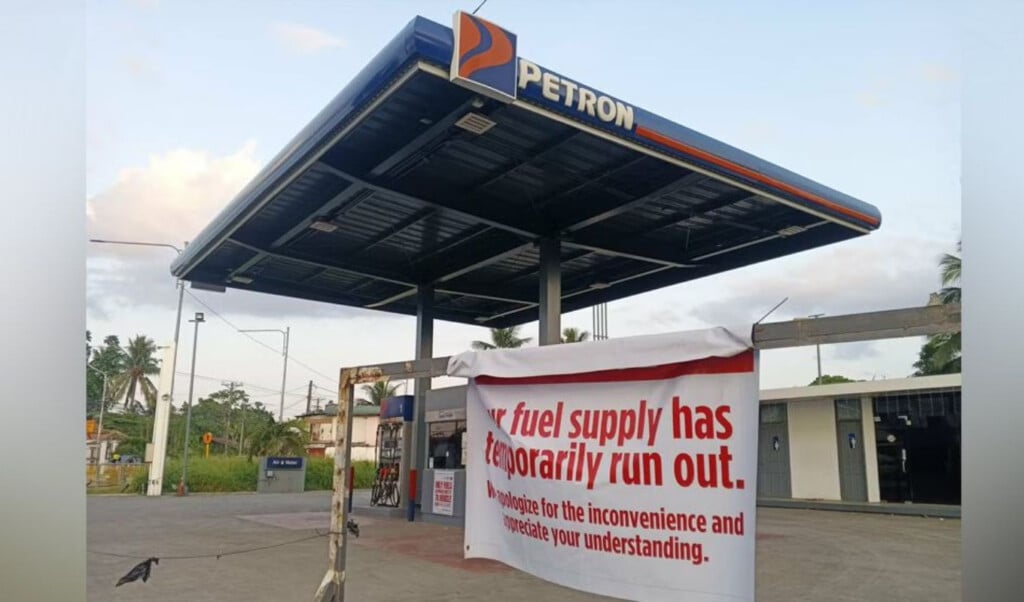
The Philippines is grappling with a severe fuel supply disruption that has compelled the closure of more than 300 petrol stations nationwide, according to official monitoring bodies. The crisis, triggered by escalating geopolitical tensions involving Iran, the United States, and Israel, has exposed the vulnerability of energy-import-dependent economies to international conflict.
Data released by the Philippine National Police indicate that, as of Monday (30 March), a total of 365 fuel stations have ceased operations due to dwindling supply and surging wholesale prices. Many of these closures are concentrated in urban and semi-urban areas, where demand is typically highest.
The ongoing conflict, which reportedly intensified on 28 February, has disrupted global oil supply chains and sent shockwaves through international energy markets. As a result, fuel prices in the Philippines have more than doubled within a matter of weeks. This rapid escalation has placed immense pressure on both consumers and fuel retailers, many of whom are unable to sustain operations amid shrinking margins and inconsistent deliveries.
Industry analysts warn that the situation could deteriorate further if the geopolitical crisis persists. The Philippines relies heavily on imported petroleum products, making it particularly susceptible to fluctuations in global oil prices. With limited domestic refining capacity and strategic reserves, the country has few immediate buffers against prolonged supply shocks.
The government has acknowledged the severity of the crisis and is reportedly exploring emergency measures, including the diversification of supply sources and the possible release of strategic reserves. Authorities are also considering temporary subsidies or price controls to cushion the impact on consumers, particularly those in transport and logistics sectors.
Below is a summary of the current situation:
| Key Indicator | Current Status |
|---|---|
| Total fuel stations closed | 365 |
| Start of conflict impact | 28 February |
| Fuel price increase | More than doubled |
| Primary cause | Global supply disruption due to conflict |
| Most affected areas | Urban and semi-urban regions |
Transport operators, small businesses, and daily commuters are already feeling the strain, with higher fuel costs translating into increased fares and commodity prices. Economists caution that if the crisis continues unchecked, it could contribute to broader inflationary pressures and slow economic growth in the months ahead.
As global tensions remain unresolved, the Philippines faces an increasingly uncertain energy outlook, underscoring the urgent need for long-term energy security strategies and reduced dependence on external fuel sources.