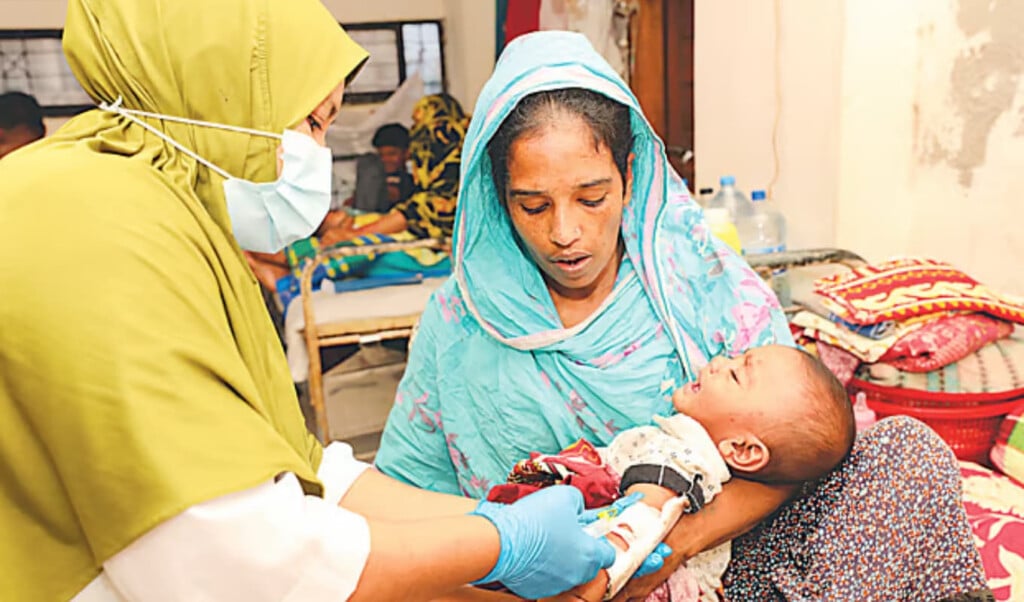
Bangladesh is currently facing a severe vaccine shortage, with central medical stores reporting zero stock for vaccines against ten critical diseases. This scarcity coincides with a tragic surge in polio-related child fatalities, with 41 deaths reported nationwide this month alone, according to officials from the Expanded Programme on Immunisation (EPI) and government hospitals.
Authorities attribute the shortage to administrative delays in vaccine procurement. Coupled with field-level challenges such as insufficient staffing and uneven distribution, many children and mothers are not receiving essential immunisations. Consequently, the country is witnessing preventable deaths from polio, alongside an elevated risk of other childhood diseases spreading.
Bangladesh has long been recognised as a model for successful vaccination campaigns. Regular immunisation programmes have effectively eliminated polio and rubella, and controlled hepatitis. By the end of 2025, the government had aimed to eradicate polio entirely. However, lapses in planning and implementation have now placed these achievements at risk.
Health Minister Sardar Md. Shahawat Hossain confirmed at a press briefing in Dhaka that polio vaccination had not been administered for the past eight years, noting: “We have already allocated 6.04 billion taka and will procure and distribute vaccines promptly.” Critical care facilities, including ventilators in paediatric infectious disease hospitals, have been readied to treat affected children. Preparations are also underway at Dhaka Medical College Hospital, Shahid Suhrawardy Children’s Hospital, and regional centres in Manikganj and northern districts.
Vaccine Stock Status
EPI officials provide the following data on central store availability:
| Vaccine | Disease Prevented | Current Stock | Expected Availability |
|---|---|---|---|
| BCG | Tuberculosis | 0 | Pending Procurement |
| Penta | Diphtheria, Pertussis, Tetanus, Hib, Hepatitis B | 0 | Pending Procurement |
| bOPV | Polio | 0 | Pending Procurement |
| IPV | Polio | Stock until June | June 2026 |
| PCV | Pneumonia | 0 | Pending Procurement |
| MR | Measles & Rubella | 0 | Pending Procurement |
| Td | Tetanus & Diphtheria (women) | 0 | Pending Procurement |
| TCV | Typhoid | Stock until June | June 2026 |
| HPV | Cervical Cancer (adolescent girls) | Stock until December | Dec 2026 |
In addition to routine vaccinations, national campaigns aim to immunise all children within a short window, supplemented by Vitamin A distribution. Donor agencies, NGOs, and government teams support these efforts. However, inequitable coverage, especially in urban areas, alongside post-COVID dropouts for second doses, has left many children unprotected.
Causes of the Shortage
Previously, vaccines were purchased under the Health, Population and Nutrition Sector Programme (HPNSP) with UNICEF and Gavi support. In August 2025, an interim government suspended the operational plan without full preparation, delaying approvals, director appointments, and fund releases. Changes in the Directorate General leadership further hindered timely procurement.
Staff shortages exacerbate the crisis. Of the 64 districts, only 27 have sufficient health assistants, leaving 37 districts critically understaffed. These field workers operate approximately 150,000 vaccination centres nationwide. Delays in salary payments and repeated strikes have further disrupted service delivery.
Rising Child Fatalities
Recent reports highlight the human cost of this shortage. Between Saturday afternoon and Sunday afternoon, Mymensingh Medical College Hospital reported two more polio deaths, bringing its monthly total to five. In Dhaka, Mohakhali Infectious Disease Hospital recorded 19 deaths, Rajshahi Medical College 12, and Chapainawabganj three. One child from Shariatpur also died at a Dhaka facility. Cumulatively, 41 children have succumbed to polio this month—the highest recent monthly toll.
Public health expert Abu Jamil Faisal described the situation as “deeply tragic” and called for an immediate inquiry into why vaccines ran out and why children died, emphasising that such failures cannot continue.