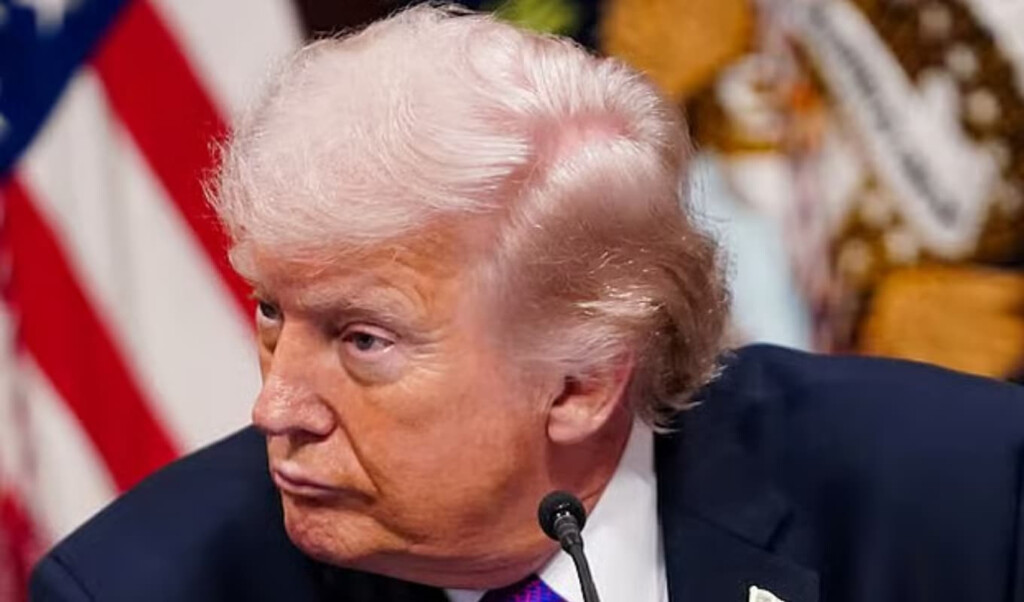
U.S. President Donald Trump has indicated to senior advisers that he may be prepared to conclude the American military campaign against Iran even if the Strait of Hormuz remains effectively closed, according to a report in The Wall Street Journal.
Unnamed officials cited by the newspaper suggest that Mr Trump and his aides have been reassessing the operations, expressing concern that a full-scale effort to reopen the strategically vital waterway could prolong the conflict well beyond the four-to-six-week window initially outlined by the White House.
Strategic Priorities Shift
Administration sources report that the president now intends to prioritise the degradation of Iran’s naval and missile capabilities—central components of the U.S. military strategy—before turning to diplomatic measures aimed at persuading Tehran to allow commercial shipping to resume unhindered through the strait. If these diplomatic efforts fail, Washington is expected to encourage European and Gulf allies to assume a more active role in reopening the shipping lane.
At a recent briefing, White House Press Secretary Karoline Leavitt emphasised that reopening the Strait of Hormuz—through which roughly one-fifth of the world’s oil passes—is not currently considered a core U.S. military objective, despite ongoing diplomatic initiatives.
Market Response
Global financial markets have already reacted to the possibility of a U.S. de-escalation. On Tuesday, Brent and WTI crude prices fell by approximately 1 per cent during Asian trading hours, while U.S. stock futures rose on speculation that direct hostilities may be easing.
| Strategic Objective | Status / Approach |
|---|---|
| Degrade Iranian Navy | Active military operations |
| Neutralise missile stockpiles | Ongoing strikes |
| Reopen Strait of Hormuz | Deferred; not a core military aim |
| Diplomatic pressure on Tehran | Planned escalation |
| Coalition leadership (Europe/Gulf) | Potential future role |
Source: Wall Street Journal, Reuters
Wider Context
The conflict, now approaching a month in duration, began with joint U.S.–Israeli strikes in late February, prompting Iran to retaliate and assert control over the Strait of Hormuz. Tehran’s effective closure has coincided with attacks on commercial vessels and new regulatory measures from Iran’s parliament, including toll proposals and restrictions on foreign shipping.
While Washington has signalled a willingness for direct negotiations, Tehran has publicly dismissed formal talks, labelling U.S. proposals as unrealistic. Independent diplomats from Pakistan, Turkey, and other nations have engaged in indirect discussions aimed at easing tensions.
With global energy markets remaining highly sensitive, the ultimate status of the Strait of Hormuz is likely to play a decisive role in both geopolitical strategy and international economic stability.