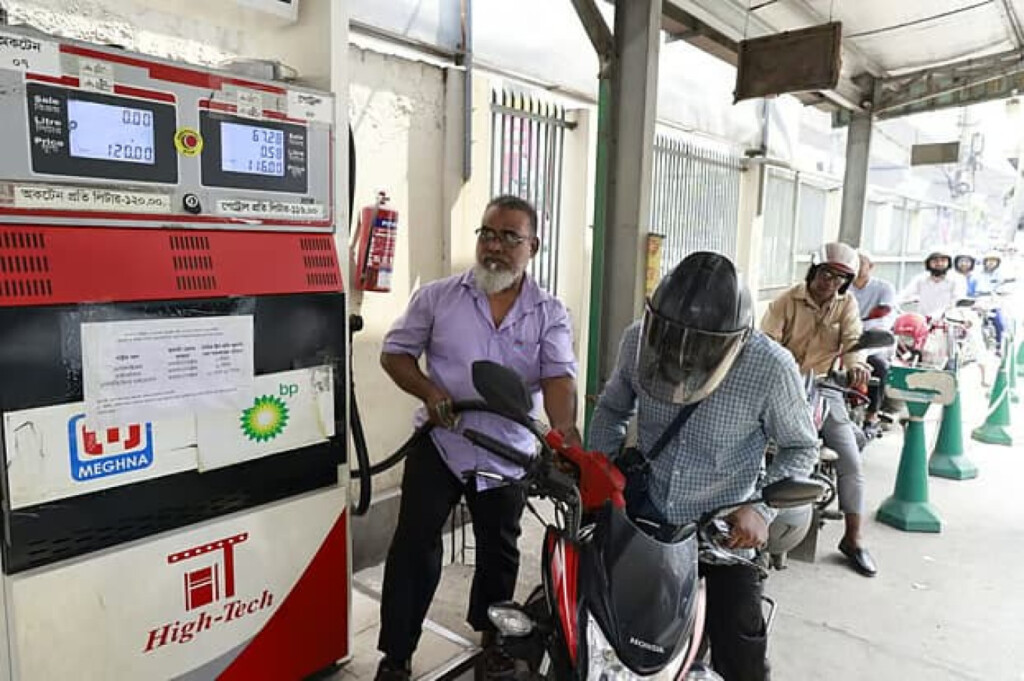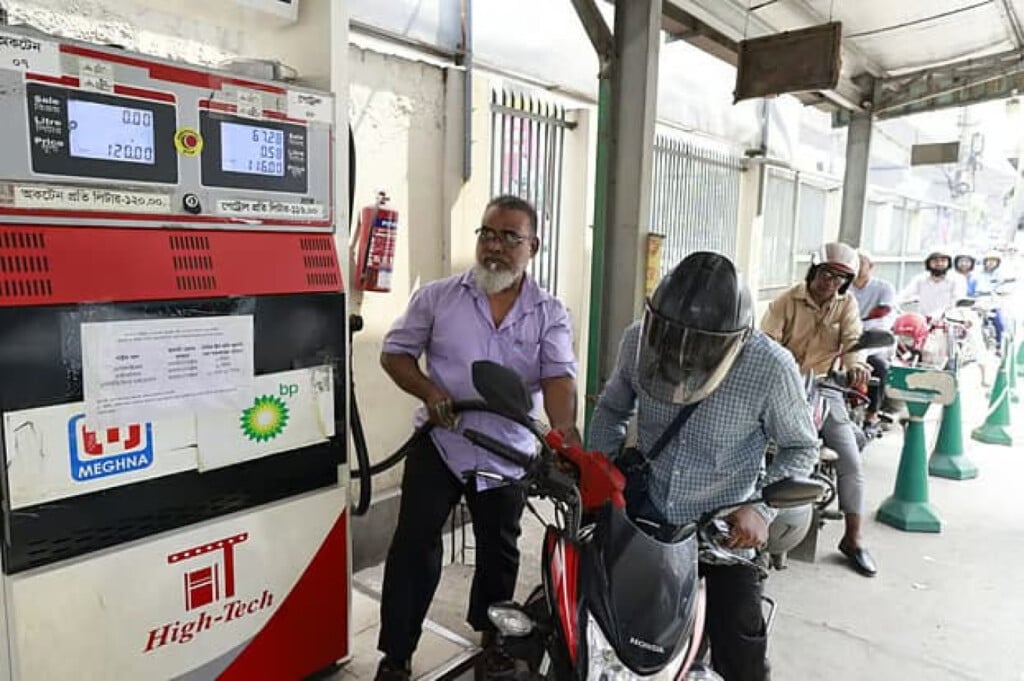
Despite a turbulent global energy market driven by escalating conflicts in the Middle East, the government has announced a freeze on domestic fuel prices for the second consecutive month. This decision comes at a significant fiscal cost, as international prices have nearly doubled, leaving a widening gap between import costs and the rates paid by consumers at the pump.
In an official directive issued this Tuesday by the Ministry of Power, Energy, and Mineral Resources, authorities confirmed that prices for diesel, kerosene, petrol, and octane will remain unchanged throughout April. This follows a period of minor price reductions earlier in the year, where rates were lowered by 2 Takas per litre in both January and February.
The Pricing Breakdown for April
The following table outlines the current retail prices maintained by the government:
| Fuel Type | Current Price (per Litre) | Status |
|---|---|---|
| Diesel | 100 BDT | Unchanged |
| Kerosene | 112 BDT | Unchanged |
| Petrol | 116 BDT | Unchanged |
| Octane | 120 BDT | Unchanged |
The Subsidy Burden
The decision to hold prices steady is a bold move considering the stark reality of the international market. Speaking in Parliament, Energy Minister Iqbal Hasan Mahmud (Tuku) highlighted that the global price of diesel has surged by a staggering 98% over the past month.
Currently, the landed cost to import a single litre of diesel stands at approximately 198 BDT. By maintaining the retail price at 100 BDT, the government is effectively absorbing a loss of nearly 50% on every litre sold. Similarly, while octane is sold at 120 BDT, the actual procurement cost has risen to 150.72 BDT. Experts at the Bangladesh Petroleum Corporation (BPC) estimate that this price freeze will necessitate a government subsidy of roughly 5,000 crore BDT for the month of April alone.
Automatic Pricing Mechanism
This price stability deviates slightly from the “Automatic Fuel Pricing Guidelines” introduced on 29 February 2024. Under this framework, domestic rates are intended to be adjusted monthly based on the import costs from the preceding month. The guidelines categorise petrol and octane as “luxury items” primarily used in private vehicles, ensuring their prices remain higher than diesel to maintain social equity.
While the Bangladesh Energy Regulatory Commission (BERC) continues to set rates for jet fuel and furnace oil, the Ministry retains executive authority over the retail prices of transport and domestic fuels. By opting for a freeze rather than a market-aligned hike, the government aims to shield the public from the inflationary pressure that would inevitably follow a doubling of energy costs.