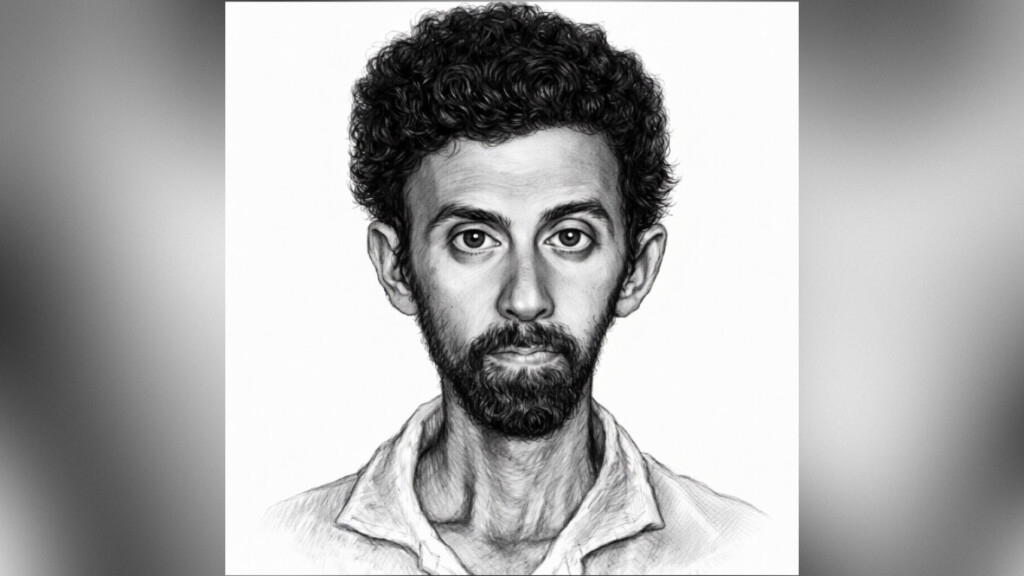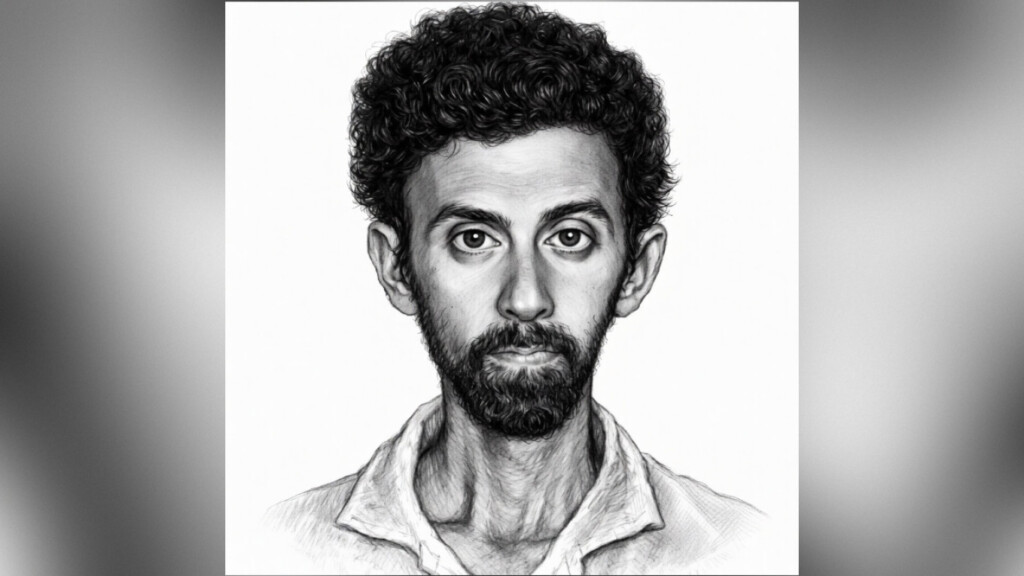
Silently and unnoticed, a man disappeared into a tragic chapter of history—journalist, writer, and dreamer Shahid Saber. His life reads like an unfinished story—one filled with struggle, creativity, and a deeply painful ending.
Shahid Saber’s real name was AKM Shahidullah. He was born on 18 December 1930 in Eidgaon village of Cox’s Bazar district. From early childhood, he showed strong academic promise and a deep inclination towards culture and literature. He began his primary education at Eidgaon Primary School and later enrolled at Hare School in Kolkata, where his father was posted. After the Partition, he returned home and passed his matriculation from Chittagong Collegiate School in 1949.
From his teenage years, he developed a profound passion for literature and culture. In Kolkata’s Park Circus area, he worked as a librarian for the “Chhotoder Asor” children’s organisation and edited a wall magazine titled Chhondoshikha. Later, in Chittagong, he became involved with the “Mukul Fouj” movement, dedicating himself not only to cultural activities but also to social awareness and reform.
During his college years, he became involved in progressive politics. In 1950, he was arrested as part of the repression by the Pakistani ruling authorities. Prison itself became his classroom—he passed his Intermediate examination in 1951 from Rajshahi Central Jail. After four years of imprisonment, he was released in 1954.
After completing his education, he graduated with a BA from Jagannath College in 1955. He began his career as a teacher, but soon joined the newspaper Dainik Sangbad as an assistant editor. Despite his talent and success, even topping the Federal Information Service examination, he was denied government employment due to his political background—another painful reality of his life.
In late 1958, darkness fell over his life—he was struck by mental illness and never fully recovered thereafter.
Yet his literary works remain—Another World, written in prison; the short story collection A Piece of Cloud; children’s work The Adventure of the Little Detective; and translations such as Iskabaner Bibi, The Diary of a Madman, and The Dream of the Black Girl. His writing reflects a sensitive mind and a uniquely perceptive artistic vision.
During the turbulent days of the Bangladesh Liberation War in 1971, on the morning of 31 March, Pakistani forces set fire to the office of Dainik Sangbad. Shahid Saber tragically lost his life in that fire. Quietly and alone, his journey came to an end—like a silent tragedy mirroring his own life.
Shahid Saber—a name we rarely speak, a life we have not remembered enough. Yet his sacrifice and his sorrow-filled existence are part of our shared history.
Today, this is our tribute to him—
a small attempt to bring him back into the light of memory, piercing through the darkness of forgetting.
Deep respect.